Porphyria Voices shares experiences, insights, and advice from the porphyria community. Discover valuable knowledge, foster connections, and join us in raising awareness to empower and unite our porphyria family.
Written by Kalyn Shelton
Curated by Katrina Parra
Sleigh bells ringing, hot chocolate brewing, and cookies browning in the oven to bring in Christmas day. Although not everyone celebrates Christmas in particular, the last couple of months out of the year typically include several opportunities for celebrating. While each family has their own traditions during the holidays, it is most common for people to gather with one another, eat, and celebrate the reason for the season. As we all know, despite the joy that comes with this time of year, it is quite exhausting partaking in celebrations, let alone celebrating while fighting a porphyria attack.
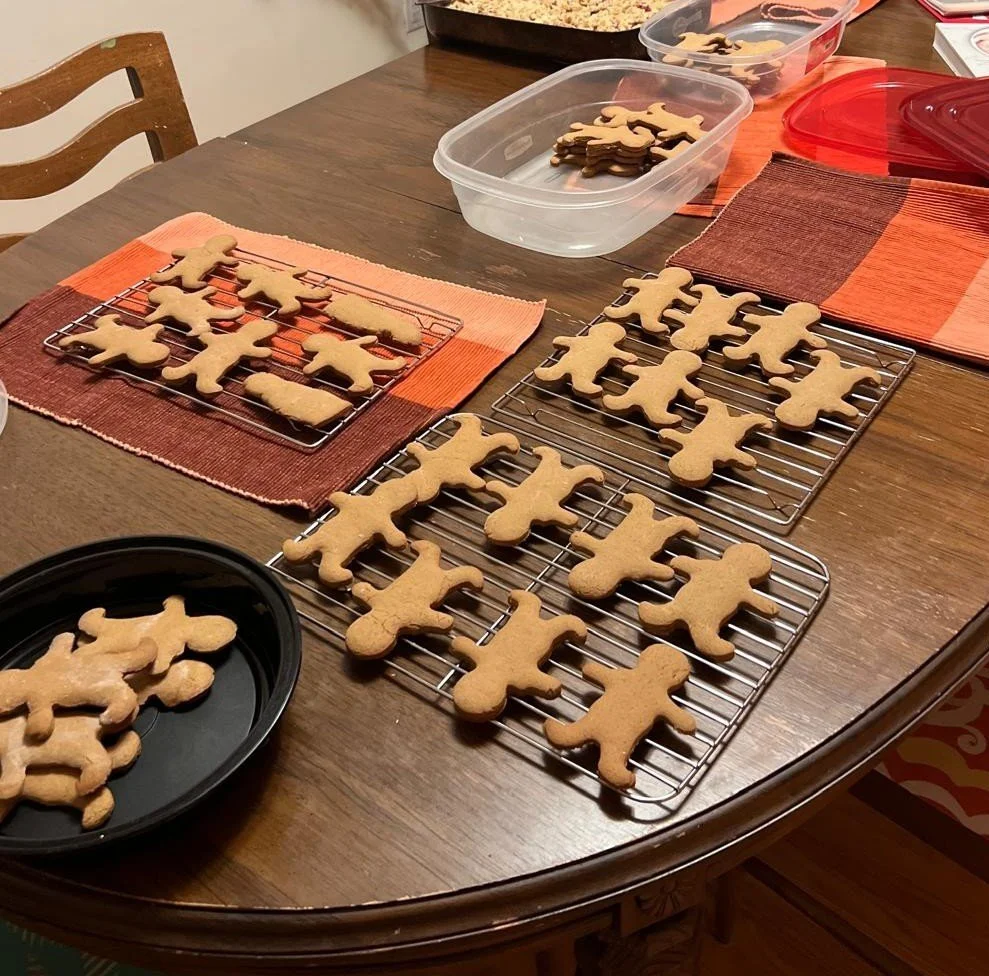
“I enjoy cooking, making presents, and spending time with family; however, I am no longer able to find pleasure through all of the pain.”
-Kalyn, AIP patient.
It is a difficult task for me to live with AIP, especially during the holidays. I enjoy cooking, making presents, and spending time with family; however, I am no longer able to find pleasure through all of the pain. Over the past few years, just showing up has been exhausting.
I find it very difficult to cook due to not being able to stand for more than 10 minutes without severe pain in my legs and back. The pain usually feels like a cramping, burning, throbbing sensation that radiates from my lower back to the bottom of my feet. If I'm moving around, it's not as painful at that moment; however, the pain catches up to me once I sit down.
I have always been creative, and enjoyed making things, especially presents. While the presents are typically cheap and easy to make, such as sugar scrub, knitted loofahs, and photo collages, I am finding it harder each year to continue with my tradition. It has become quite difficult for me to follow through with what I start due to fatigue, discomfort, sudden lack of interest, and frustration.
Although not everyone has the opportunity to spend the holidays with others such as friends and family, it is a vital part of what Thanksgiving and Christmas mean to me. I am unfortunately reaching the point where it is becoming more difficult than it is enjoyable. The cold weather makes me hurt due to the feeling of the cold air touching my bones. Despite the fact that I really enjoy spending time with other people, I suffer from mood swings that started at the onset of my AIP attacks which causes me to become overwhelmed over minor situations and noises.
Due to being easily fatigued, I'm not much company as I have to sit down and rest a lot. I also become distant and quiet when I get tired or don't feel good.
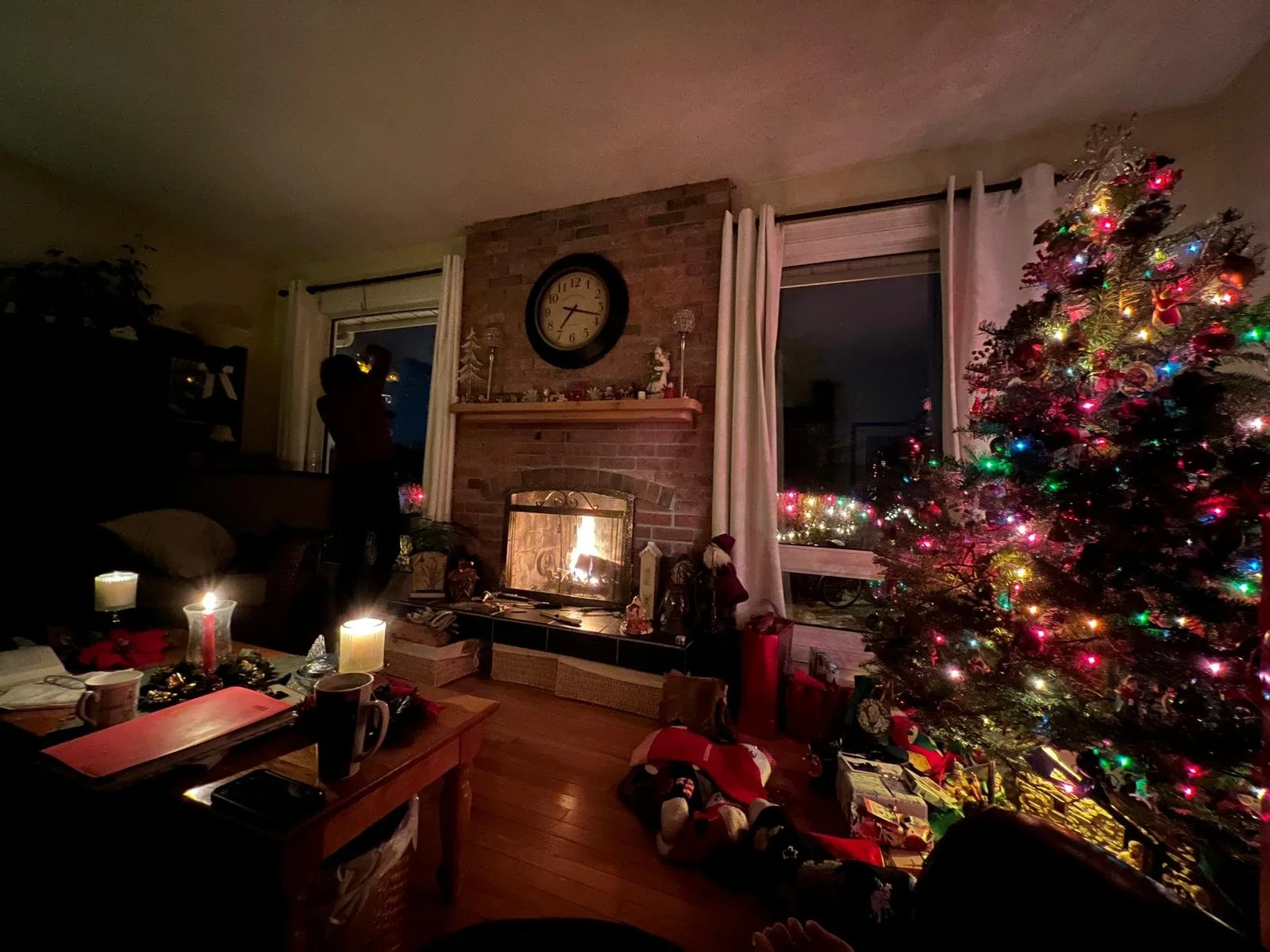
Aside from the extensive complaints that I listed above, the holidays are not ruined. Just like any other day that goes by while living with AIP, I have had to learn to find the good in a really bad situation. I cannot change the fact that I have AIP; however, I can eliminate a significant amount of triggers that worsen the attack and I can also change the way that I view my disorder.
Considering that daily tasks such as cooking and cleaning have to be completed, I have learned some small tricks that allow me to manage my AIP a little better than before. Along with several, yet minor, lifestyle changes, I have been able to manage my AIP enough to prevent severe attacks like I have had in the past.
Although I have not found a cure for my pain (or porphyria symptoms in general), learning to take it easy and not to push myself has been the most help for my chronic pain. I have realized that staying hydrated and snacking throughout the day, along with regular meals, gives me some energy to keep going. I definitely have to take frequent breaks; however, drinking 100% juice with zero added sugars and eating snacks that are high in protein help keep my sugar levels stable allowing me to get a little more accomplished.

“I hope that you and your loved ones have a peaceful and joyful holiday season with as few bad days as possible.”
While I am still learning coping mechanisms for my mood swings, regular counseling along with breathing techniques have offered a significant benefit. It is important to know that AIP affects a person's nervous system; therefore, any help we can provide our body goes a long way.
During a therapy session I learned that square breathing is a beneficial tool that helps activate your nervous system. For a successful square breath, start by exhaling through your mouth for 4 seconds. This allows all of your bad air to escape, making room for good air to come in. Inhale through your nose for 4 seconds. Hold your breath for 4 seconds. Exhale through your mouth. Allow yourself to make an audible sound as you breathe out. Do this as many times as needed until you feel a sense of relief.
While I wish that no one has to suffer during the holidays, especially with AIP, that is not always possible. That being said, I hope that you and your loved ones have a peaceful and joyful holiday season with as few bad days as possible.
For more information on acute intermittent porphyria and managing symptoms, visit Porphyria.org or contact us at info@porphyria.org. We are here to support you in your journey.
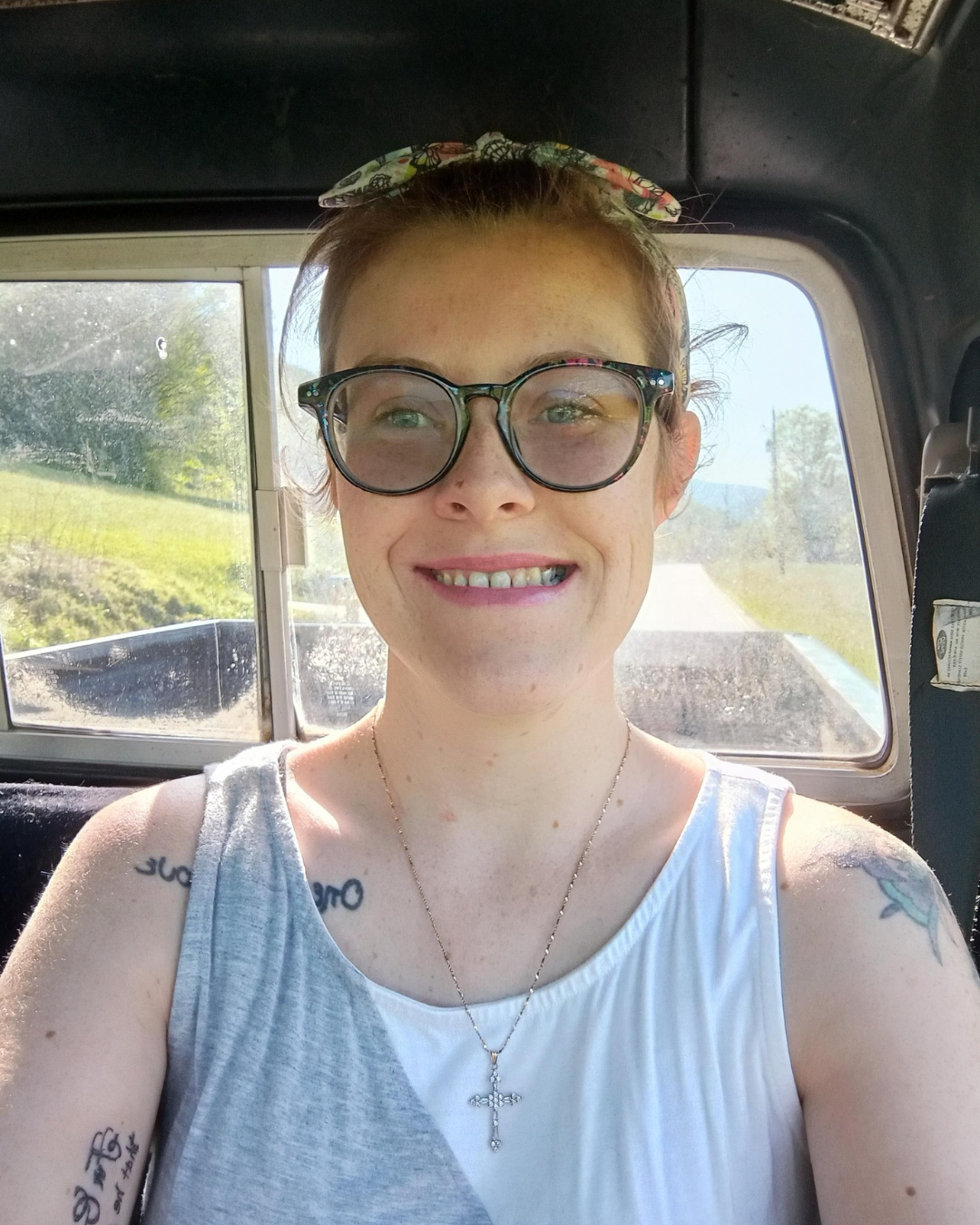
Kalyn Shelton is a patient living with Acute Intermittent Porphyria (AIP) and a proud UPA Ambassador. Based in North Carolina, Kalyn was diagnosed at a young age due to a family history of porphyria. Through her writing and advocacy, Kalyn is passionate about raising awareness, supporting fellow patients, and helping healthcare professionals better understand all forms of porphyria. She is also the author of the book I’m Not Always Me, where she shares her lived experience with porphyria and the realities of life with a rare disease.
Have knowledge or experiences to share with Porphyria Voices?
Reach out and pitch your idea—we’d love to feature your unique perspective!
More Porphyria Voices