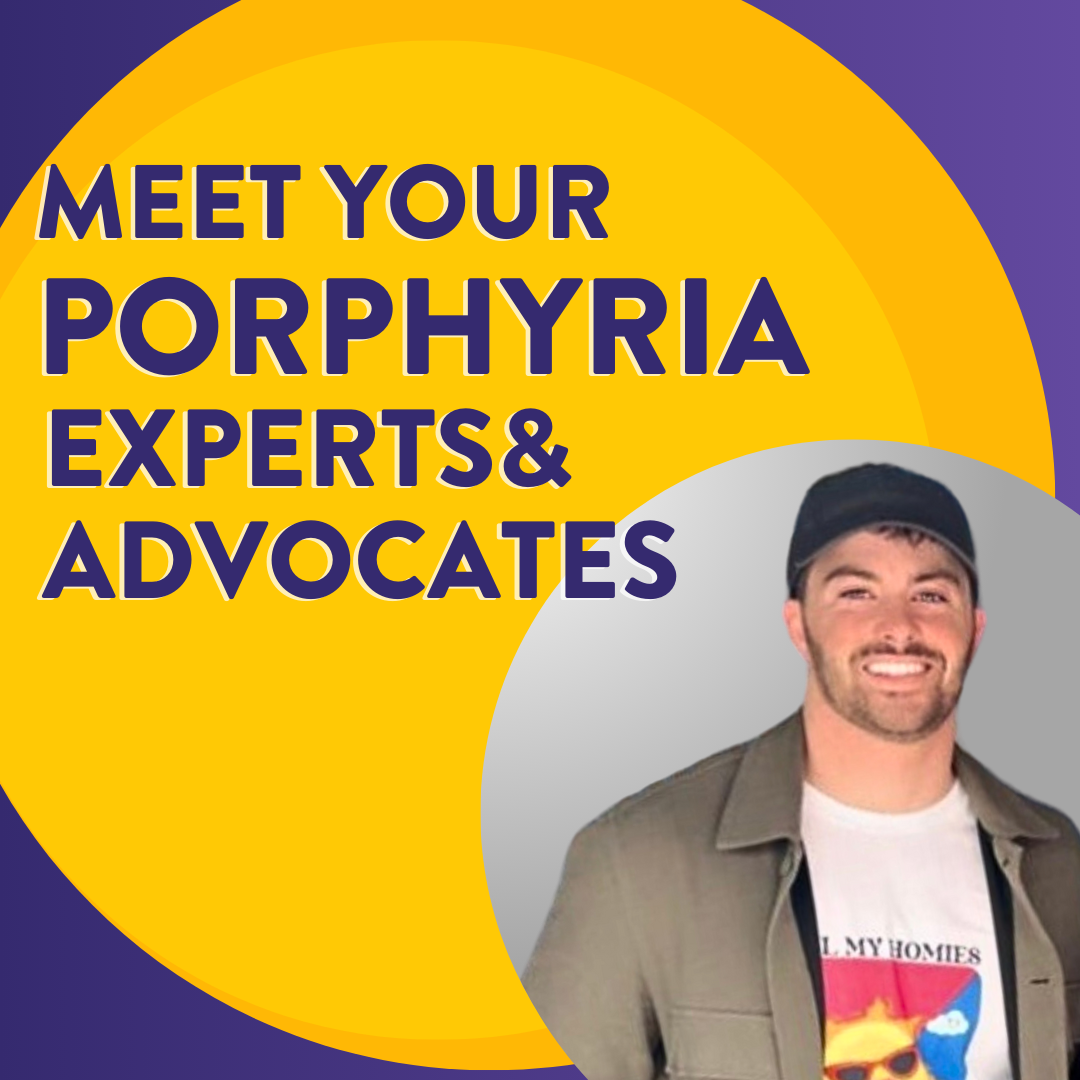
In recognition of Rare Disease Week, we are sharing the story of Nate, our Patient Advocacy Operations Coordinator at the United Porphyrias Association, whose own rare disease journey shapes and strengthens the work he does every day to support patients and families.
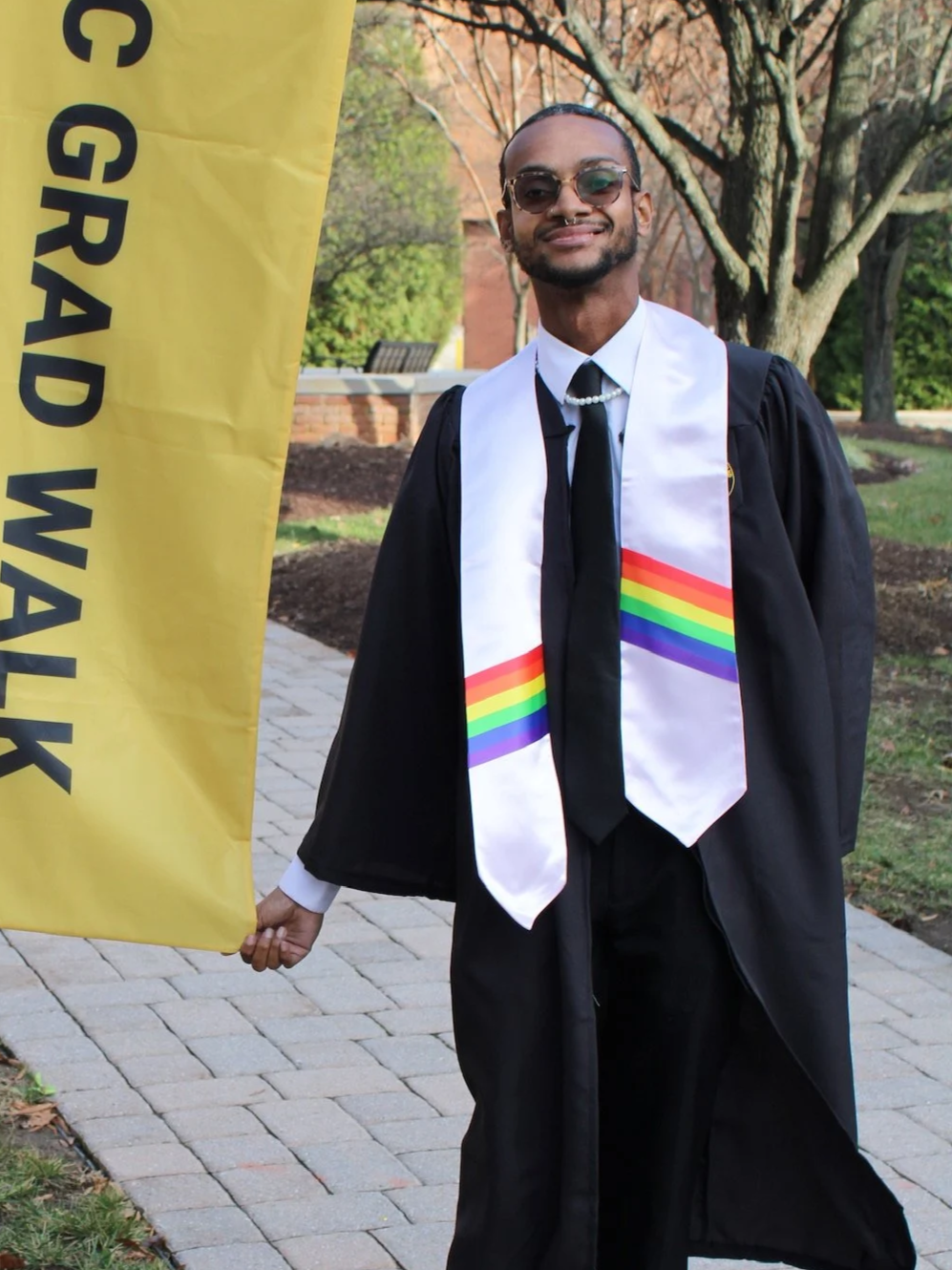
"I was misdiagnosed with Crohn’s disease for a total of three times"
-Nate, HLH patient.
For over a decade, I lived under the wrong diagnosis, navigating treatments for a disease I didn’t have. I was misdiagnosed with Crohn’s disease for a total of three times (at Children’s National Medical Center, the Children’s Hospital of Philadelphia, and Johns Hopkins).
It wasn’t until I lay septic in the Johns Hopkins PICU that the truth emerged: I had Hemophagocytic Lymphohistiocytosis (HLH), a life-threatening immune disorder caused by a mutation in my XIAP gene at birth. A bone marrow transplant saved my life and ultimately gave me a chance to better the landscape for other patients.
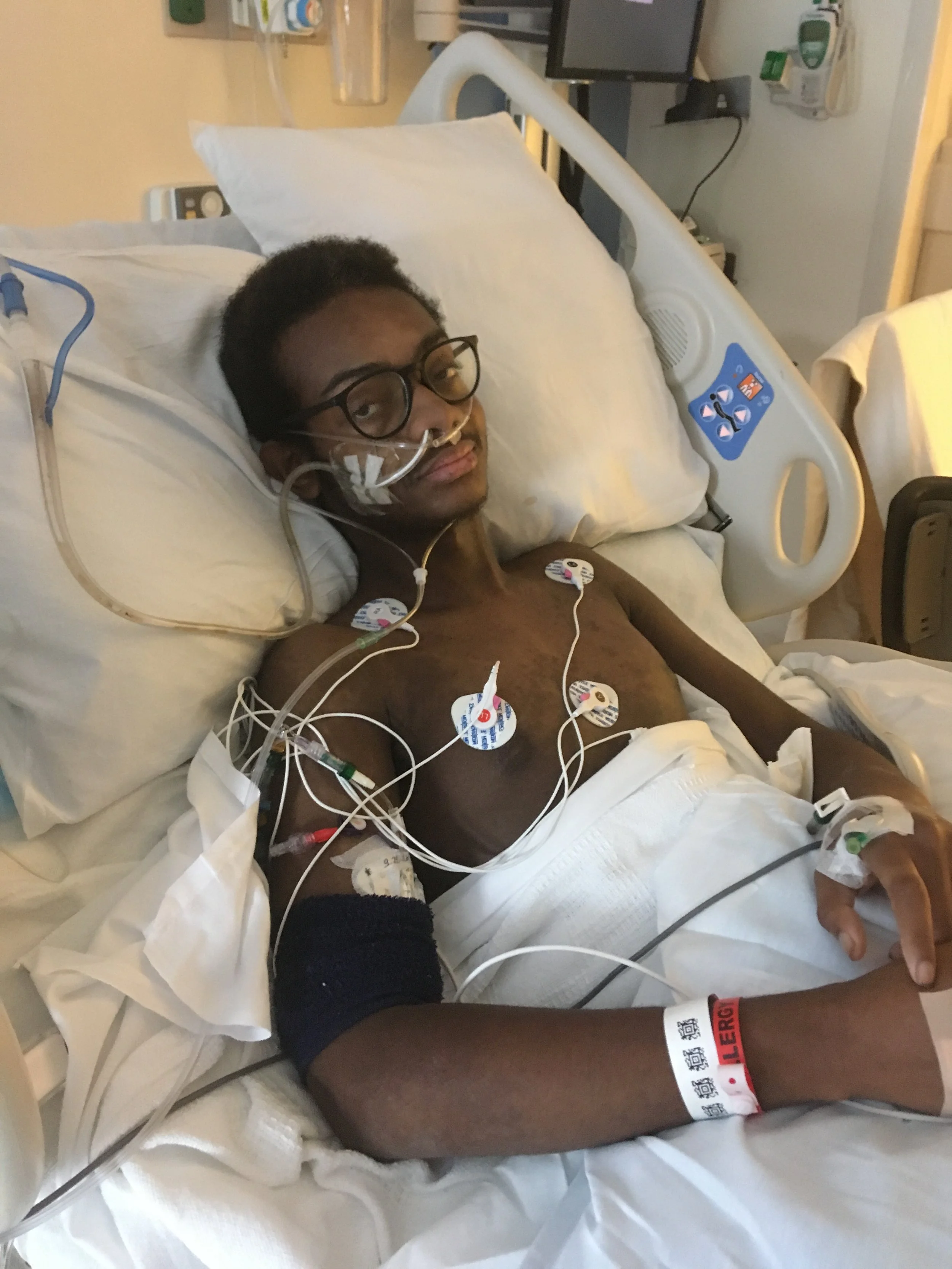
“For over a decade, I underwent 16 surgeries, including 13 in a span of 14 years, ultimately leading to the complete removal of my colon and a permanent ileostomy. ”
-Nate, HLH patient.
After a couple years of severe abdominal pain, weight loss, and weakness, at seven years old I was diagnosed with Crohn’s disease, a label that followed me for 12 years and shaped every aspect of my medical journey. For over a decade, I underwent 16 surgeries, including 13 in a span of 14 years, ultimately leading to the complete removal of my colon and a permanent ileostomy. Each procedure was an attempt to treat a disease I didn’t have.
At 19, my body could take no more. Following a bowel obstruction revision surgery, I developed an infection that left me septic in the pediatric ICU, my organs failing and my liver shutting down. It was only then that genetic testing revealed the truth: Hemophagocytic Lymphohistiocytosis (HLH), a rare immune disorder caused by a mutation in my XIAP (X-linked inhibitor of apoptosis) gene at birth. With the right diagnosis finally in hand, my care team devised a treatment plan to save my life: first controlling my infection, then chemotherapy to wipe out my dysfunctional white blood cells, and finally, a bone marrow transplant. That transplant was a second chance, and I used that fresh start to step into the world of rare disease advocacy, determined to ensure no one else has to endure what I did.
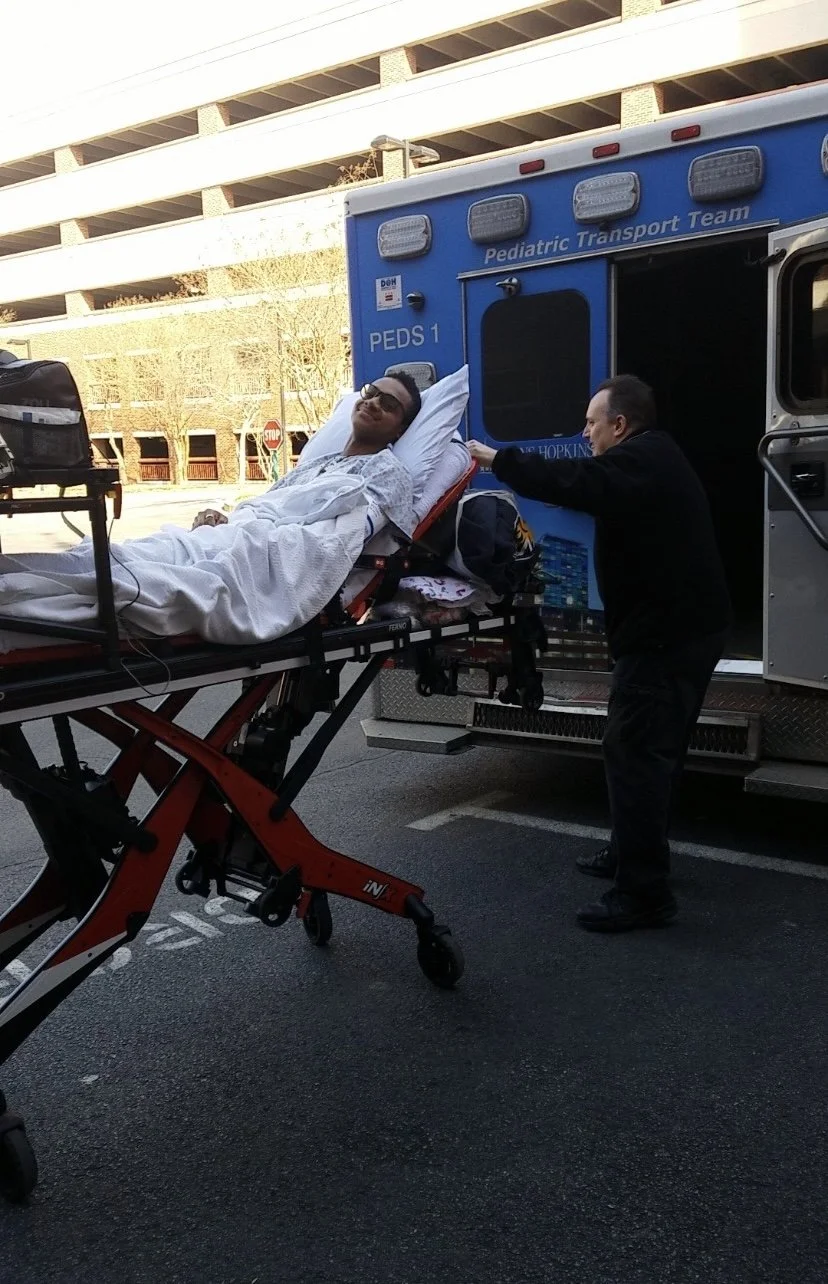
Nate being transported to the hospital during a medical emergency.
HLH Explained
Hemophagocytic Lymphohistiocytosis (HLH) is a severe, life-threatening inflammatory condition in which the immune system becomes overactive in response to infectious triggers and attacks the body’s own organs. Instead of properly regulating itself, the immune system releases excessive inflammatory molecules (cytokines), leading to uncontrolled inflammation and organ damage. Estimated occurrence of 1 in 50,000 births.
Two Main Types of HLH
Primary (Familial) HLH– Caused by inherited genetic mutations affecting immune regulation.
Secondary (Acquired) HLH – Triggered by infections, autoimmune diseases, or cancers, with no known genetic cause. My HLH was caused by a mutation in the XIAP gene, a critical regulator of immune system balance.
How My Diagnosis Was Identified
Symptoms of HLH mimic many other conditions, making diagnosis difficult. After 12 years of misdiagnosis, genetic testing confirmed that my HLH was caused by a de novo XIAP mutation, NOT triggered by an infection OR secondary condition.
Treatment
Treatment options include:
Immunosuppressive therapy – To help control inflammation and prevent HLH episodes.
Bone marrow/stem cell transplant – The only curative option for me, replacing my faulty immune system with a healthy one.
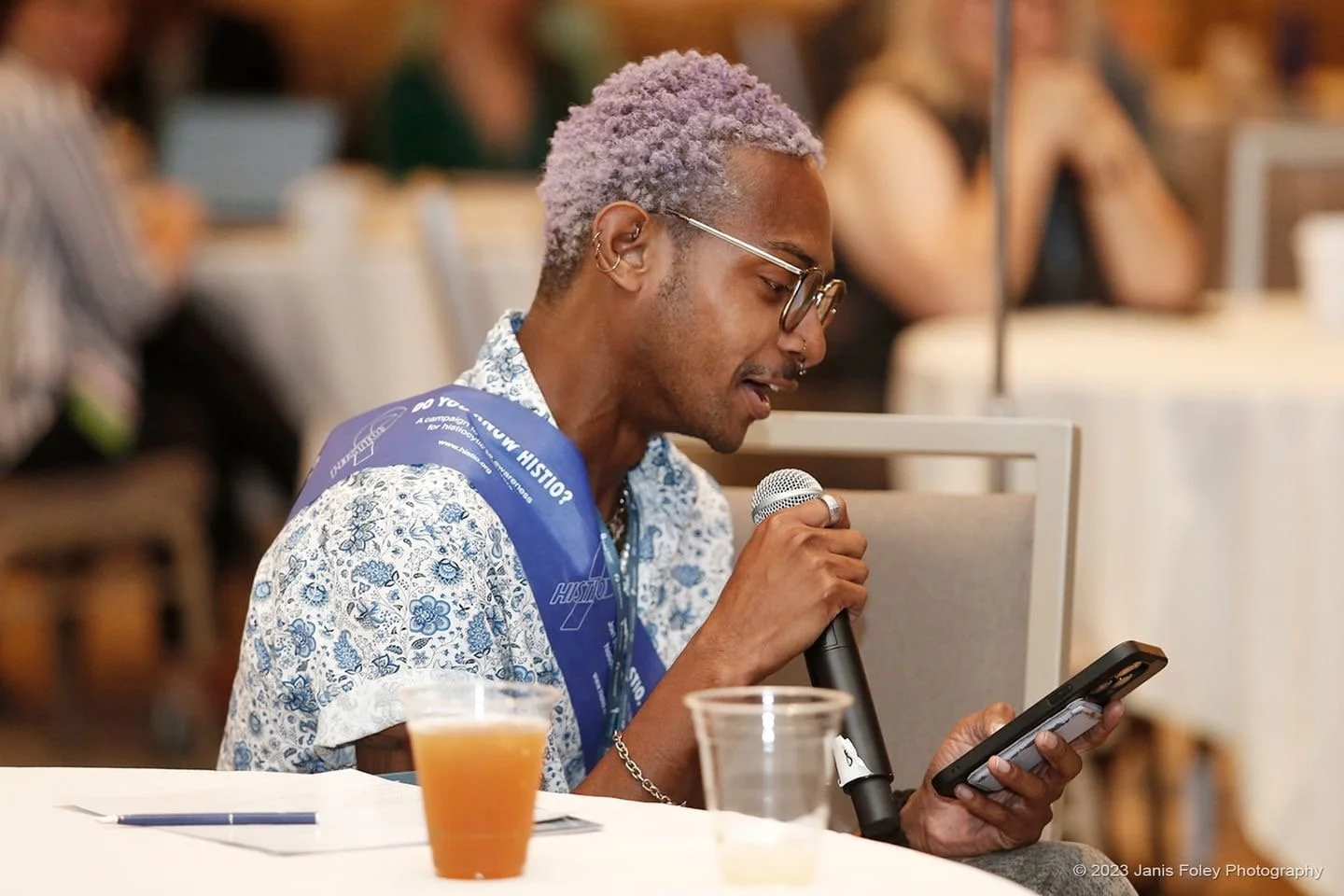
Nate sharing his rare disease journey during a patient advocacy event.
Journey Into Advocacy
Advocacy is about driving real change in research, policy, and patient care. My journey into advocacy began when I helped bring Seacrest Studios to Children’s National Medical Center in Washington, DC—my first experience witnessing how my voice could make a meaningful impact beyond myself. That moment solidified what I now know to be true: lived experience is powerful, and no one understands a patient’s journey better than the patient themselves. Since then, I have taken my experiences beyond the hospital walls to places where change is made.
As an advocate with the EveryLife Foundation for Rare Diseases, I have participated in multiple Capitol Hill Days, pushing for critical legislative initiatives like H.R. 4758/S. 2372- Accelerating Access to Kids’ Act and the Pediatric Priority Review Voucher Program (H.R.1262-Give Kids A Chance Act of 2025). I have seen firsthand how storytelling, when combined with strategic action, can influence policy that directly impacts the rare disease community. Advocacy extends to research as well.
I had the honor of testifying before the Maryland State Senate on behalf of Johns Hopkins, emphasizing the need for continued funding for stem cell transplantation research and treatment. I was also featured in a Johns Hopkins video on the beneficial impact of Palliative Care, advocating for increased funding to support those specialized professionals who provide essential, patient-centered care. Leadership in Rare Disease Advocacy My journey from patient to advocate has led me to serve in multiple leadership roles, each allowing me to elevate the rare disease community and ensure patient voices are at the forefront of change.
As former Co-Chair of the Patient Advisory Board and an Ambassador for the Histiocytosis Association and North American Consortium for Histiocytosis (NACHO), I work to improve patient access to resources, clinical trials, and awareness initiatives, including co-hosting and producing podcasts and events to amplify our collective experiences. Health equity is also central to my advocacy. As a member of the Patient, Provider, and Caregiver Journey Working Group for the Rare Disease Diversity Coalition (RDDC), I help identify and address disparities in rare disease care, ensuring marginalized communities are not left behind.
On the policy front, I serve as a Young Adult Rare Representative (YARR) for the EveryLife Foundation for Rare Diseases. Through this role, I have advocated on Capitol Hill, mentored young adults looking to make a difference, and co-emceed the 2024 RareVoice Awards, honoring and celebrating the efforts of rare disease champions. I have also worked internationally as a Trusts and Foundations Volunteer for Beacon for Rare Diseases, based out of the United Kingdom. I helped to secure funding for rare disease training initiatives.
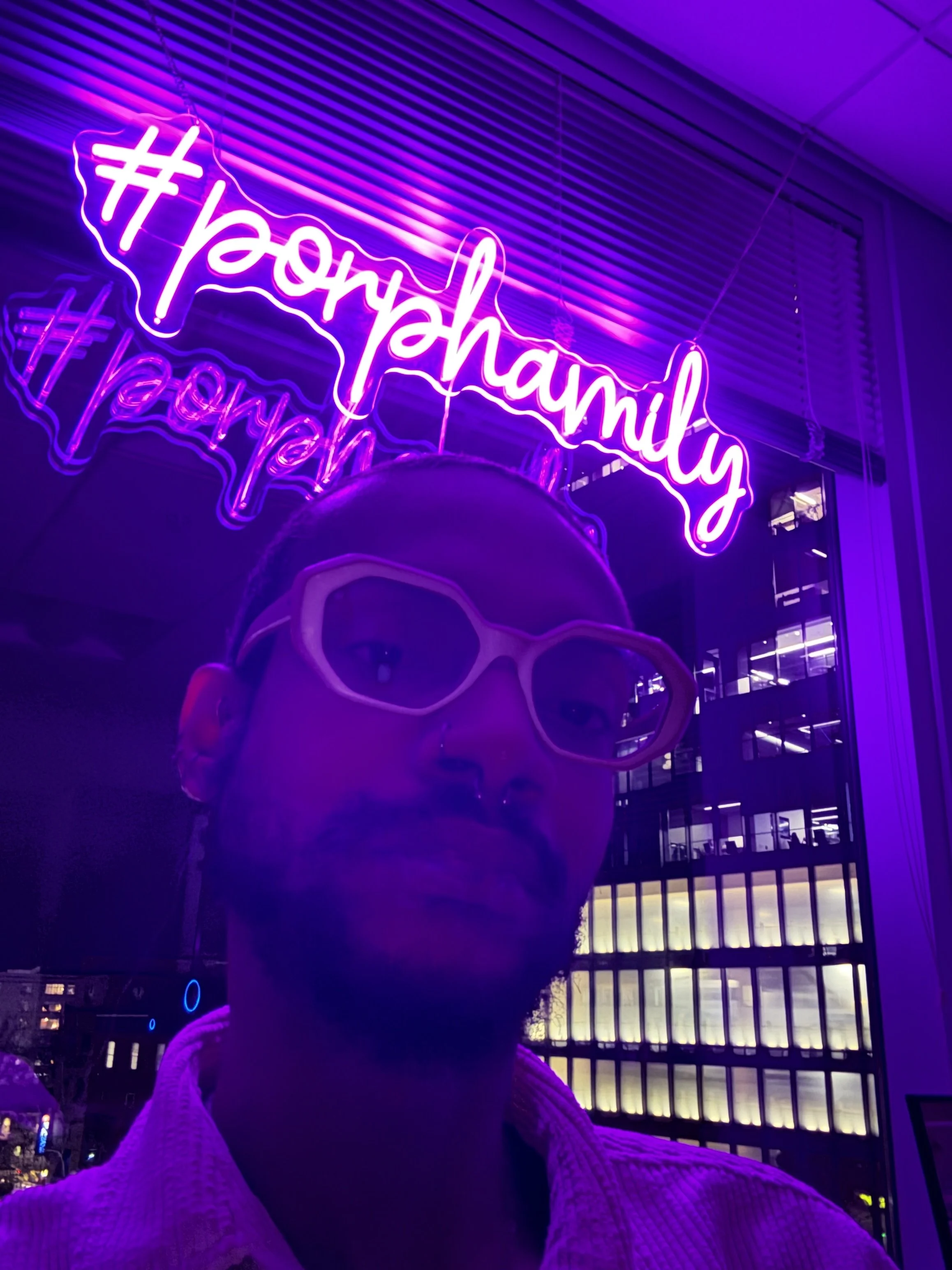
Nate in UPA’s offices, working as a Patient Advocacy Operations Coordinator.
Rare Disease Disparities Related to HLH
Studies show that Black patients are less likely to have their pain accurately assessed and treated. Throughout my 12-year misdiagnosis with Crohn’s disease, my severe pain and symptoms were often minimized, leading to multiple unnecessary surgeries instead of genetic testing that could have revealed HLH sooner. A stark example of inequity exists within bone marrow transplantation, my only cure for HLH. African Americans have a 29% chance of finding a successful match in the national donor registry, which is the lowest of any ethnic group. This crisis highlights the urgent need for greater donor diversity, increased awareness, and policy-driven solutions to close this gap.
“What I really love about advocacy is that anyone can do it.”
Today, I continue my advocacy work as the Patient Advocacy Operations Coordinator at the United Porphyrias Association, where I bring my lived experience, policy expertise, and passion for rare disease equity to support patients and families navigating complex diagnoses.
Nate’s inspiring story.
Meet more of the porphyria experts and advocates changing the world for porphyria