“It’s Not About Fitting In, It’s About Not Standing Out”: Growing Up With EPP

Porphyria Voices shares experiences, insights, and advice from the porphyria community. Discover valuable knowledge, foster connections, and join us in raising awareness to empower and unite our porphyria family.
By Cheyenne
My name is Cheyenne. I was diagnosed with Erythropoietic Protoporphyria (EPP) at age nine and had to go through middle school, and currently high school, with this disease. My hope is that this message reaches concerned parents, friends, and patients themselves so everyone has an understanding of the mental and emotional toll of this disease.
When I was first diagnosed with EPP, I told my close friends only. I was afraid I wouldn’t be believed and, sure enough, when it got out, I wasn’t.
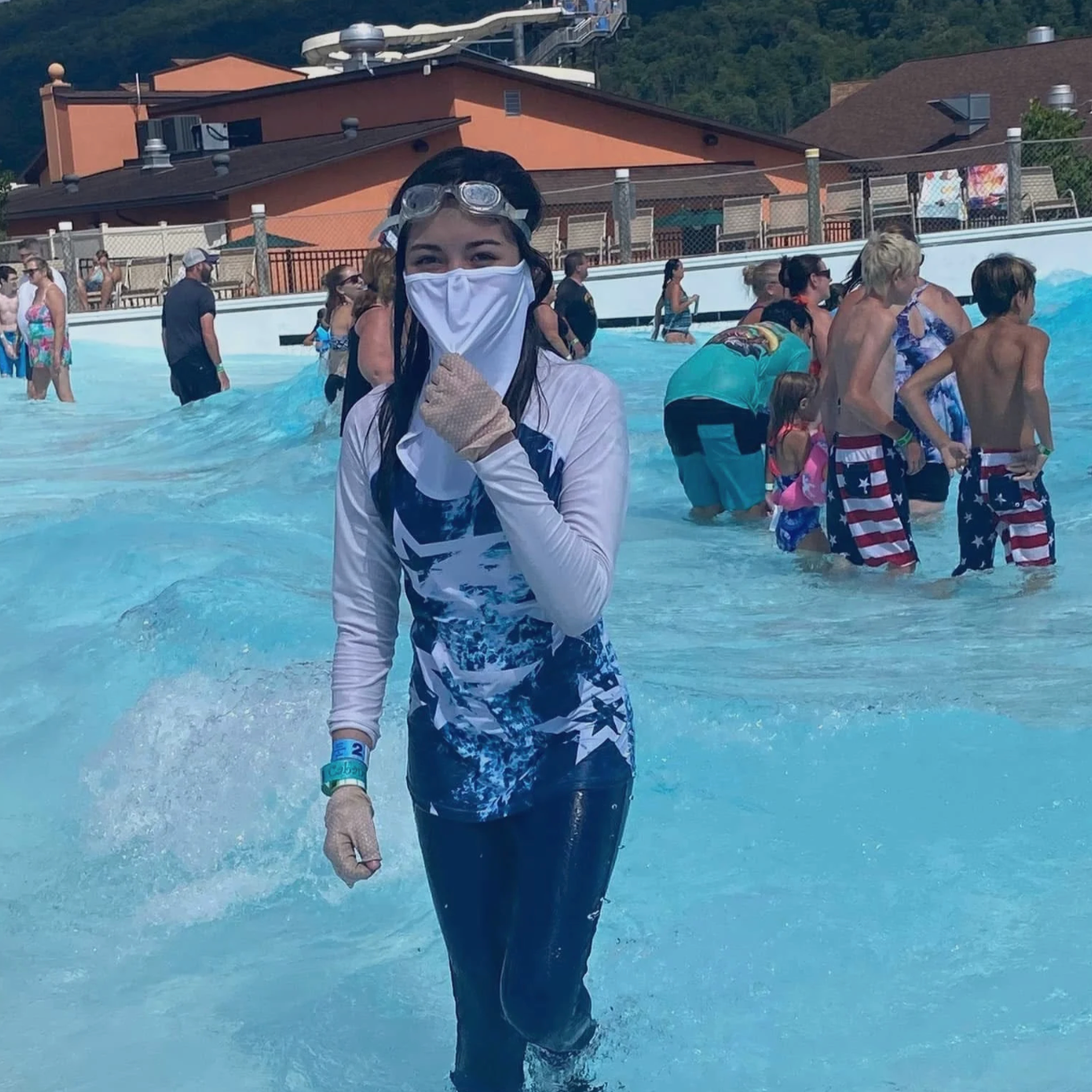
Cheyenne wearing protective gear at the pool.
A specific girl comes to mind. For privacy’s sake, I’ll simply say “Girl.” “Girl” and I were in Girl Scouts together. We were close enough that we could hang out and have fun. However, her family member had lupus, which can cause reactions to the sun.
When “Girl” heard about my claims of a disease, she thought I was using it for attention, trying to make myself more unique. She told everyone I was a liar, and that hurt as a fourth grader with no way to prove my diagnosis. My mom later talked to “Girl’s” mom, and “Girl” apologized.
During my freshman year of high school, I played softball. I love softball, but wearing sun-protective gear in the intense heat during a game wasn’t something I enjoyed. I decided I’d rough it out… a little too much.
Not wearing my gear caused an emotional moment, I had a reaction and attempted going to school. I couldn’t touch anything without extreme pain. My parents were both working, and my grandpa had to put my sister on the bus, so my grandma had to cancel plans to pick me up from school because of my bad choice.
I want to say to any parents reading this that it’s okay. I love my mom, and she really wanted me to be comfortable wearing gear. But wearing it in heat is just as painful as a reaction to me, so it was worth it to not wear it at all.
“It’s not about fitting in, it’s about not standing out.”
Some patients may be comfortable standing out, but like myself, many others may not be.
My mom often worried about the long-term effects of EPP and of me having reactions. She also worried about my “wanting to fit in.” However, what my mom didn’t understand was the key wording to my problems with sun protection: it’s not about fitting in, it’s about not standing out.
I remember sharing this to one of the camp counselors at Sun Escape, and she agreed that this was exactly right.
I wanted to write this so parents, friends, or even patients doubting their own morals like I did know that there’s a difference between wanting to fit inside a box and not wanting to be placed in a shiny one that draws attention.
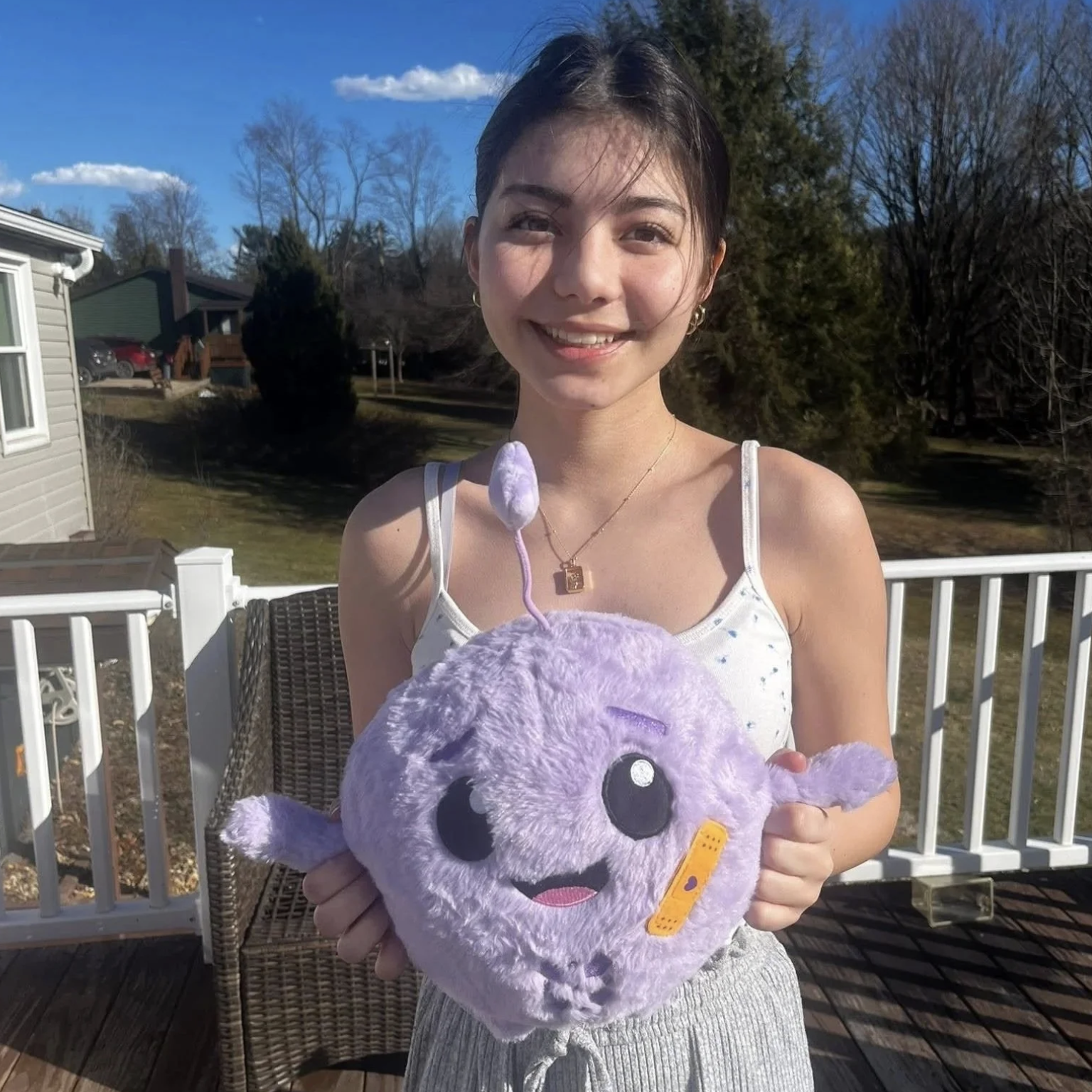
Cheyenne with UPA’s mascot, Porphy.
For any porphyria parent or guardian, or even friend or patient: This disease is hard for those who have it and those around them. But it’s best to allow those with the disease to make the choices their body can handle, even if it hurts seeing someone you love in pain.
What to Do If You’re Being Bullied at School
Living with a rare disease can sometimes make you feel different, especially when classmates don’t understand why you need certain accommodations, clothing, or protection. Being questioned, excluded, teased, or accused of “faking” your condition can be painful, but you shouldn’t have to handle bullying alone.
If you’re experiencing bullying at school:
Tell an adult you trust. This could be a parent, teacher, school counselor, coach, nurse, or another adult who makes you feel safe. If the first person doesn’t help, tell someone else.
Keep a record of what happens. Write down what was said or done, when and where it happened, and who was involved. Save screenshots or messages if the bullying happens online.
Talk to your school about your condition. Sometimes classmates, and even school staff, may not understand EPP or another type of porphyria. Having trusted adults at school who understand your condition can help you feel supported and prevent misunderstandings.
Remember that you don’t owe everyone an explanation. You can choose who you want to tell about your condition and how much you want to share.
Stay connected to people who understand. Talking with other young people living with porphyria can be a reminder that you’re not alone in navigating these experiences.
If you ever feel unsafe, get help immediately. Tell a trusted adult and involve your school so steps can be taken to protect you.
For parents and guardians, listening can be just as important as finding solutions. Ask your child what would make them feel supported rather than assuming what they need. As Cheyenne’s story shows, sometimes the challenge isn’t simply wanting to “fit in”, it’s wanting the freedom not to always stand out.
For more information on erythropoietic protoporphyria and managing symptoms, visit Porphyria.org or contact us at info@porphyria.org. We are here to support you in your journey.
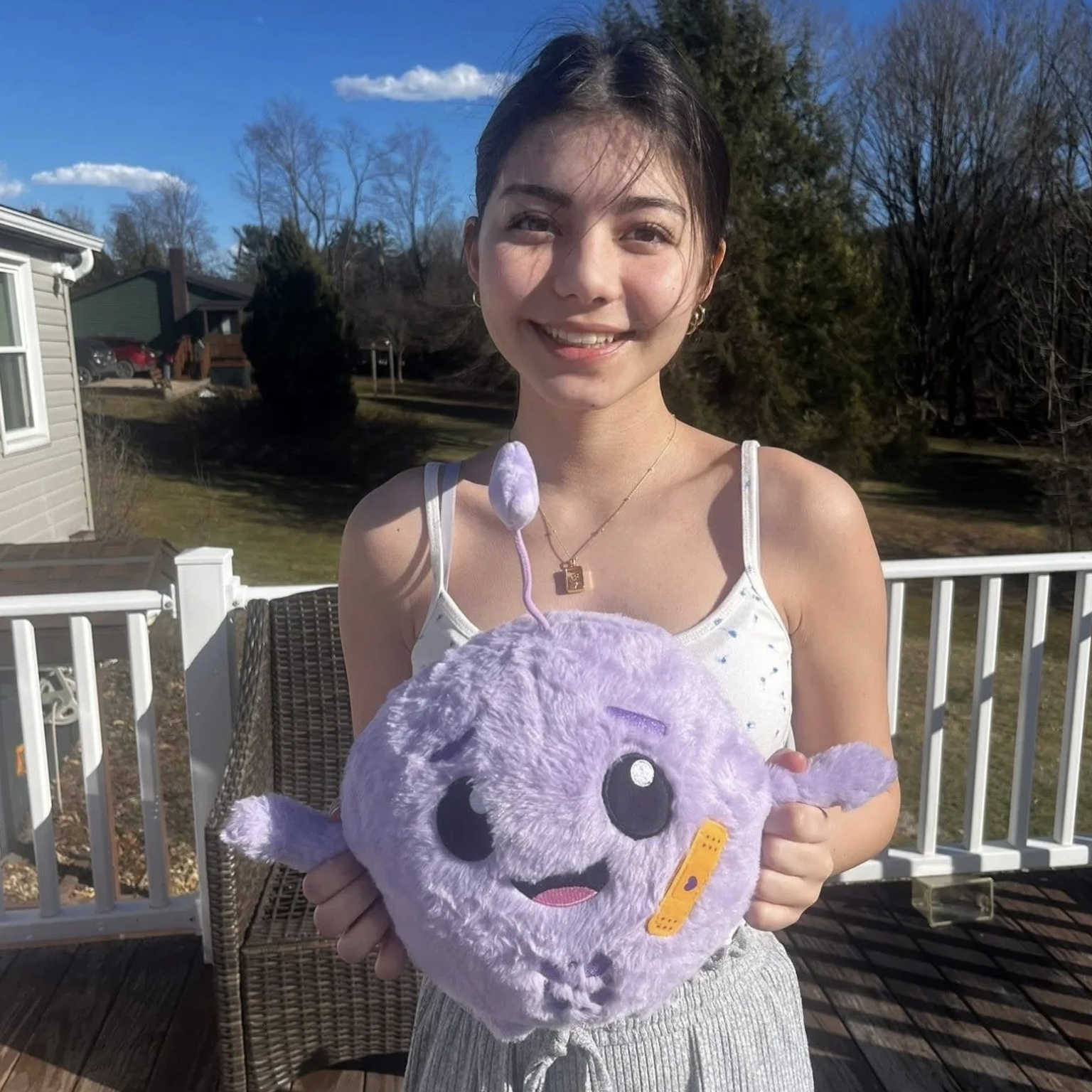
Cheyenne is a UPA Junior Ambassador and an EPP patient who shares her experiences to help others better understand what it’s like to grow up with porphyria. Through her voice, she hopes to support other young patients and remind them that they are not alone.
Have knowledge or experiences to share with Porphyria Voices?
Reach out and pitch your idea—we’d love to feature your unique perspective!
More Porphyria Voices