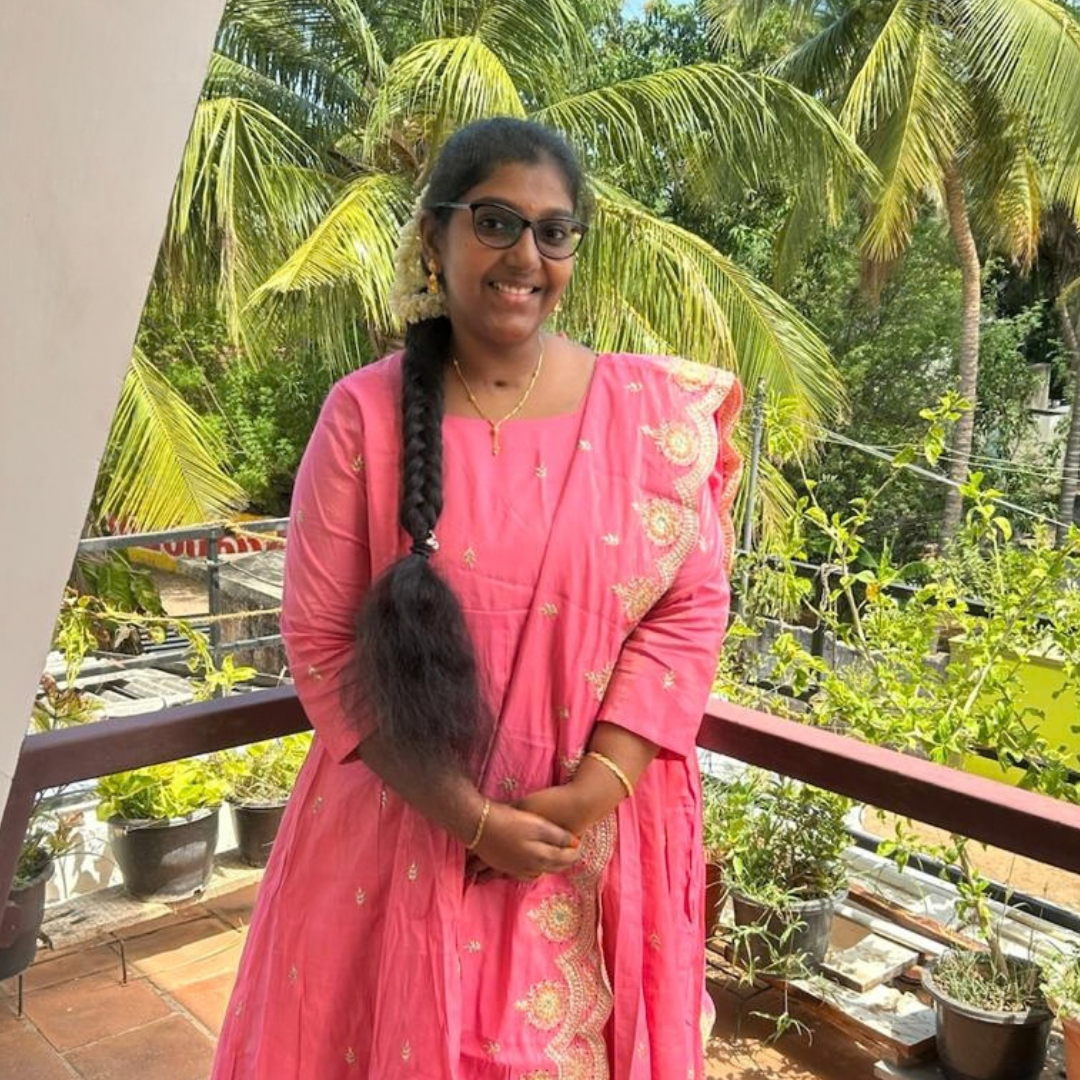
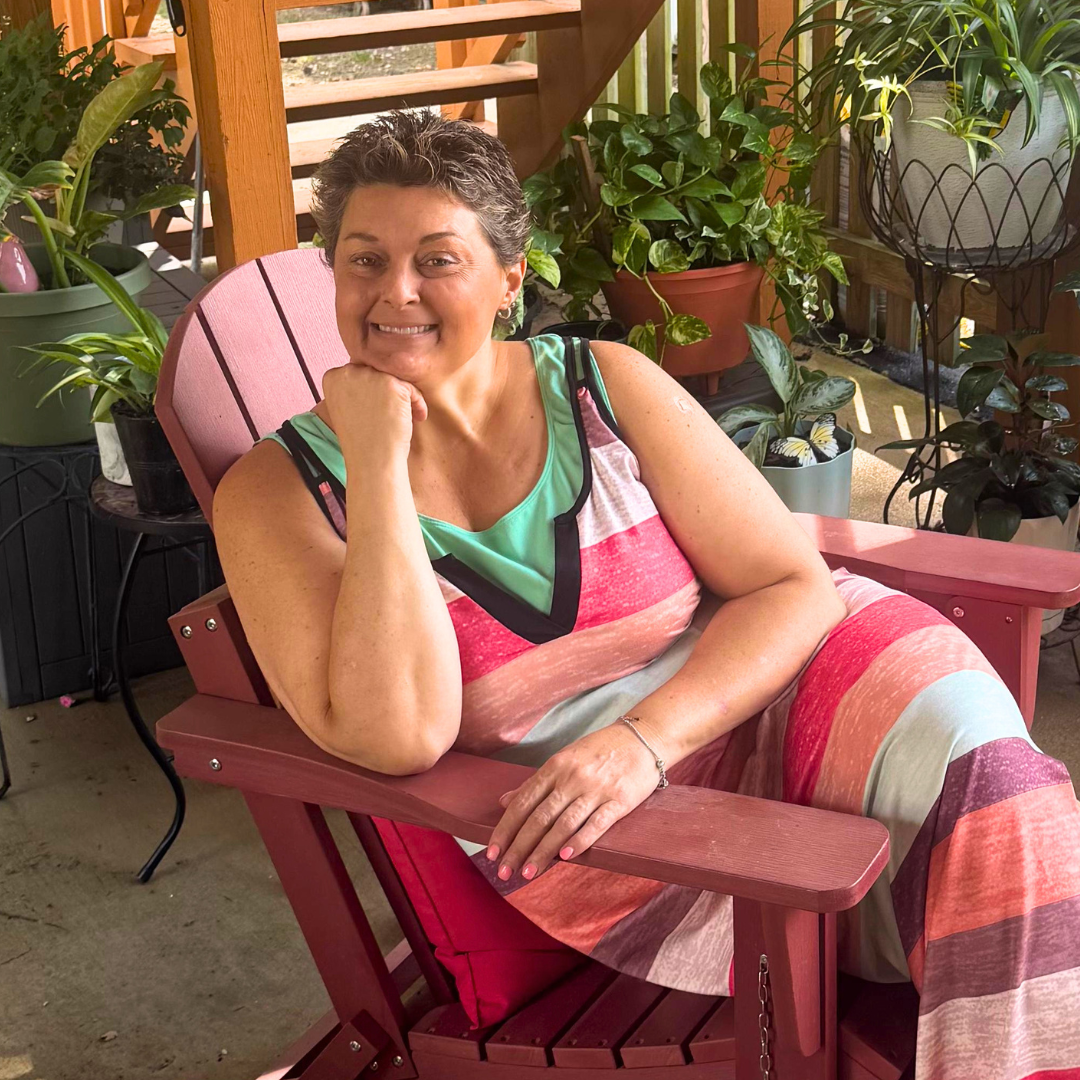
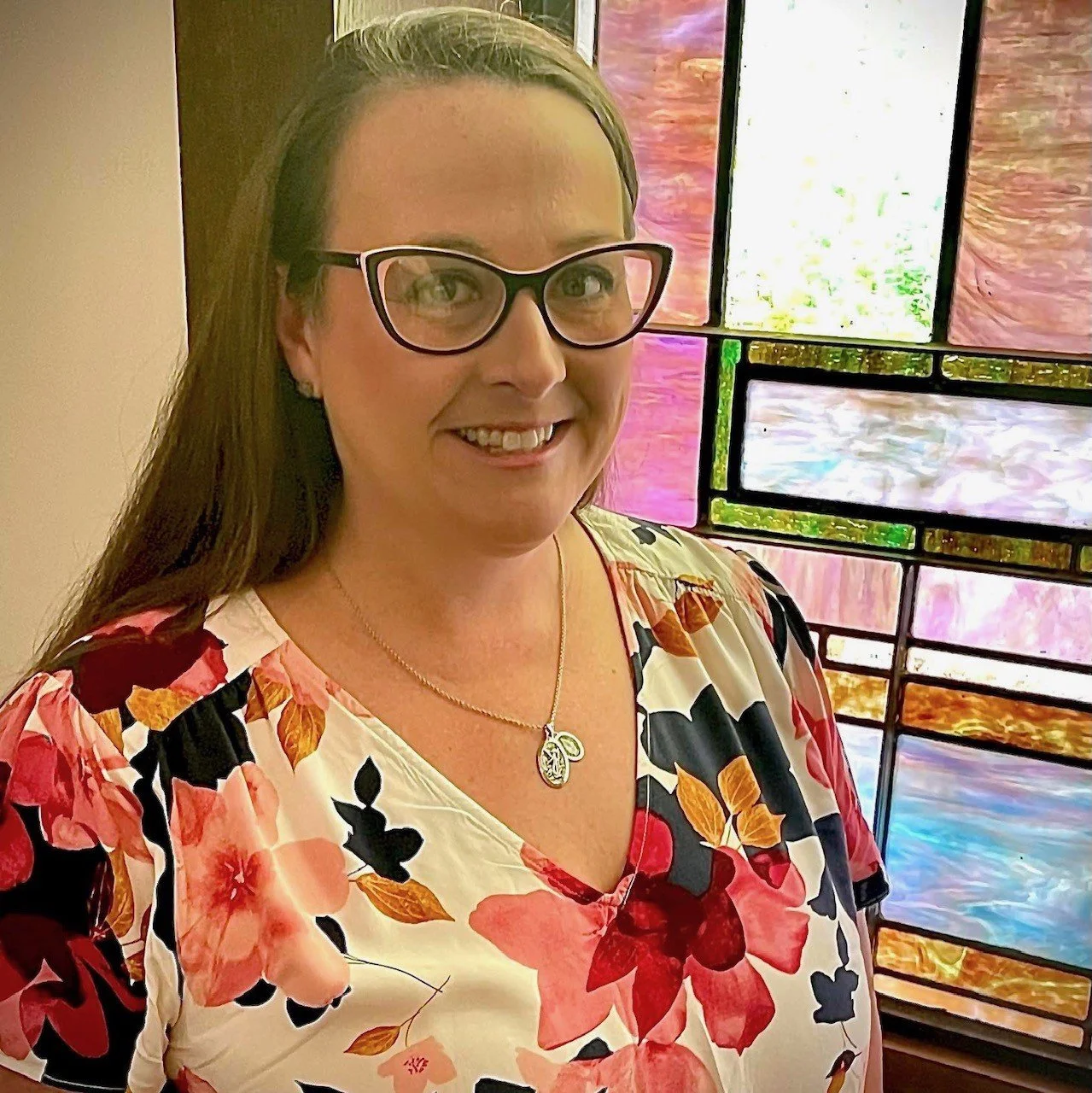
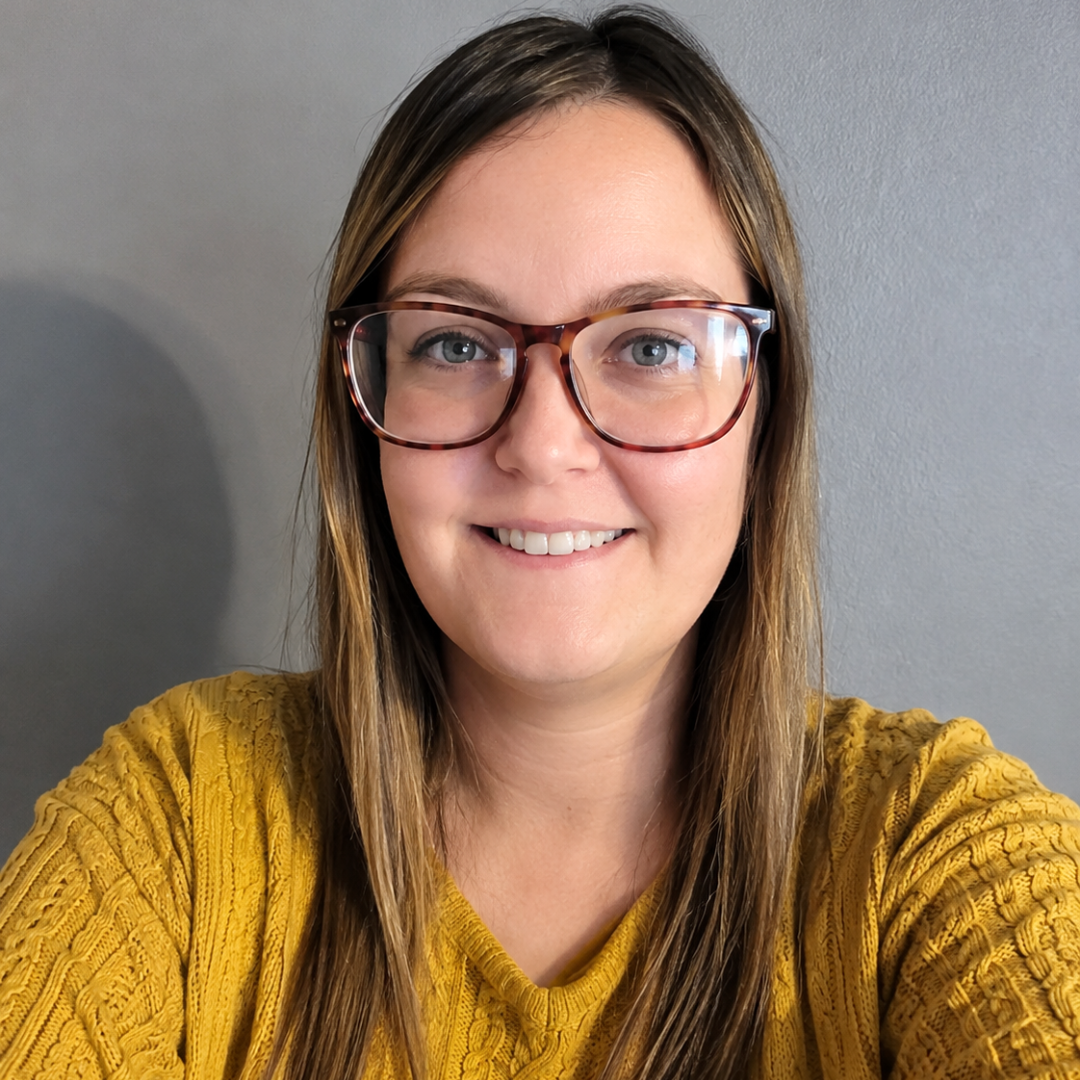
Meet Tabatha, AIP warrior
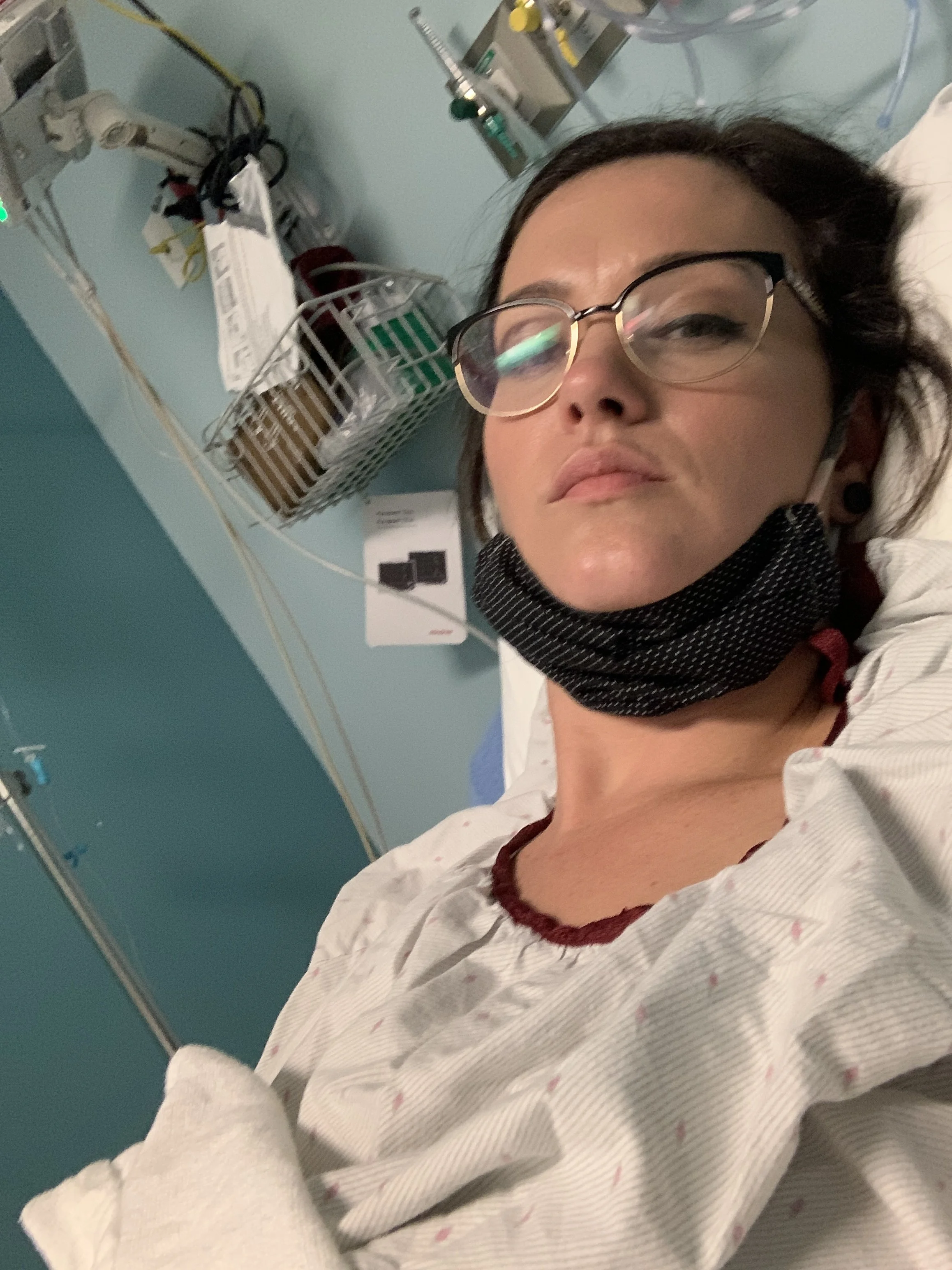
"I went more than two decades thinking it was normal to feel terrible."
-Tabatha, AIP patient.
I went more than two decades thinking it was normal to feel terrible.
I remember asking my mom when I was younger, "Does everyone feel like this all the time?" I was maybe 15. And it was horrible. But because no one ever said otherwise, I just assumed this was how life felt for everybody.
The first time I experienced that severe abdominal pain, I doubled over and couldn't breathe. I was a teenager. Those attacks kept happening at least once a month. They were so painful that I had to stay home from high school. And when I did manage to go to class, I couldn't concentrate. Eventually, I dropped out and got my GED instead.
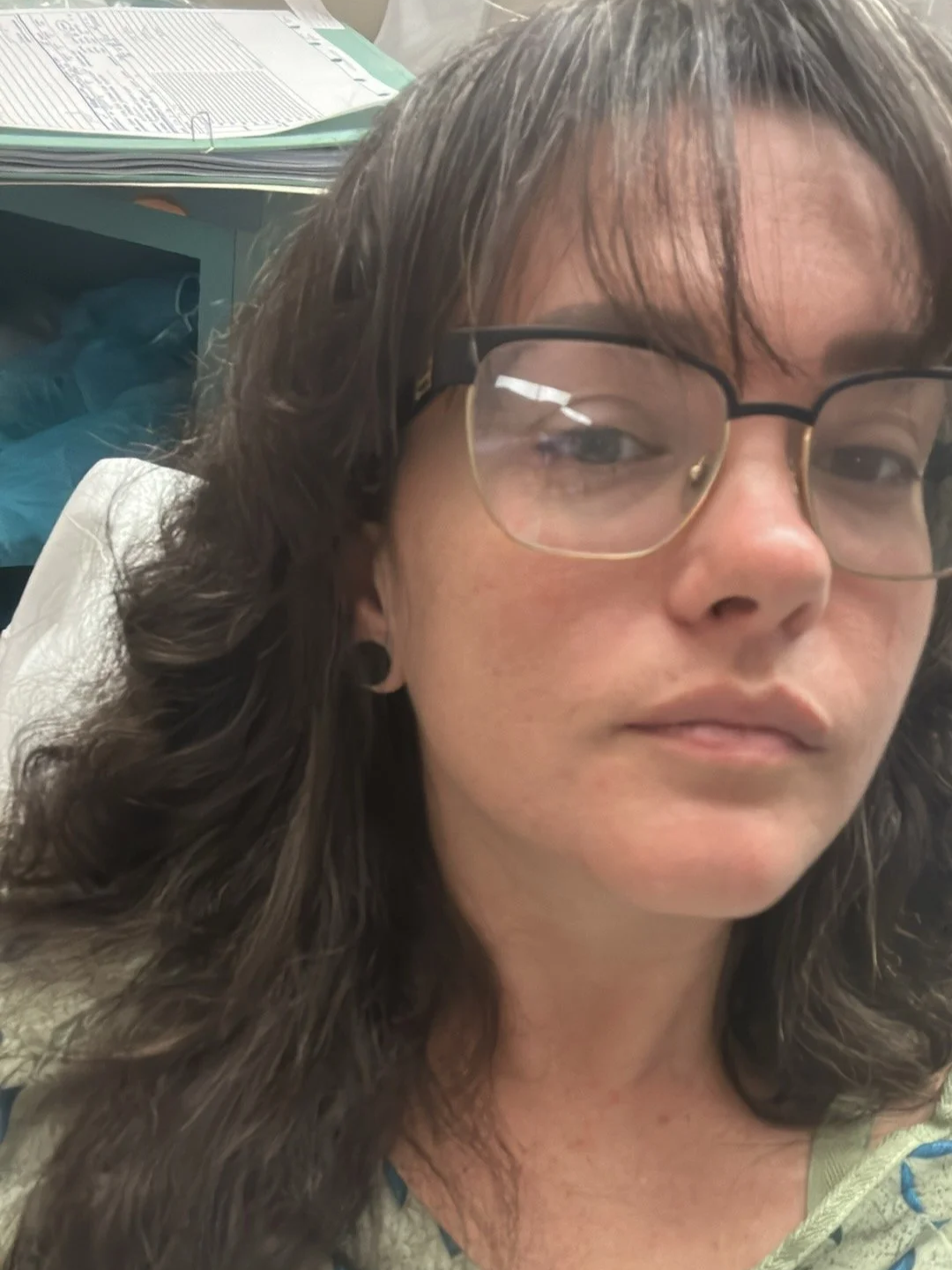
“Doctors couldn't figure it out. Some thought it was my liver. Others said my colon. A few even suggested I had schizophrenia. ”
-Tabatha, AIP patient.
For more than 20 years, I was in and out of emergency rooms because of the pain. But doctors couldn't figure it out. Some thought it was my liver. Others said my colon. A few even suggested I had schizophrenia. And then there were the ones who dismissed me completely – they said I was drug-seeking, that I was trying to trick them into writing me a prescription for pain medication.
That part broke me. Being accused of faking it just to get drugs. It makes you feel like you want to give up. You want help, but none of the medical professionals are helping you. They're just writing you off and ignoring you.
As I got older, my symptoms got worse. The attacks became more frequent. I used to smoke cigarettes even though they made me feel terrible. Having a glass of wine with dinner? That was a huge risk. One glass could lead to me hearing voices and spending the next day sick in bed. A cocktail on vacation or a mimosa at brunch with friends – I never knew if it would trigger an attack the next day.
Even normal adult stress triggered me. My job as an operations manager. Being a mother to five children. All of it could cause debilitating symptoms. And the pain always came with mood swings, irritability, and anxiety.
My husband, Archie, struggled so much watching me go through this. He told me he wished he could take all my pain away himself. He said he would have done it in a heartbeat. But there was nothing he could do.
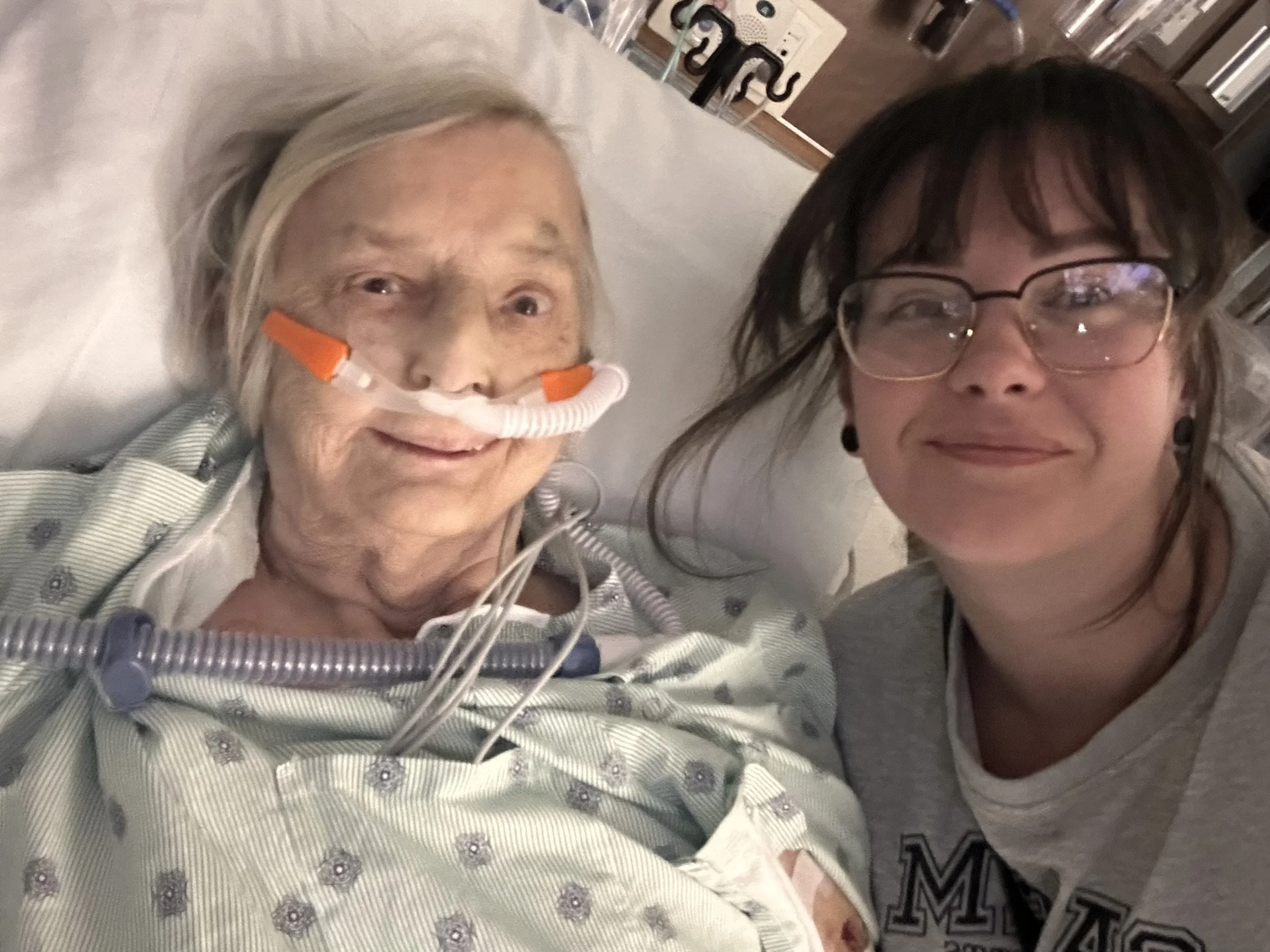
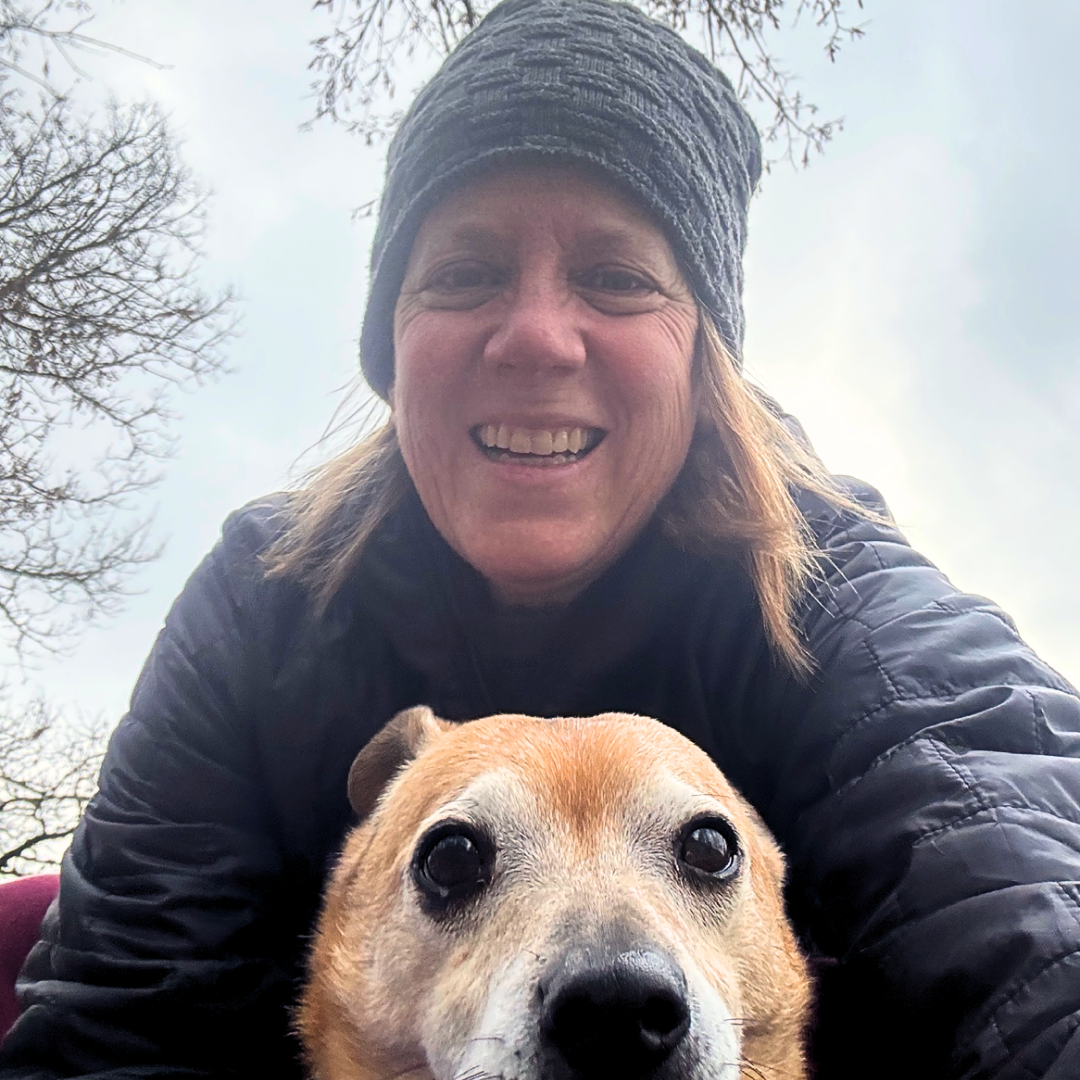
Tabatha and her grandmother at the hospital.
The symptoms eventually got so bad that I quit my job to focus on being a stay-at-home mom. But that change also made me more likely to have a glass of wine with dinner – which only made everything worse. I'd find myself in bed hearing things. Auditory hallucinations. My husband calling my name. My kids calling for me. Someone knocking on a window. Sometimes it became visual. I remember telling Archie that I kept seeing a man standing in our closet.
I started to think maybe the doctors were right. Maybe I did have schizophrenia. But by then, I had given up on finding an explanation. I'd taken so many medical tests over the years. Colonoscopy, CT scan, MRI – you name it. Nothing. No answers.
Then my grandmother died of lung cancer in late 2024. That was my breaking point. I decided to try one more time. I set up an appointment with my doctor and scheduled all those tests again. I believed I might have something chronic like cancer or multiple sclerosis.
But I also did something I'd never done before. I scoured my grandmother's medical records. I was looking for any clue that might point to a genetic disorder. And that's when I found it – a diagnosis that my grandmother had mentioned in the past. She used to joke about it. She said it made her a vampire.
I did a Google search. And everything clicked. Every symptom I'd had for decades was right there on the screen. I had no idea it was hereditary. I had no idea anyone in my family could have it.
I asked my doctor to test me for the same disorder. And on Christmas Eve 2024, the results came back confirming it: acute intermittent porphyria. But that wasn't all. Additional testing revealed that my mother, my sister, and my three daughters have it too.
Finding a doctor who knew how to treat it took months. Eventually, I found Dr. Moghe. Her mentor is one of the world's leading porphyria experts. She told me that my long journey is actually common. Most people with porphyria wait 10 to 15 years after symptoms start to get diagnosed. Doctors don't test for it because it's rare. But Dr. Moghe told me something I'll never forget: "It's not as rare as you might think."
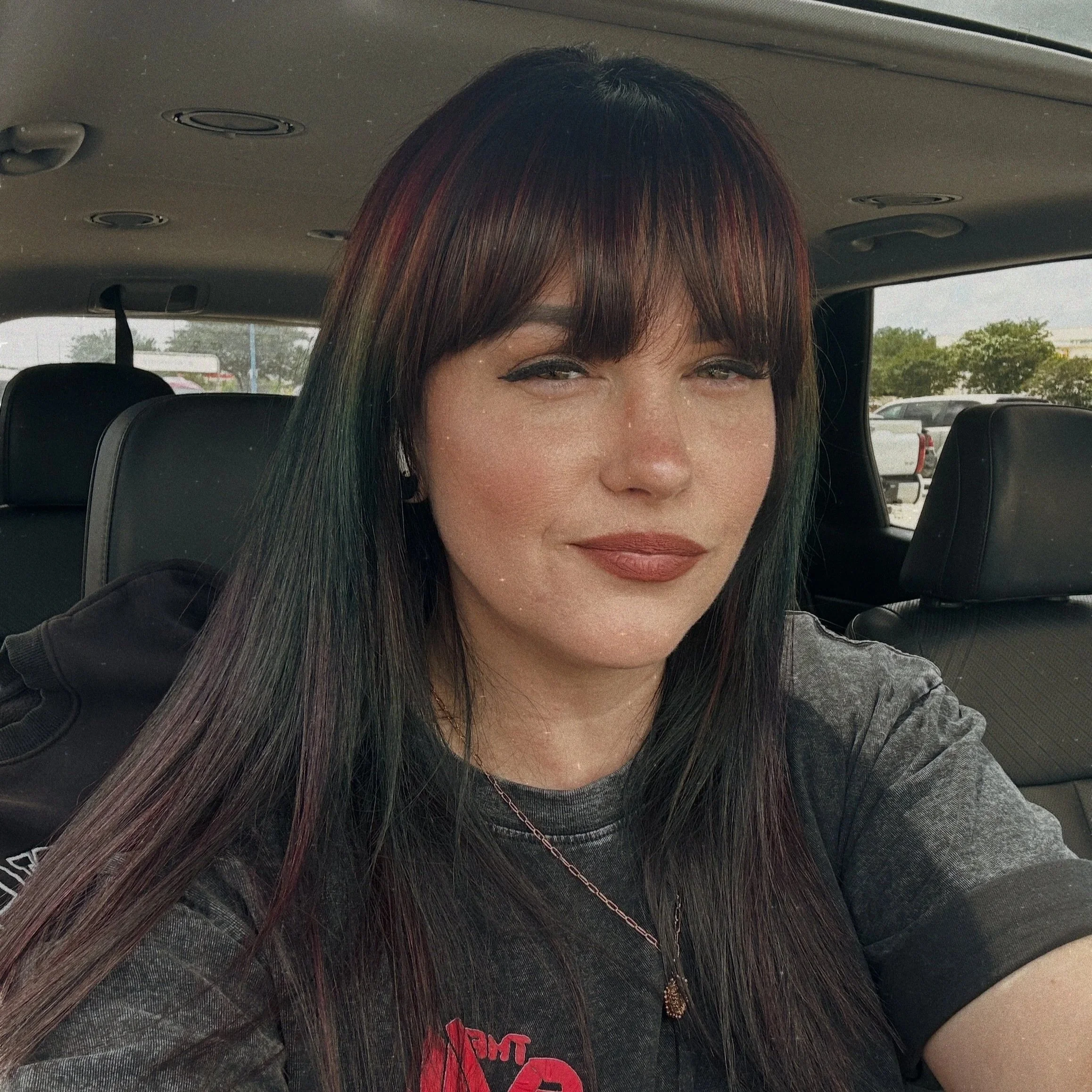
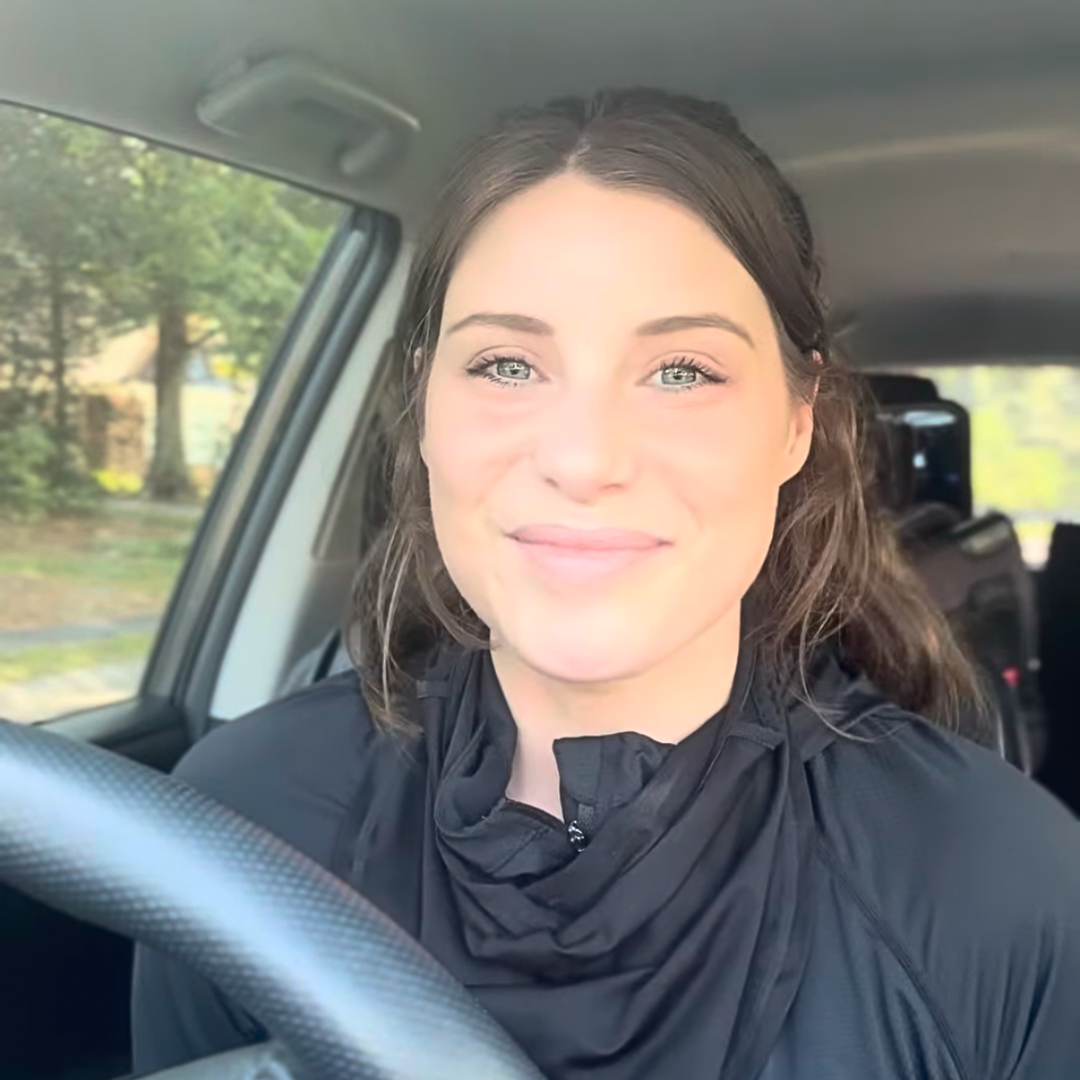
Tabatha now.
My attacks are severe enough that I need monthly injections of a medication called givosiran. It reduces the toxins building up in my body. I also do heme therapy. And let me tell you – the difference is almost like night and day. That's what Archie says too. Even though it's still bad, it's not as bad as it was.
I still have chronic pain because of all the attacks that went unmanaged for so long. I carry regrets too. I wish I had known sooner so I could have avoided so many triggers. I wish my three teenage daughters hadn't inherited this. I wish my family hadn't had to experience those mood swings and all that pain.
“But here’s the thing. I’m now having three or four “good days” every week. Before my diagnosis? I had none. Not one.”
I'm taking online college courses now. I want a degree in cancer data management – partly because it's a job I can do remotely. And I can't really complain. Because at least I'm having a few good days every week. And that's better than none.
Tabatha’s inspiring story.
Want to share your story? Contact us at katri@porphyria.org
Meet others living with porphyria