"I lived with pain no one could explain. I was told it was stress. Anxiety. That it was all in my head."
-Batya, AHP patient.
For years, I knew something wasn’t right.
I lived with pain no one could explain. I was told it was stress. Anxiety. That it was all in my head.
The pain in my breasts became so intense that there came a point when I couldn’t even face the water in the shower because the pressure hurt too much. For almost a year, I had to shower with my back to the water because the pain was so severe.
At the same time, I was also experiencing terrible abdominal and pelvic pain. The stomach pain was often dismissed as irritable bowel syndrome, and I was given different medications, but nothing truly helped. The pelvic pain was just as intense, yet I was repeatedly told that nothing was wrong.
Then, in 2015, I heard the words:
“You have breast cancer.”
I underwent a double mastectomy, followed by more surgeries. I thought that would be the hardest battle of my life.
But the pain never stopped.
The weakness. The itching. The sleepless nights. The emergency room visits. The abdominal pain. The pelvic pain. The feeling that something was still deeply wrong.
“I developed unexplained bruising, hair loss, and weakness in my legs. At one point, I began losing control of them. My skin also started reacting in ways no one could explain.
”
-Batya, AHP patient.
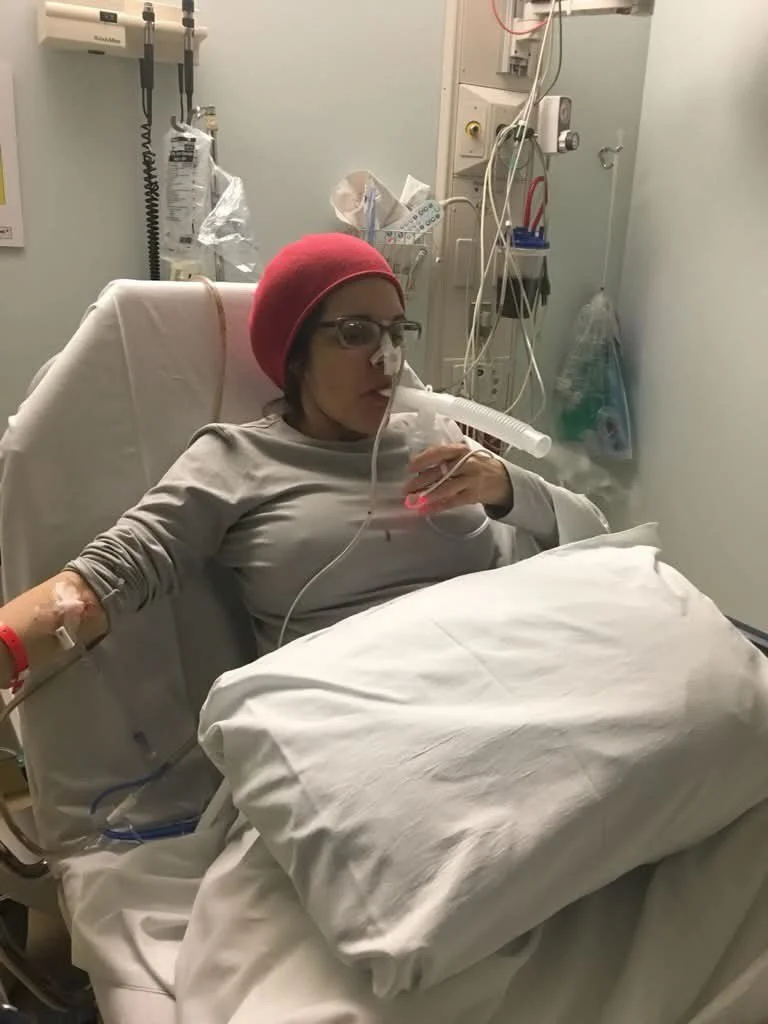
Over the next 11 years, I went through more medical procedures, including a hysterectomy. I spent long periods in the hospital, sometimes being discharged only to return again. At one point, I had to be intubated. For a long time, I thought everything I was experiencing was simply a consequence of surgery.
Then more symptoms began to appear.
I developed unexplained bruising, hair loss, and weakness in my legs. At one point, I began losing control of them. My skin also started reacting in ways no one could explain.
Doctors offered many different explanations. One doctor even told me to ask my husband not to hit me because of the bruises on my body. We changed our mattress because someone suggested that mites were causing the marks and irritation on my skin.
But it wasn’t the mattress.
It was the sun.
In August 2025, after another reconstructive surgery, I began noticing that even exposure to the morning sun caused the skin on my legs to split open. Around the same time, the severe abdominal and pelvic pain returned. I would cry and scream from how intense it was, but I still had no answers.
I went back to my primary care doctor and tried to explain that something was wrong. He told me I was a hypochondriac. He asked why I was always trying to be in hospitals when I had just come out of surgery.
After that, I became embarrassed to complain. I started doubting myself again.
My sister refused to give up. She collected all of my symptoms and searched for answers online. She told me that everything sounded like porphyria.
Then she sent me the Instagram account of Katrina Parra, a patient living with Acute Intermittent Porphyria and a porphyria advocate. I looked through her page and saw experiences that felt familiar.
I went back to my doctor and told him that I believed I had porphyria. It caused a major disagreement, but I insisted that he order the tests.
One month later, the results came back positive.
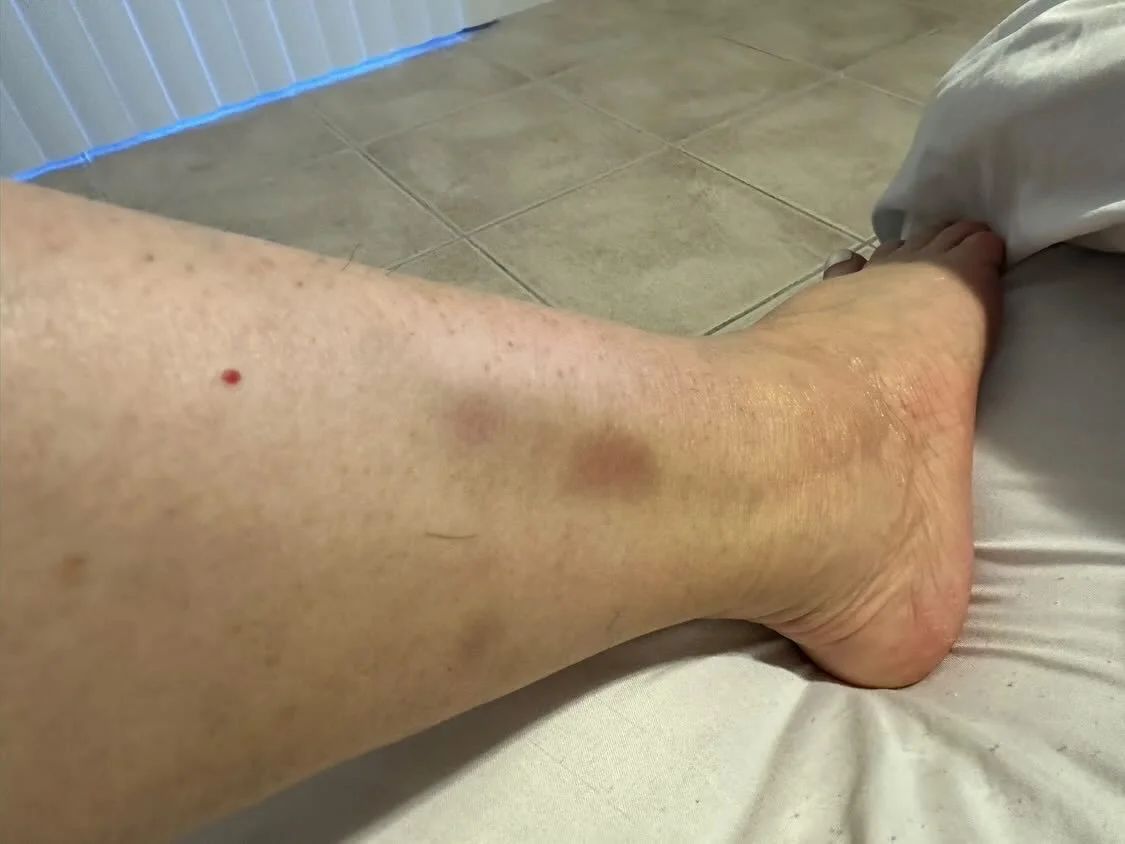
Batya’s leg, with bruises.
In November 2025, after 11 years of pain, confusion, surgeries, hospitalizations, and being dismissed, I was finally diagnosed with Acute Hepatic Porphyria. At last, my pain had a name.
I am a breast cancer survivor.
I live with porphyria.
Receiving a diagnosis did not erase everything I had gone through, but it gave me something I had prayed for: an explanation. For so long, I asked God to please let someone find what was wrong because I did not want to keep living without answers.
Now that I have a diagnosis, I understand my body better. I can research my condition, recognize symptoms, and receive treatment.
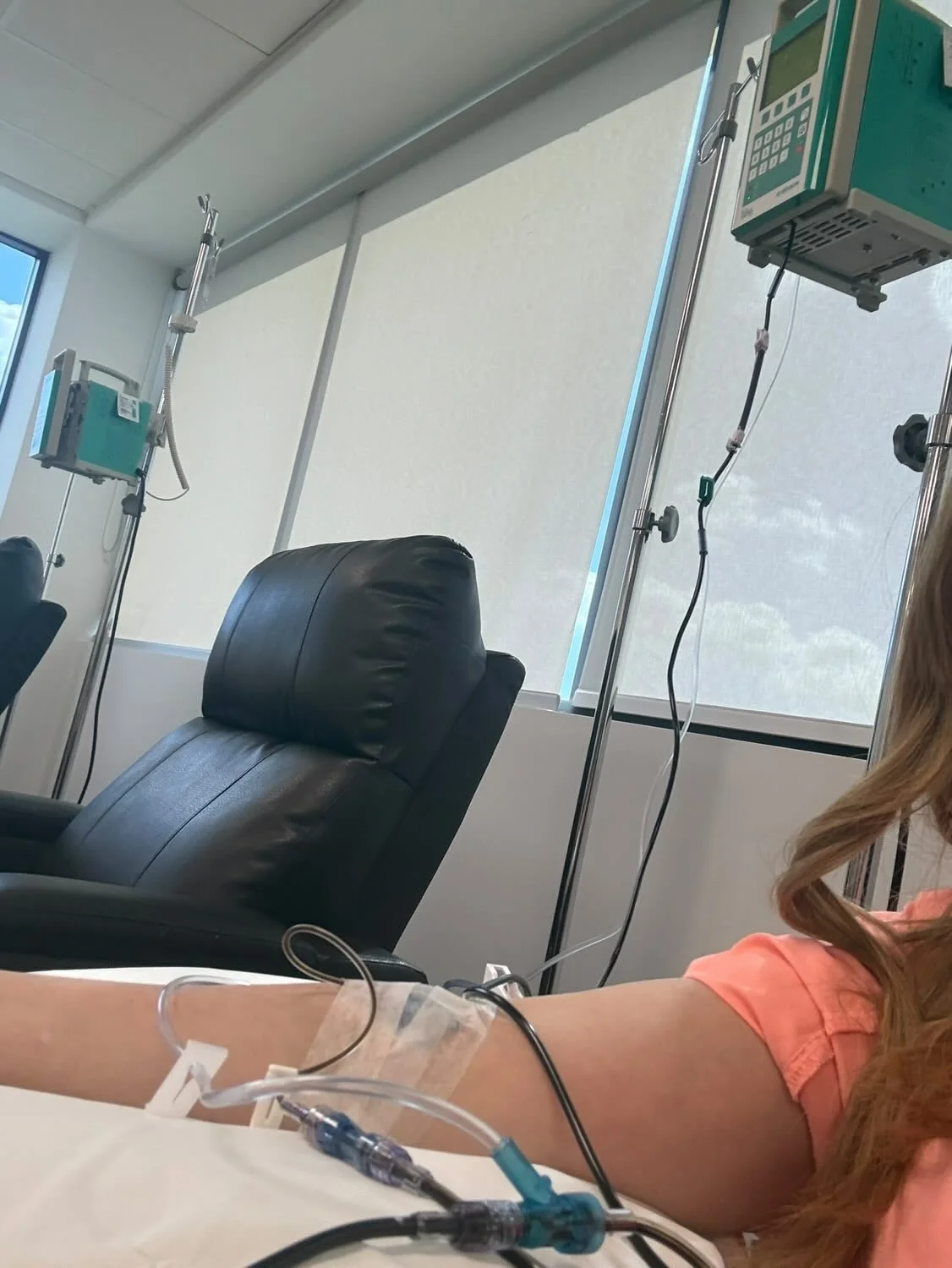
I have been receiving hemin, and I am trying to manage my symptoms as well as I can. I may need another dose because the abdominal pain has started returning again.
The emotional impact of everything I have experienced has been overwhelming. I am now in therapy with both a psychologist and a psychiatrist because it has all been too much at times. Some days I feel okay. Other days I feel extremely low.
For a long time, I didn’t even understand that what I was experiencing could be depression. I would lie in bed, unable to get up, and wonder whether I was simply lazy. I didn’t understand what was happening to my body or my mind.
My family has been unconditional throughout all of this, especially my husband. He has been there through the good days and the worst ones. Their support has helped me continue moving forward.
United Porphyrias Association (UPA) has also given me an important sense of support and community. Through UPA, I have connected with people who understand what it is like to experience severe attacks and live with this disease. Knowing that others have survived similar crises makes a difference.

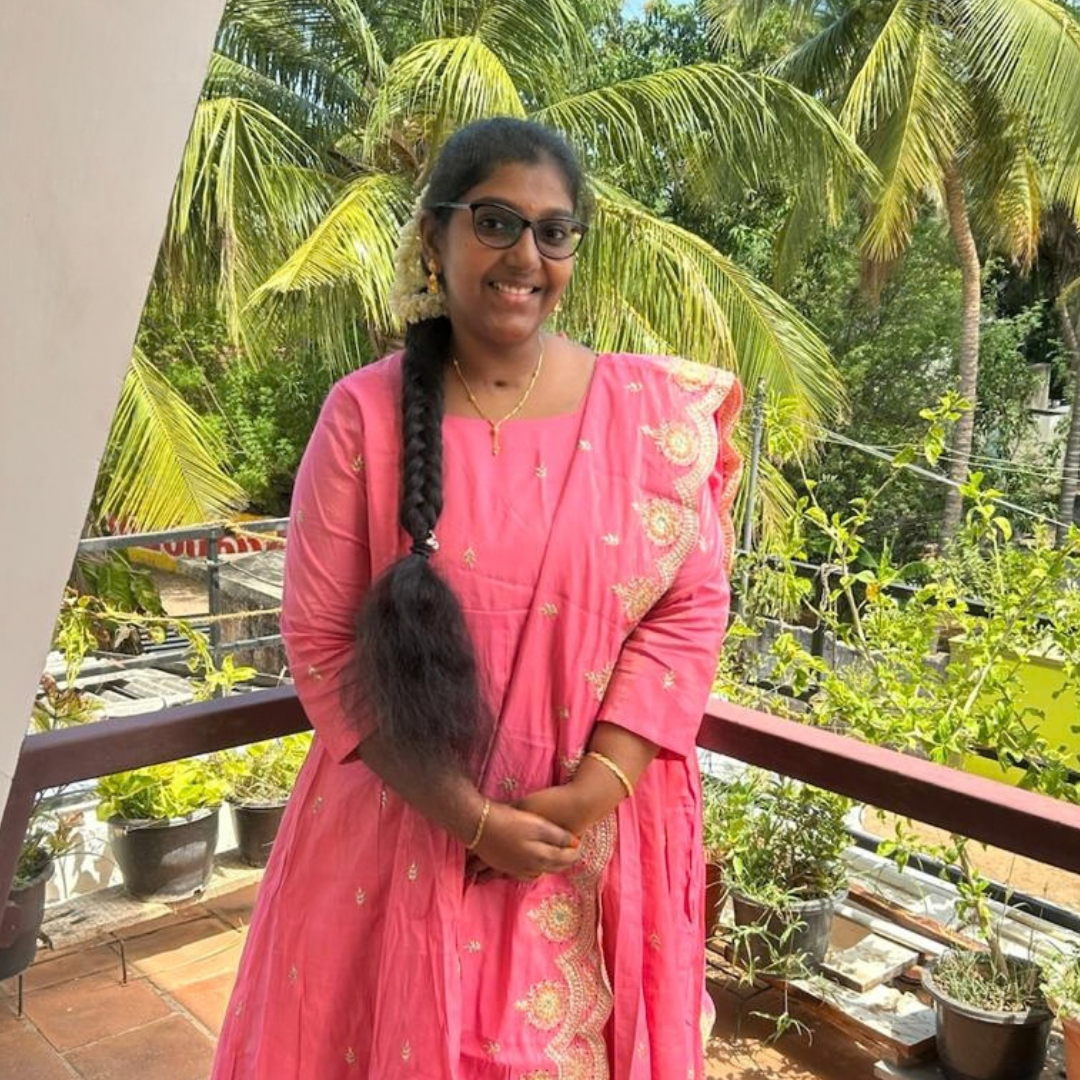
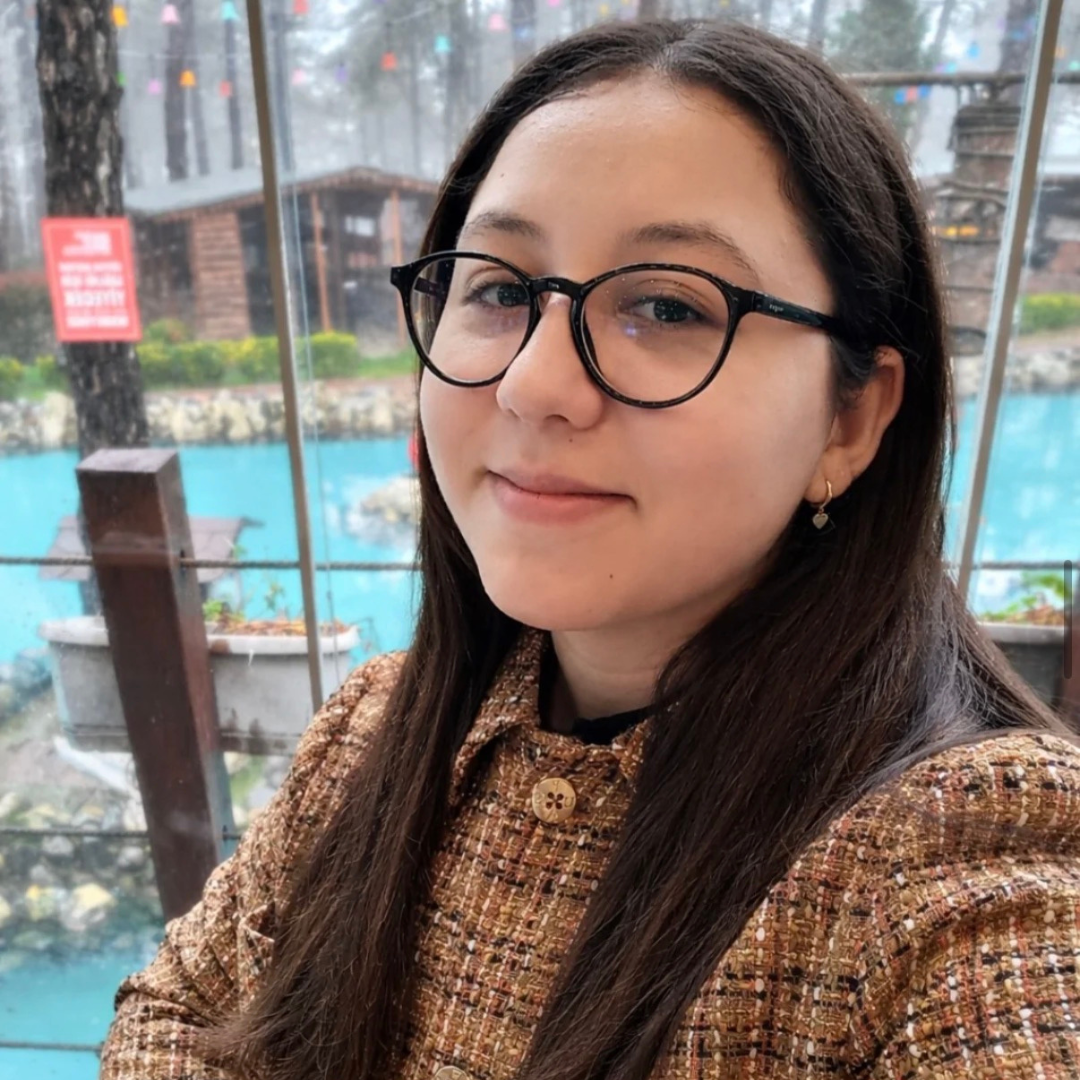
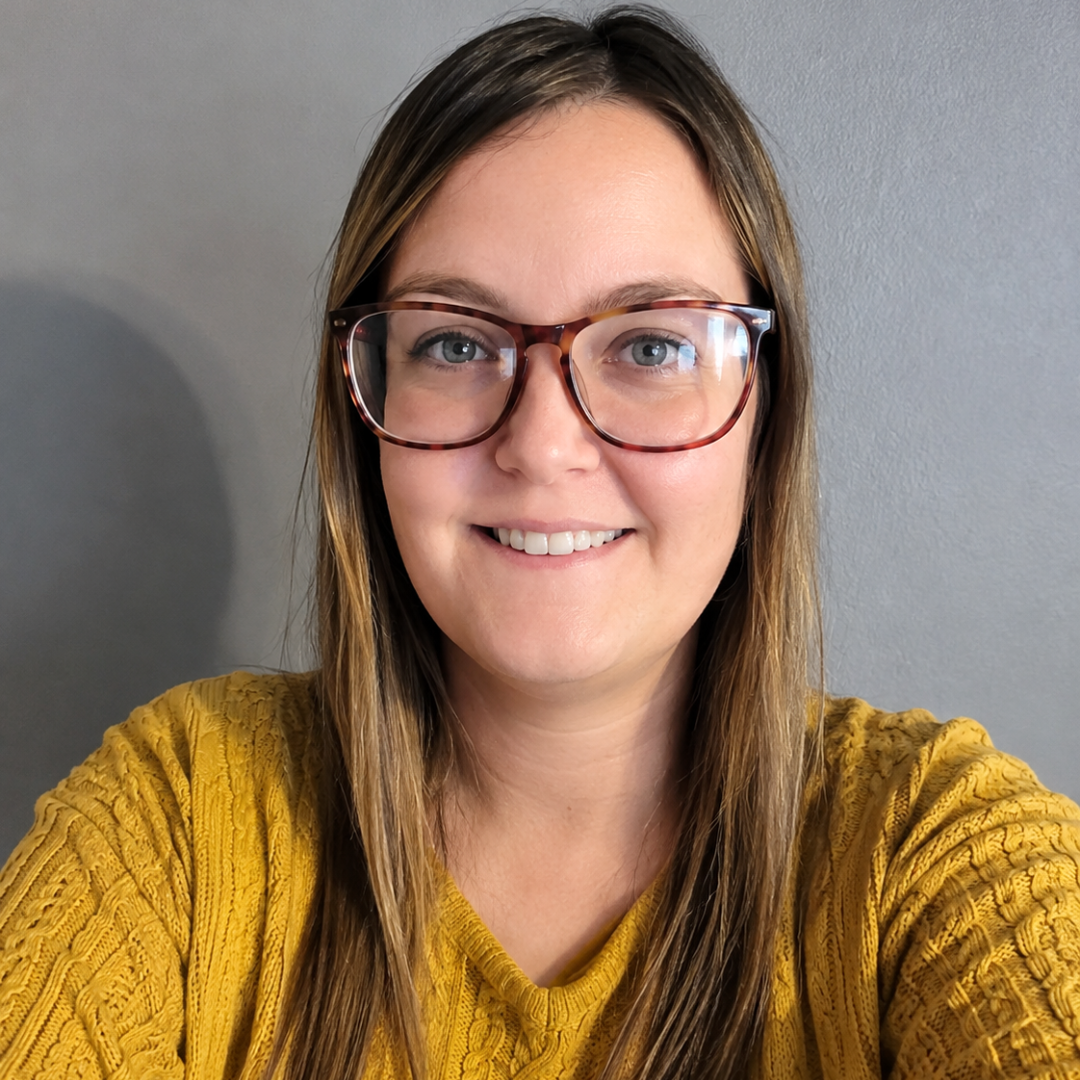
Batya now.
To anyone who has recently been diagnosed with porphyria, I would say this: thank God you finally have a diagnosis.
Having an answer gives you more control. You can begin learning about your body, researching your condition, finding treatment, and understanding what may be triggering your symptoms.
I would also encourage patients to find a good psychologist or mental health professional. The pain can be incredibly intense, and the emotional impact of living with porphyria is real. There may be days when you don’t want to get out of bed, and it is important to have support.
We must keep fighting for better treatments, greater access, and more awareness. I hope more medications are approved by the FDA in the United States and that more people understand what it means to live with porphyria.
Many people do not understand why someone may need to dress differently, cover their skin, or avoid the sun, especially during hot summer months. They may stare, ask questions, or make comments without understanding the reason behind it.
But now I know what I have.
I have a diagnosis.
I am receiving treatment.
I am in better hands.
Some days are harder than others.
But I am still here.
Still smiling.
Still fighting.
Still choosing hope.
“And if you are still searching for answers, please don’t give up.”
Batya’s story with VP & HCP.
Want to share your story? Contact us at katri@porphyria.org
Meet others living with porphyria