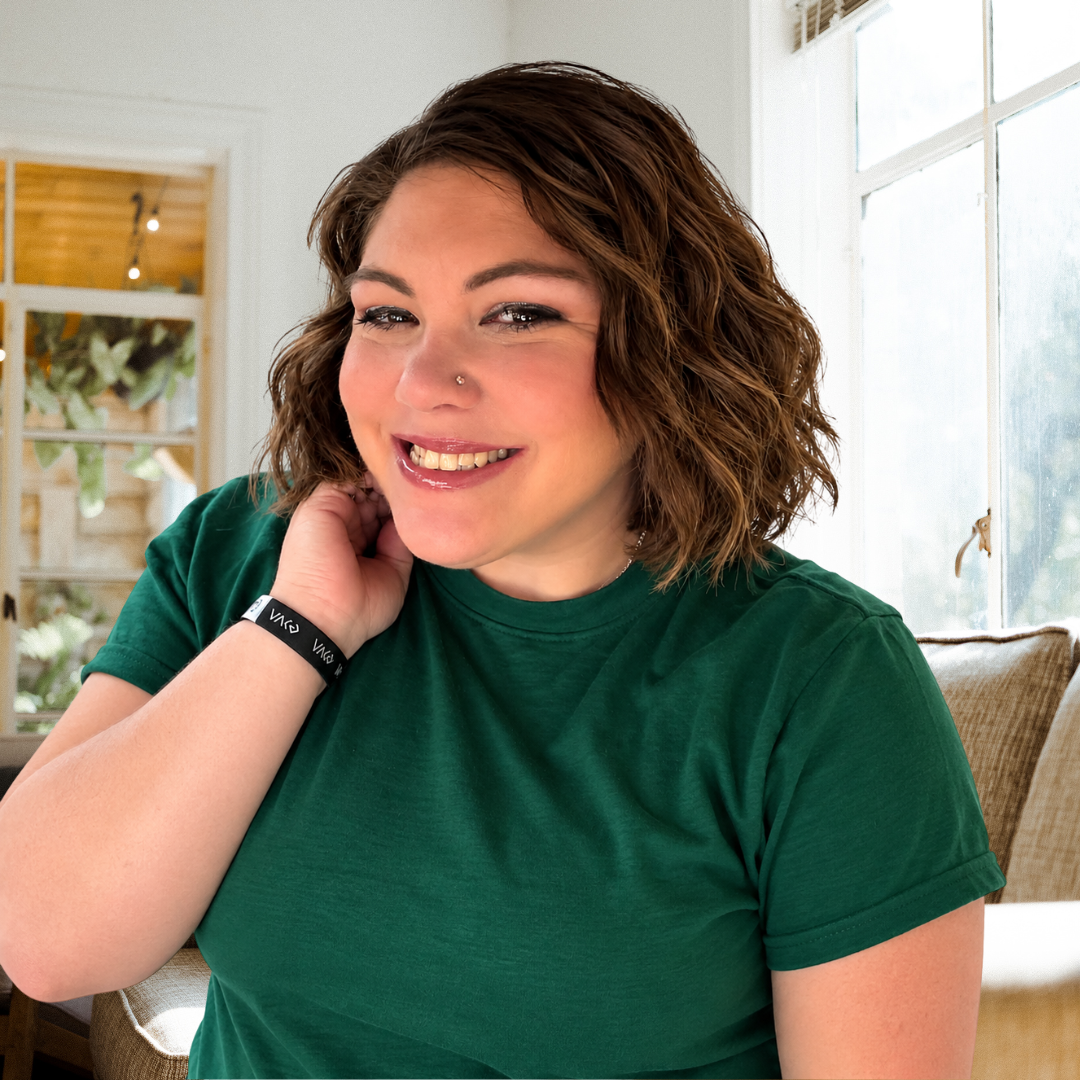
“I had horrendous stomach and leg pain. I told my family it felt like daggers on fire were dragging down deep within bones.”
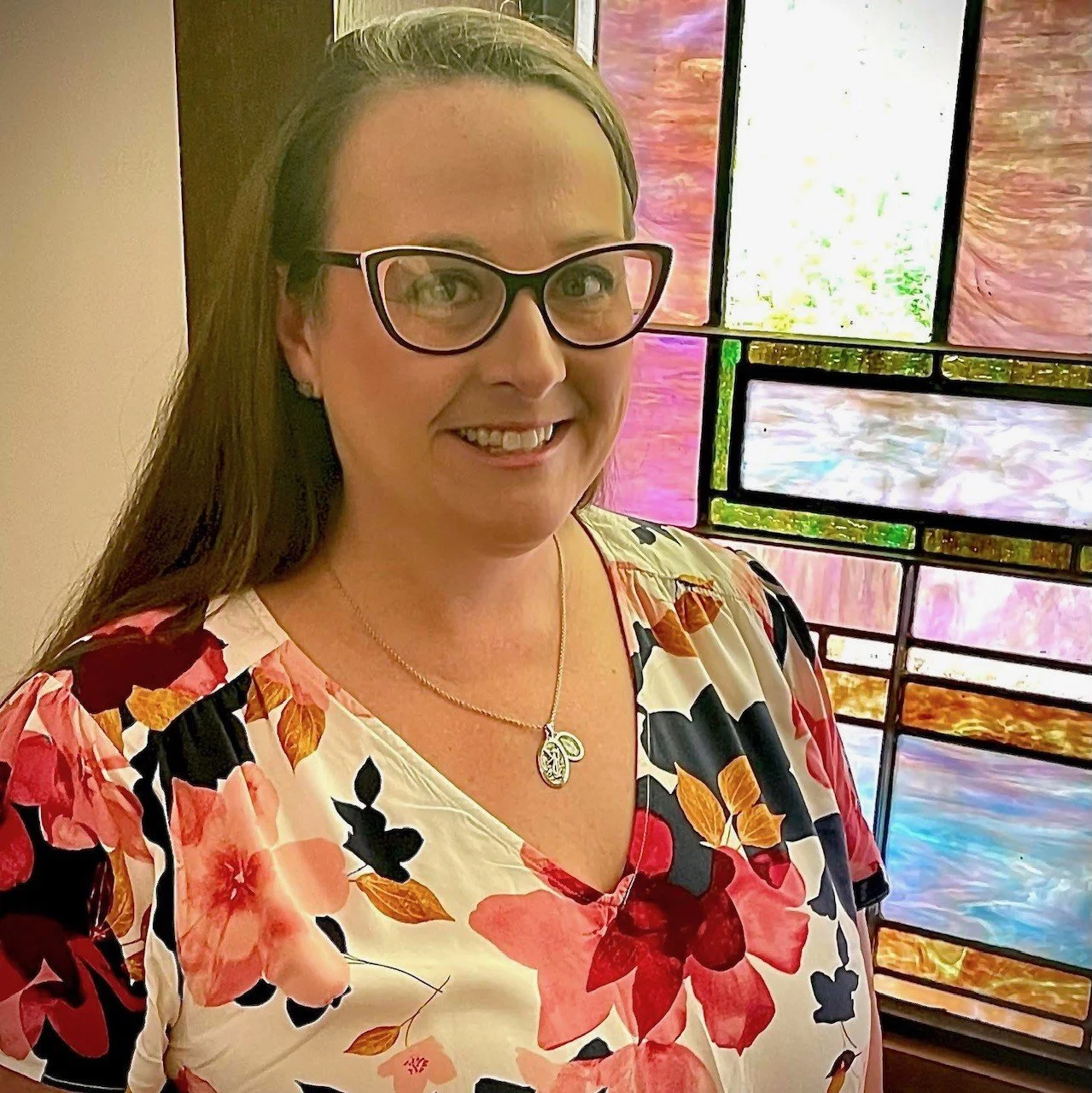
Amanda, HCP patient.
For most of my life, I knew what it felt like to be healthy. I was living my life without constantly thinking about my body, my symptoms, medications, doctors, or whether I would be able to make it through the day. I worked, took care of my family, made plans, and enjoyed the normal things in life that I once took for granted. I wasn’t living with chronic pain or wondering when my body was going to suddenly stop cooperating. Life wasn’t perfect, but I was healthy—and I didn’t have to think about being sick. I knew my mom had Variegate Porphyria (VP) or Hereditary Coproporphyria (HCP) so I avoided alcohol and a few other “major triggers” but I felt normal. I joined a study at the University of Birmingham Alabama in 2014 where I then found out I carried a unique mutation in the CPOX gene but they had no record of if it was a symptomatic mutation or not. Thus diagnosing me officially with HCP.
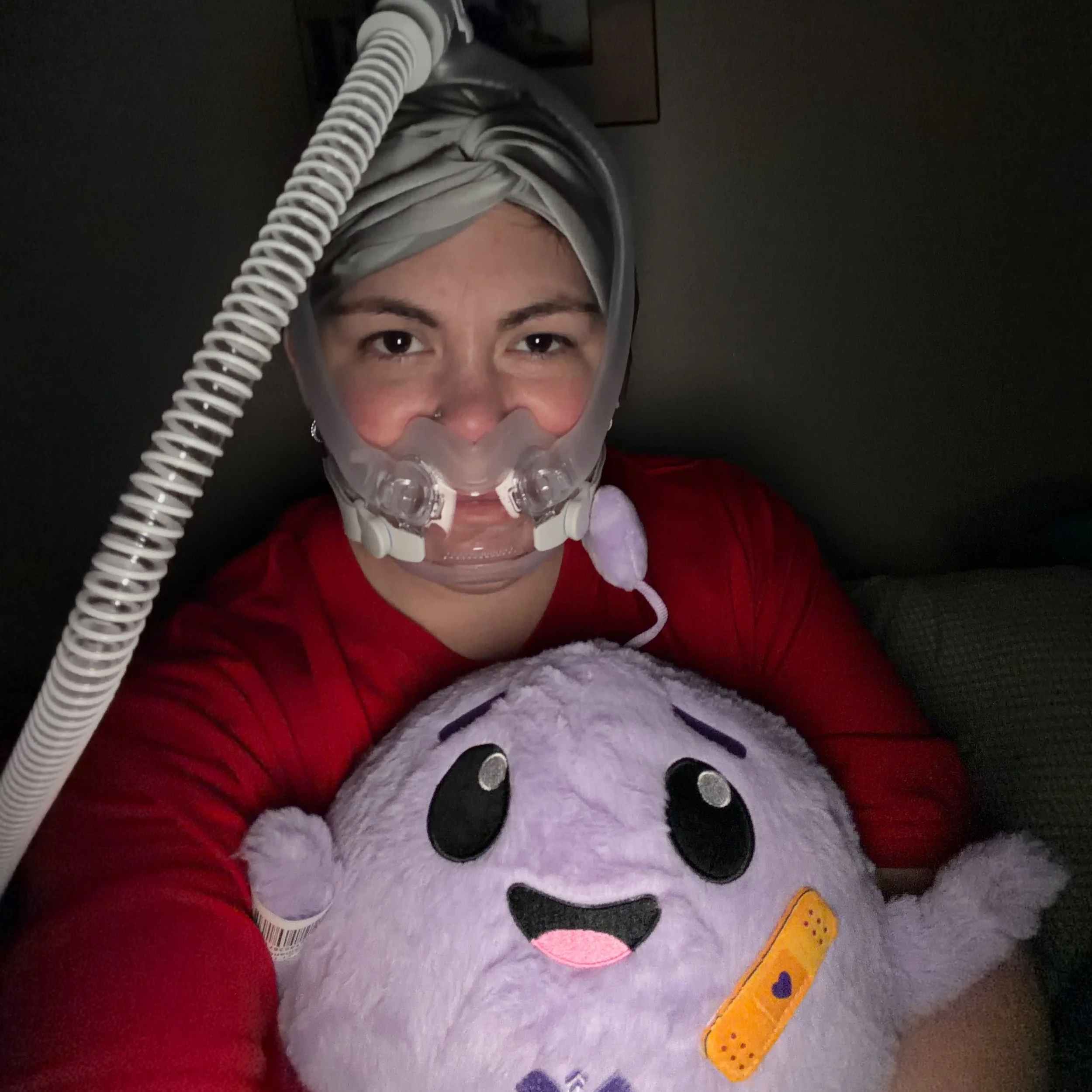
Amanda with Porphy, UPA’s mascot.
I still carried on thinking I was asymptomatic. I had a very difficult pregnancy in 2015 but those are not abnormal and the doctors labeled it as hyperemesis gradvidarum. I carried to term, had a beautiful daughter and went back to my healthy life.
We live right off the Gulf of Mexico in Florida so the beach, water and sun is in my blood. It never bothered me, each year I’d have the beautiful sun-kissed tan and if there was a free moment my family was outside soaking it up.
In May 2024 everything changed. We had just bought new paddle boards for the summer, my daughter was finally a strong enough swimmer we felt comfortable getting her a board of her very own. We spent all weekend at the river practicing. I came home sunburnt and extremely exhausted. That week I couldn’t go to work, was confused, had horrendous stomach and leg pain. I told my family it felt like daggers on fire were dragging down deep within bones. My mom immediately knew, she said it was a porphyria attack and I needed to go to the hospital. So to the ER we went. It didn’t take long and they admitted me for what would ultimately be the start of my new life.
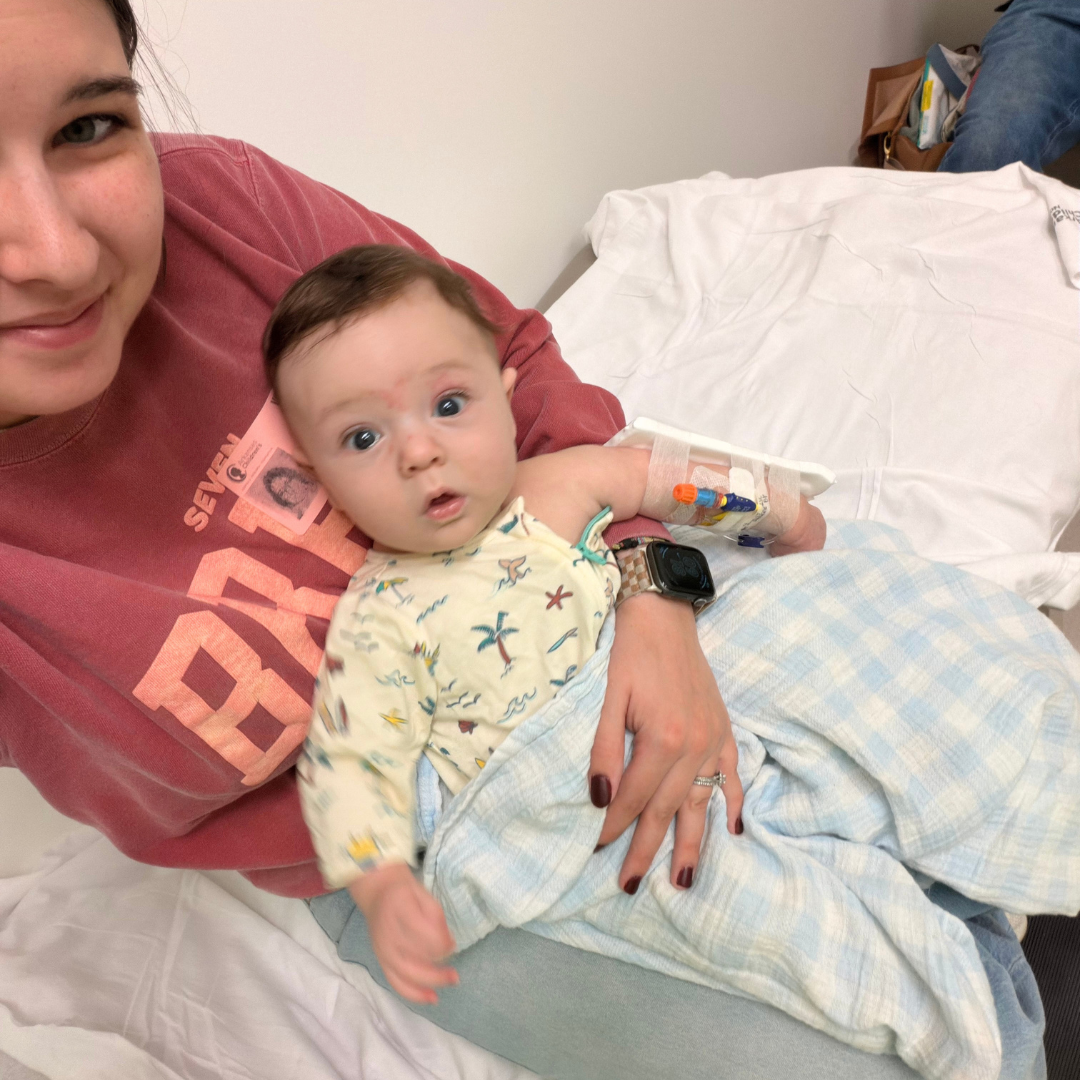
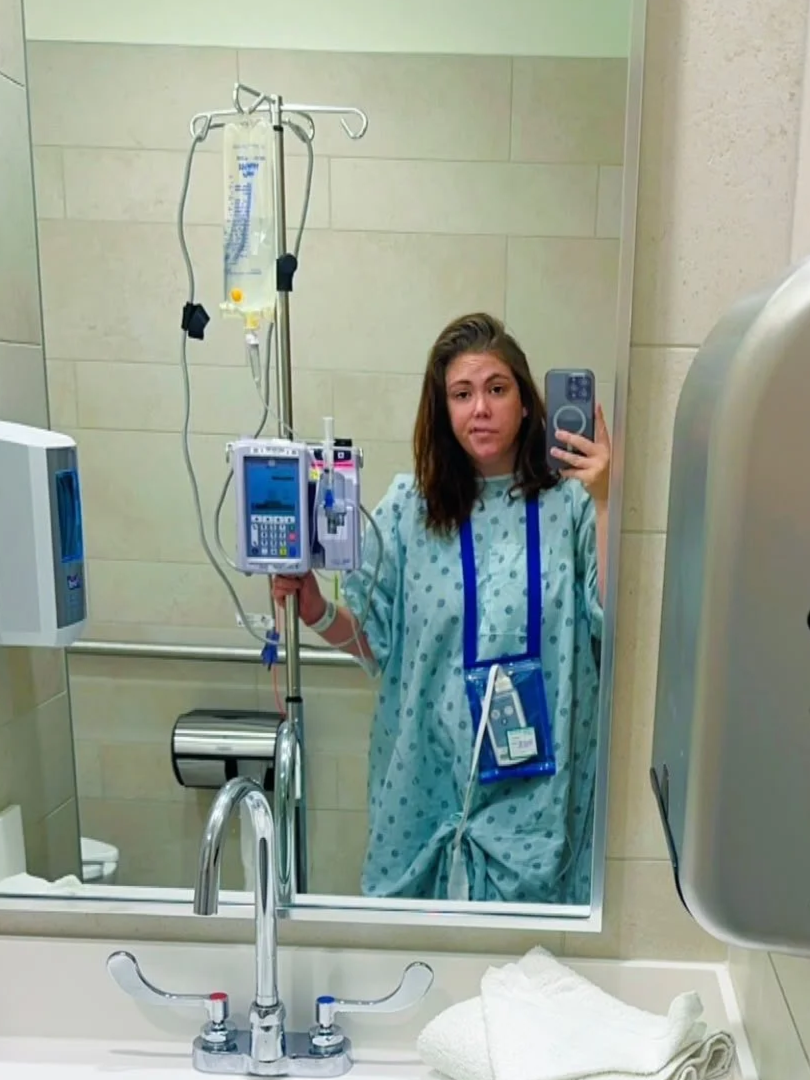
My porphyria attacks began to be reoccurring every few weeks and the life I knew slowly became a life organized around illness. What started as attacks and chronic severe pain eventually became something much bigger. The pain become overwhelming, and the attacks left me completely exhausted and with each reoccurring attack, more damage was being done to my body. I had a Mediport implanted July of 2024 from my veins giving up accepting IV dextrose and both arms having damaged picc lines. From that point on, I required IV dextrose fluids three times a week and multiple days of hemin monthly. One month my local doctor and Mayo doctor decided to try double doses of hemin for 10 days. By day 8 I couldn’t tolerate the medication anymore, my skin was brown and all white had left my eyes. I received treatment for 7 months in 2025 but once my insurance changed I wasn’t able to get it covered again. I’m still trying. As we all know even the treatments themselves are physically and emotionally exhausting.
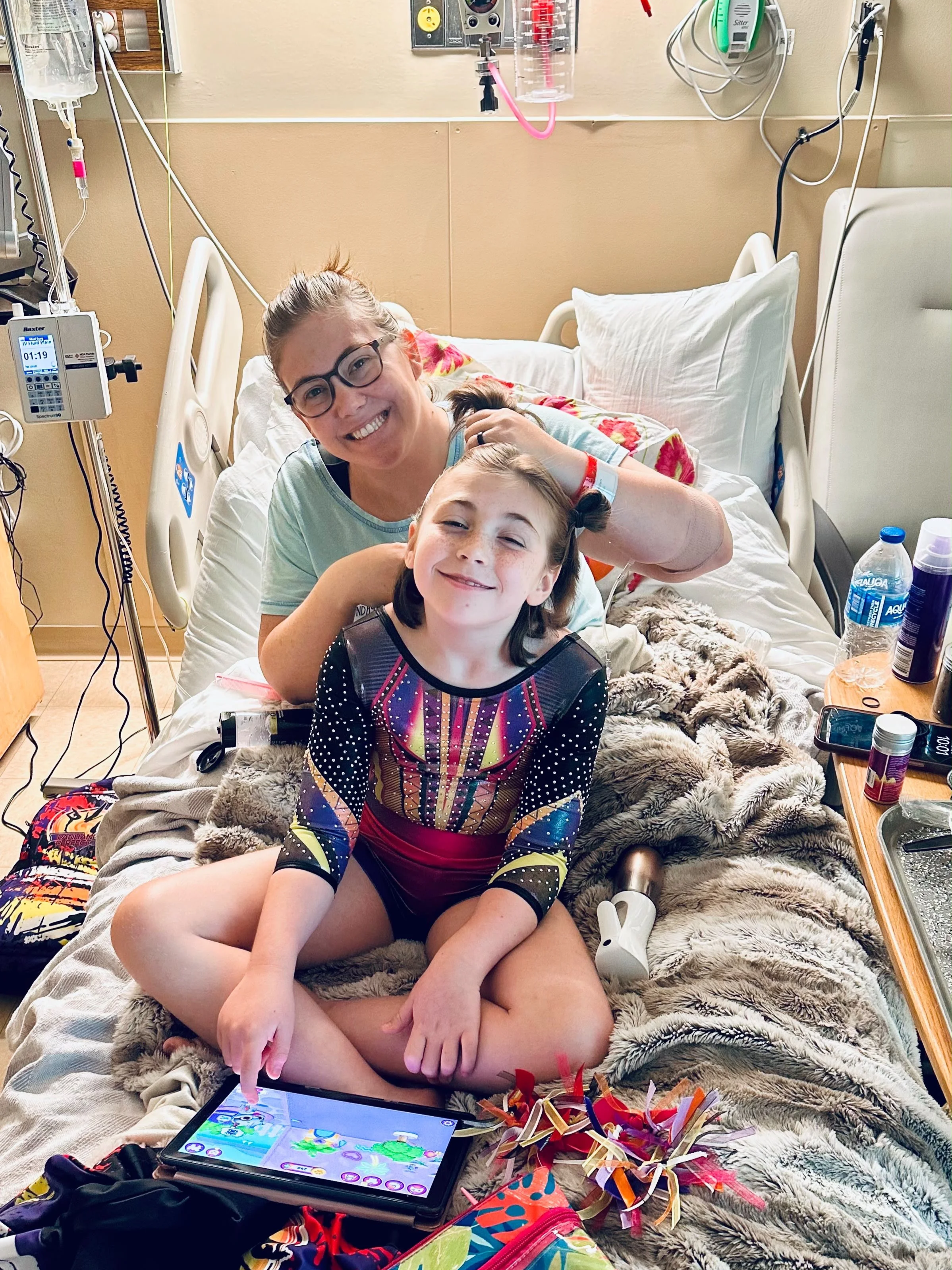
“Perhaps one of the hardest parts has been the loss of independence and the loss of the person I was before I became sick.”
Amanda, HCP patient.
HCP has also affected my nervous system in ways I never could have imagined. The neuropathy and small fiber nerve problems have caused significant pain and changes in sensation, including difficulty with temperature regulation and distorted sensations. The neuropathy has become so severe that walking has been difficult and at times impossible. I have also experienced overwhelming fatigue, headaches, blurred vision, cognitive problems, gastrointestinal distress and changes in how I function from day to day.
There is also the uncertainty. I can’t always predict what my body is going to do next. A day that looks normal can turn into a high-pain day, an attack, or another medical problem that requires attention. I have gone from rarely thinking about my health to having doctors, testing, medications, treatments, procedures, and symptoms become a major part of my life.
Perhaps one of the hardest parts has been the loss of independence and the loss of the person I was before I became sick. I had a life where working, caring for my family, making plans, and simply getting through an ordinary day were things I could do without questioning whether my body would allow it. Now, even basic things such as washing my hair require planning around pain, fatigue, neuropathy, cognitive difficulties, and recovery.
I don’t look back at my old life because it was perfect. I look back because I remember what it felt like to be healthy and not have to fight my own body every day.
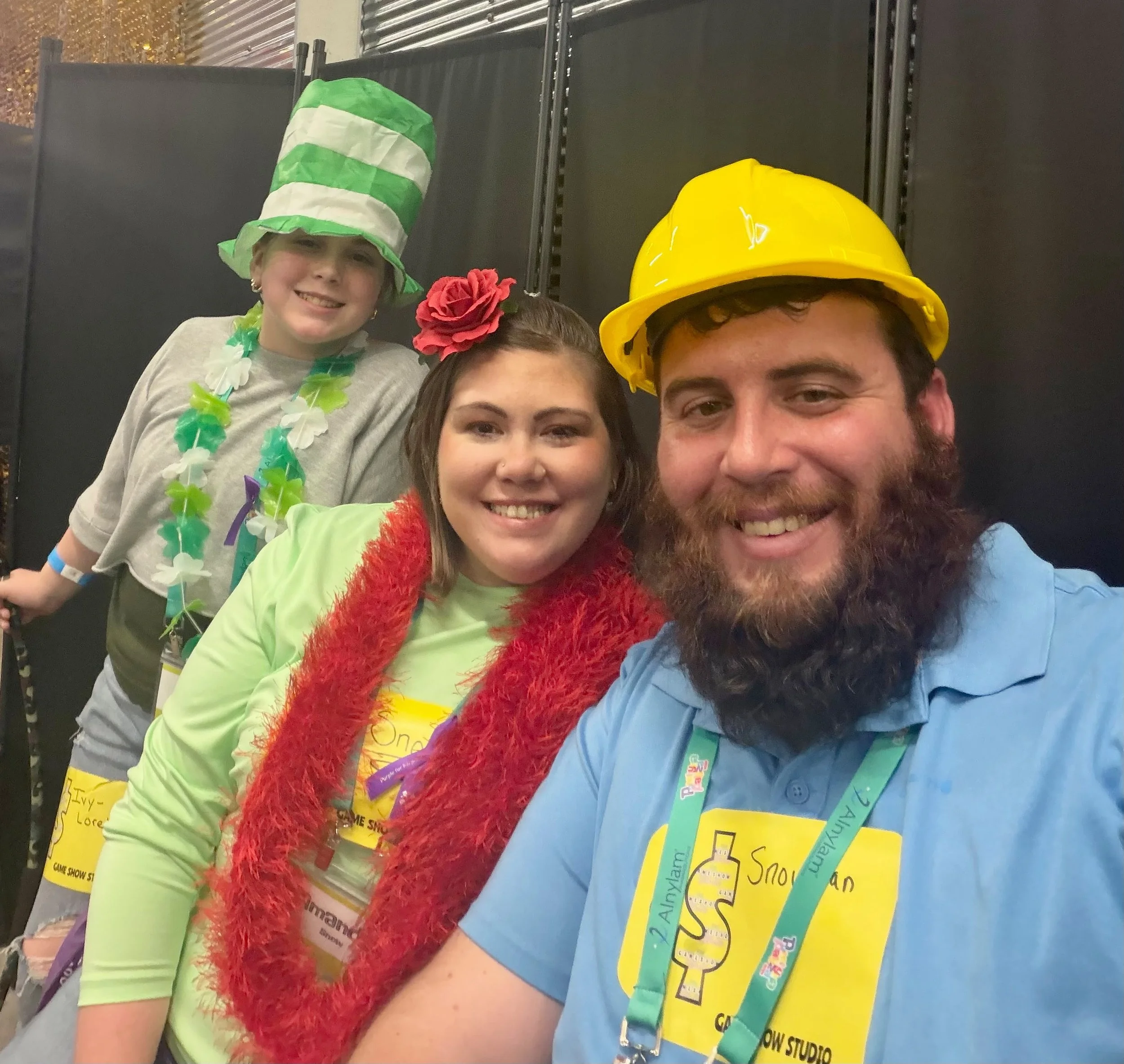
Amanda with her husband and daughter at UPA’s Porphyria Palooza event.
The last two years have changed almost every part of my life. Porphyria isn’t just something that happens during an attack—it affects my physical abilities, my energy, my ability to work, my independence, and the way I experience everyday life. I am still me, but I have had to learn how to live in a body that isn’t the same.
Before porphyria, I was simply living my life. Now, my life revolves around trying to manage an illness I never asked for and finding a way forward despite what it has taken from me.
I’m still on my journey to find my new purpose but I trust in God that he has a grand purpose for this version of myself, I just haven’t recognized it quite yet but I take it day by day. I’m on the road to a new self discovery and one thing I’ve learned from all this is that life is too short. You must learn to see the victories no matter how small or insignificant they may seem and celebrate them.
As Charles Bukowski once wrote: “I am a series of small victories and large defeats and I am as amazed as any other that I have gotten from there to here."
Amanda’s inspiring story.
Want to share your story? Contact us at katri@porphyria.org
Meet others living with porphyria