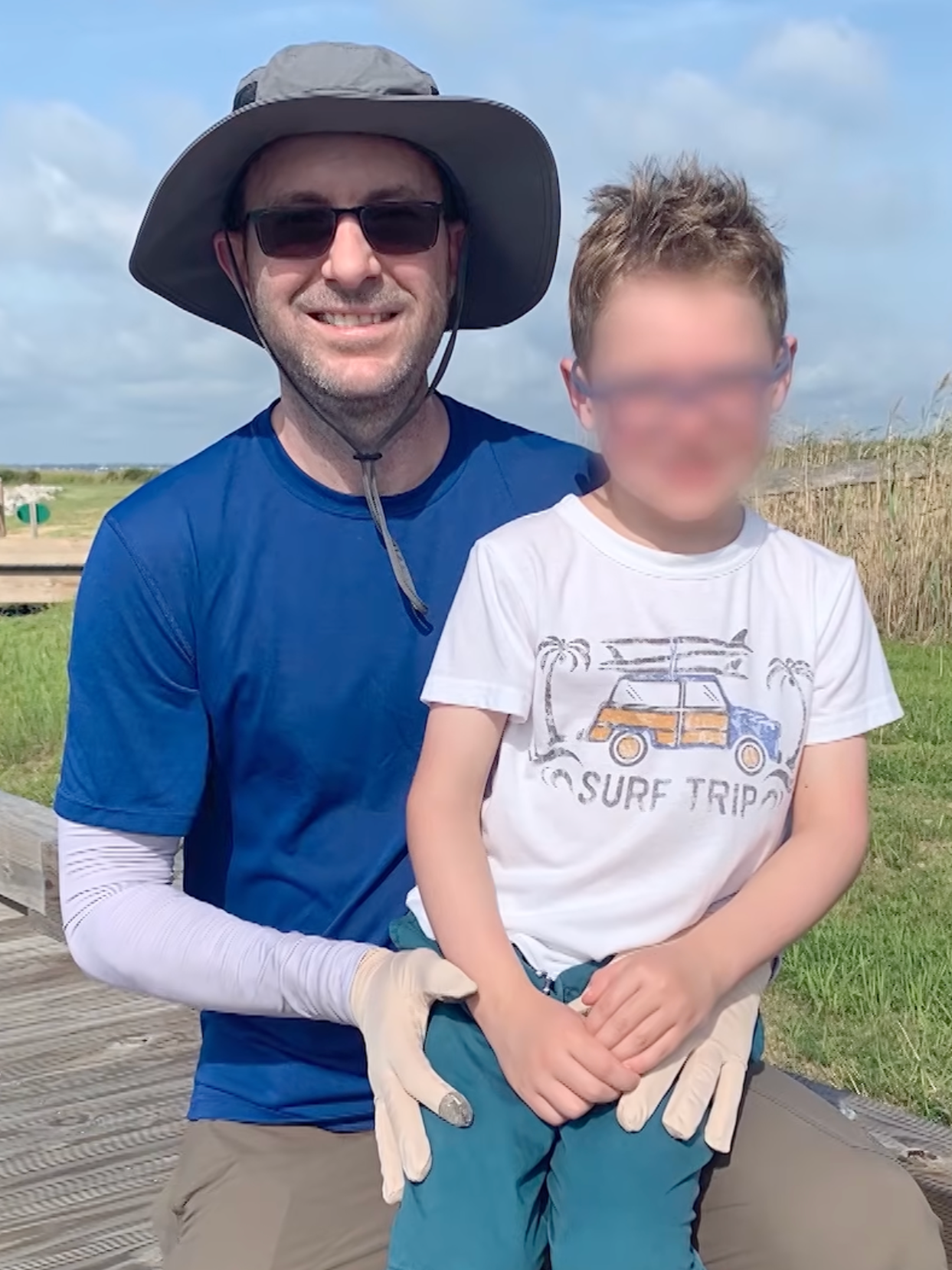
“The hardest part was that, especially as a child, most of what I was experiencing wasn't visible on my skin. I knew I was in pain, but other people couldn't really see that there was a problem.”
-Ryan, EPP patient.
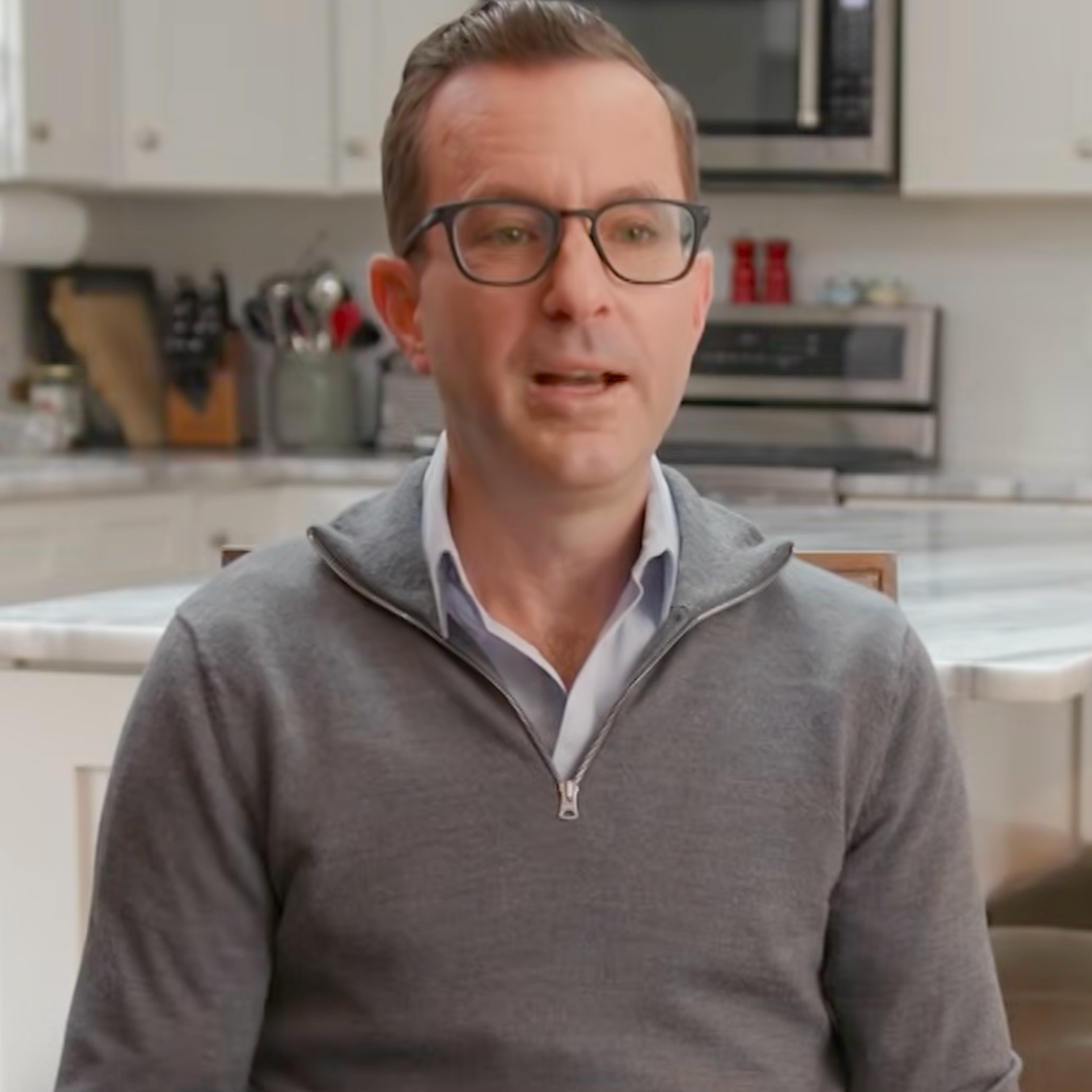
My name is Ryan Beier. I'm 48 years old, and I live in Alexandria, Virginia.
I grew up in the 1980s in a small Midwestern town not too far from Kansas City. I came from a strong, blue-collar family, and like a lot of kids, I loved playing baseball. My dad and my uncle were huge influences in my life, and I dreamed of making it to the major leagues.
I played Little League for years, made the All-Star team a few times, and worked hard to become the best player I could be. I was a pretty good hitter, and I pitched quite a bit. I remember throwing what was almost a perfect game during an All-Star tournament when I was about 12.
But my earliest childhood memory isn't about baseball.
It's about pain.
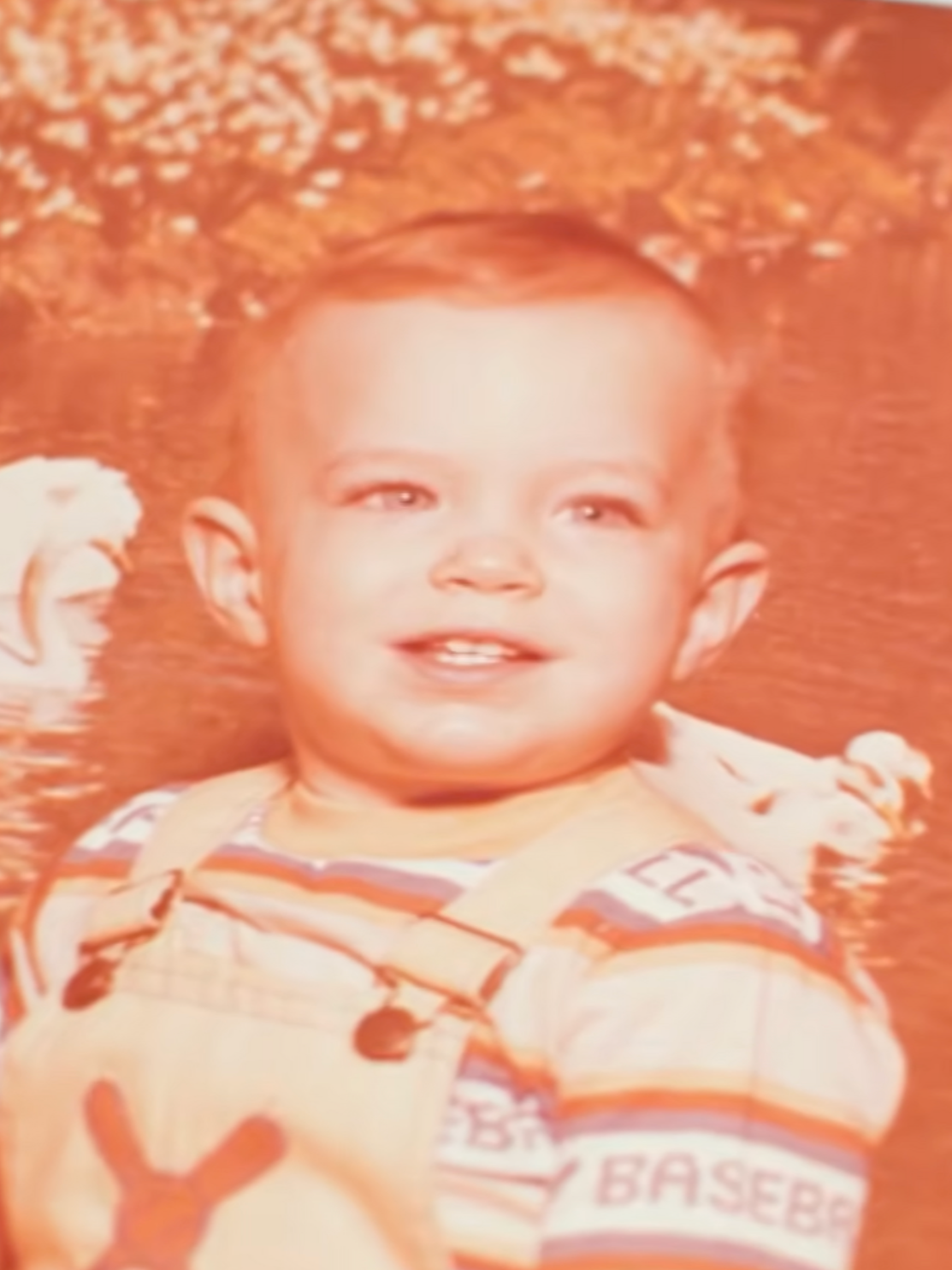
“The burning sensation could become incredibly intense. I often described the feeling in the backs of my hands as if I were turning them over and placing them in a frying pan.”
-Ryan, EPP patient.
I was probably two and a half years old. I was at a park with my parents on a hot summer day. There was a big slide that went down the side of a hill.
I remember going down the slide a few times, and then suddenly stopping at the bottom and rolling around in the grass, desperately trying to find some kind of relief. My skin was burning. My hands and the backs of my arms felt like they were on fire. I can still vividly remember that moment today.
The hardest part was that, especially as a child, most of what I was experiencing wasn't visible on my skin. I knew I was in pain, but other people couldn't really see that there was a problem. Even at that age, I intuitively knew it was the sun. I just didn't know why.
Baseball was a huge part of my childhood, but it was also an outdoor sport. We spent hours practicing and playing in the sun. I didn't want the pain to stop me from doing something I loved, so I kept trying to improve and push through it.
There were times when friends wanted to go to the pool, and I knew I had a limited amount of time before the pain would begin. After around 30 minutes, the burning sensation could become incredibly intense. I often described the feeling in the backs of my hands as if I were turning them over and placing them in a frying pan. And it wasn't something that simply disappeared once I got out of the sun.
The burning could continue for 24 or 48 hours, sometimes even longer. When it happened, the pain controlled every thought I had. All I could think about was how badly it hurt and what I could do to make it stop. As a child, I tried my best to act like nothing was wrong.
Some kids didn't understand what was happening because they couldn't see it. There was teasing, and I often felt different from everyone else. I remember getting emotional just thinking about how badly I wanted to blend in. I didn't want to feel like an outcast.
I'm sure most people around me were trying to help me not feel that way, but it was difficult when nobody else I knew was experiencing what I was going through. I wore some protective clothing, although probably not nearly as often as I should have. I think part of that came from the blue-collar toughness I grew up around. My mentality was to tough it out.
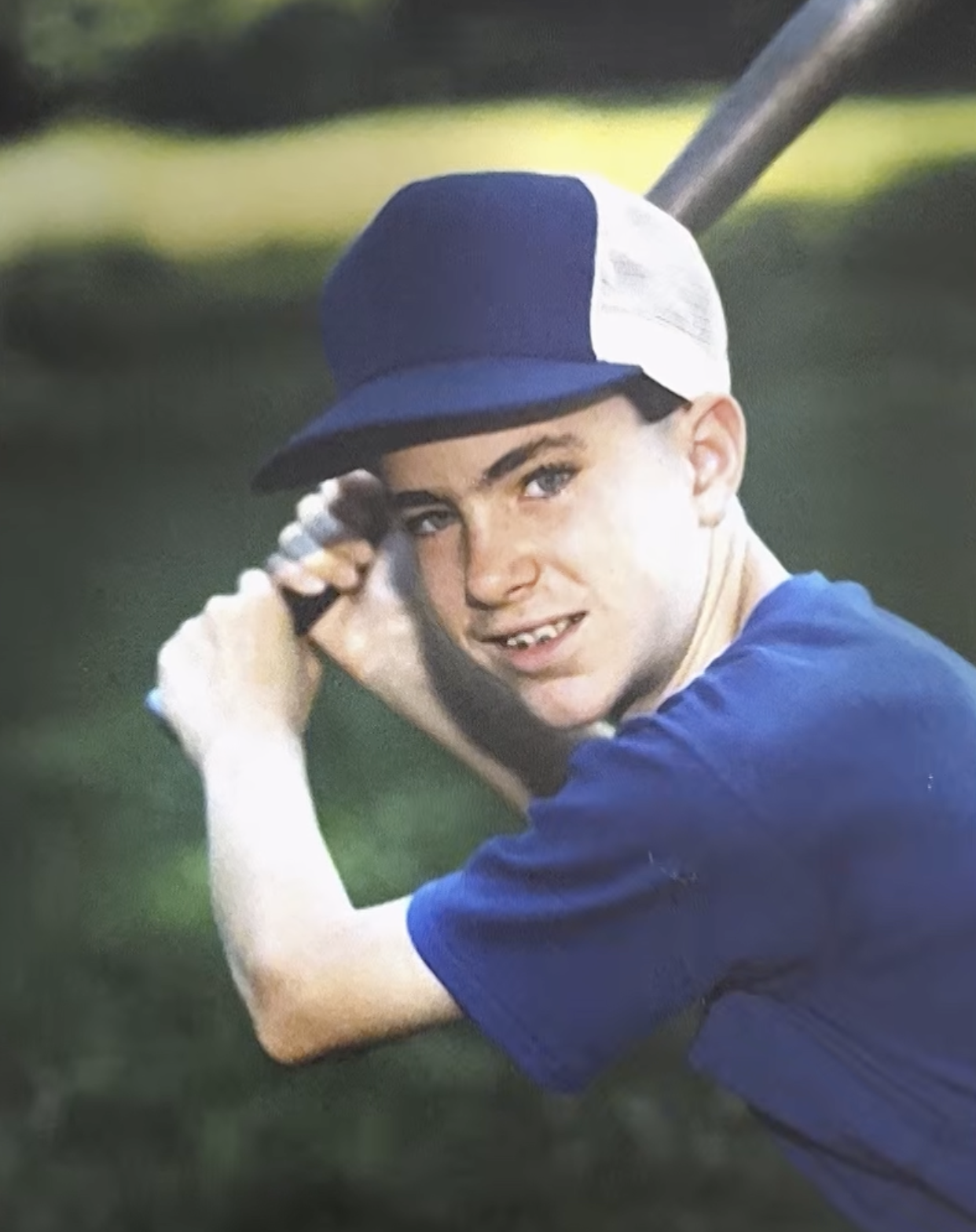
Ryan playing baseball as a teenager.
As I entered my early teenage years, my reactions became more frequent, more painful, and more prolonged. At the same time, baseball was becoming more competitive. There were more practices, more training sessions, and more time outside.
Eventually, I realized it probably wasn't something I could sustain. I tried finding other ways to stay involved in sports. I remember playing in a tennis tournament, probably during my junior year of high school, and experiencing one of my first really visible reactions. When I woke up the next morning, my face was swollen shut. By then, I had already spent years seeing doctors.
I visited local physicians and specialists, including dermatologists and an allergy specialist in Kansas City. I remember one doctor, when I was around 10 or 12 years old, being adamant that the sun couldn't possibly be the cause.
There were theories about the grass, the baseball, or something else in the environment. But no one could give me a diagnosis. I went through high school without knowing what was happening to my body, and I entered adulthood with the same unanswered questions.
As a young adult, my reactions became more visible. My face and hands would swell. Sometimes my hands developed red and purple blotches. Depending on how much sun exposure I'd had, I might need at least two days to recover. Those days were spent indoors, in the dark, with air conditioning and cold rags, trying to get through the pain. If the exposure was more severe, recovery could take a week or longer.
I tried to protect myself by wearing big hats and long sleeves, even in places where people wouldn't normally dress that way. But wearing that kind of clothing made me feel like I had a spotlight on me.
Dating was difficult, too. I had this thing I couldn't really explain, and I wondered how a potential girlfriend would react to it. Then I met Nichole.
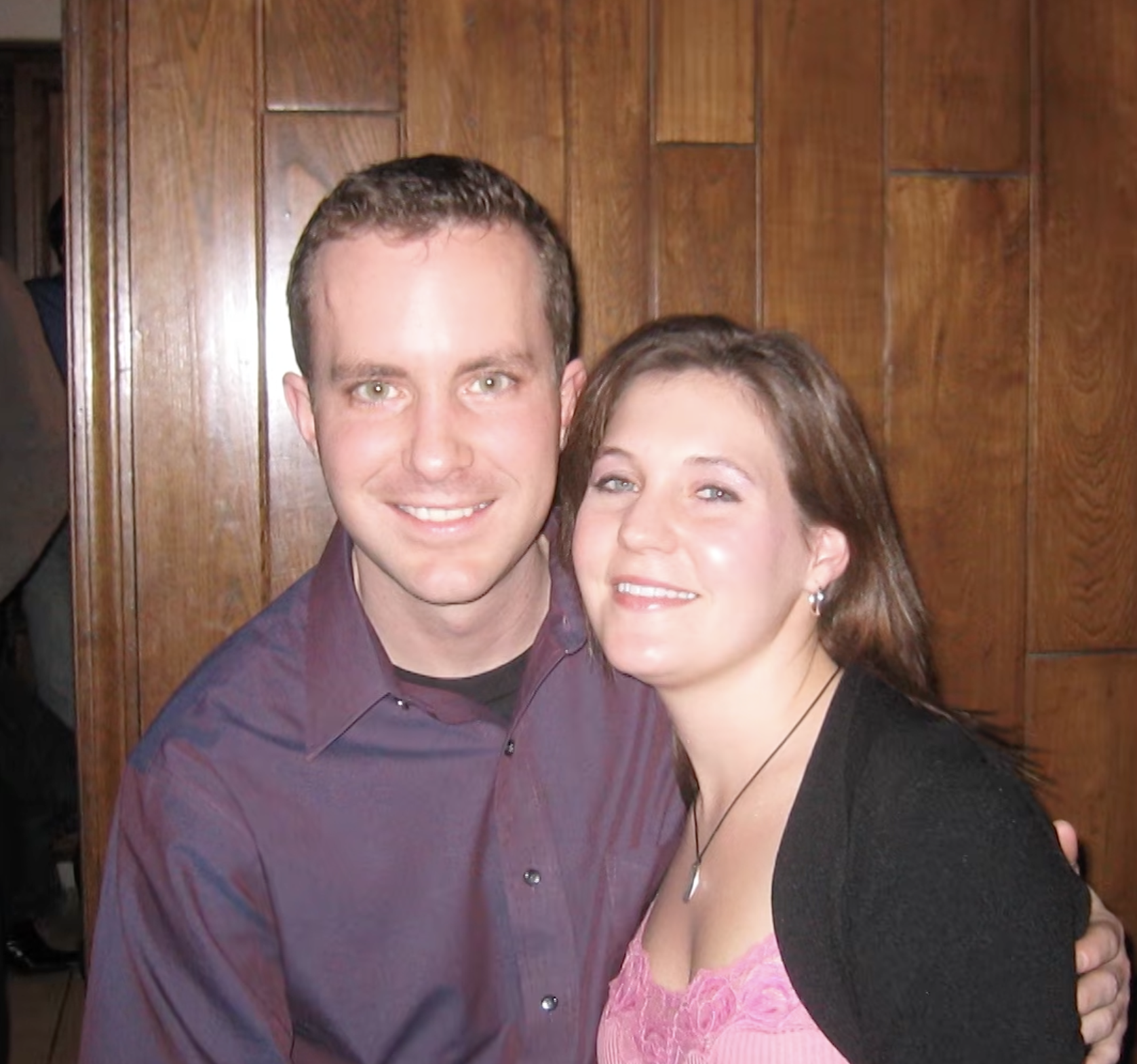
Ryan and his wife.
Nichole and I met in 2005, when we were both young professionals in Kansas City. She had just started work after law school, and I was working for an accounting firm.
Our first date was watching a Kansas City Chiefs game. I had been out in the sun, and my hands were bothering me. Nichole noticed that I was moving them around and trying to hide them. I was honest with her about the reactions I experienced.
By that point, I'd spent more than 25 years searching for answers. I had done research, talked to doctors, and tried to understand what was happening to me, but nothing had led to a diagnosis.
When I met Nichole and her family, it was almost like a spark was lit. There was a renewed sense that maybe we could finally find an answer. But even with someone supporting me, there was another part of living with this condition that I struggled to talk about. I didn't want to inconvenience other people. I didn't want to be a burden on Nichole. Even when I was having symptoms, I often felt like I needed to hide them. That wasn't because of anything she did. It was something internal, a behavior I'd learned over decades of trying to keep my pain to myself.
I think that's one of the things people don't understand enough about conditions like this. The mental toll. The psychological impact of feeling different, hiding your pain, and worrying that your condition might affect the people you love. It's not something you talk about every day. And sometimes, when you finally do talk about it, the emotions come out.
In 2006, Nichole and her family encouraged me to go to Mayo Clinic. We went in September of that year, when I was 28 years old. I remember arriving with some symptoms already present.
The doctors discussed different possibilities and tests they could run to rule things out. One of the conditions they mentioned was porphyria. I think that was the first time I'd ever heard the word.
At first, there was some uncertainty because I didn't typically react to artificial lighting indoors. But they ordered blood tests. The initial results suggested that porphyria might be a possibility, so they followed up with more specific testing for erythropoietic protoporphyria, or EPP.
When the results came back, my levels were extremely high. After more than two decades of searching, I finally had a diagnosis.
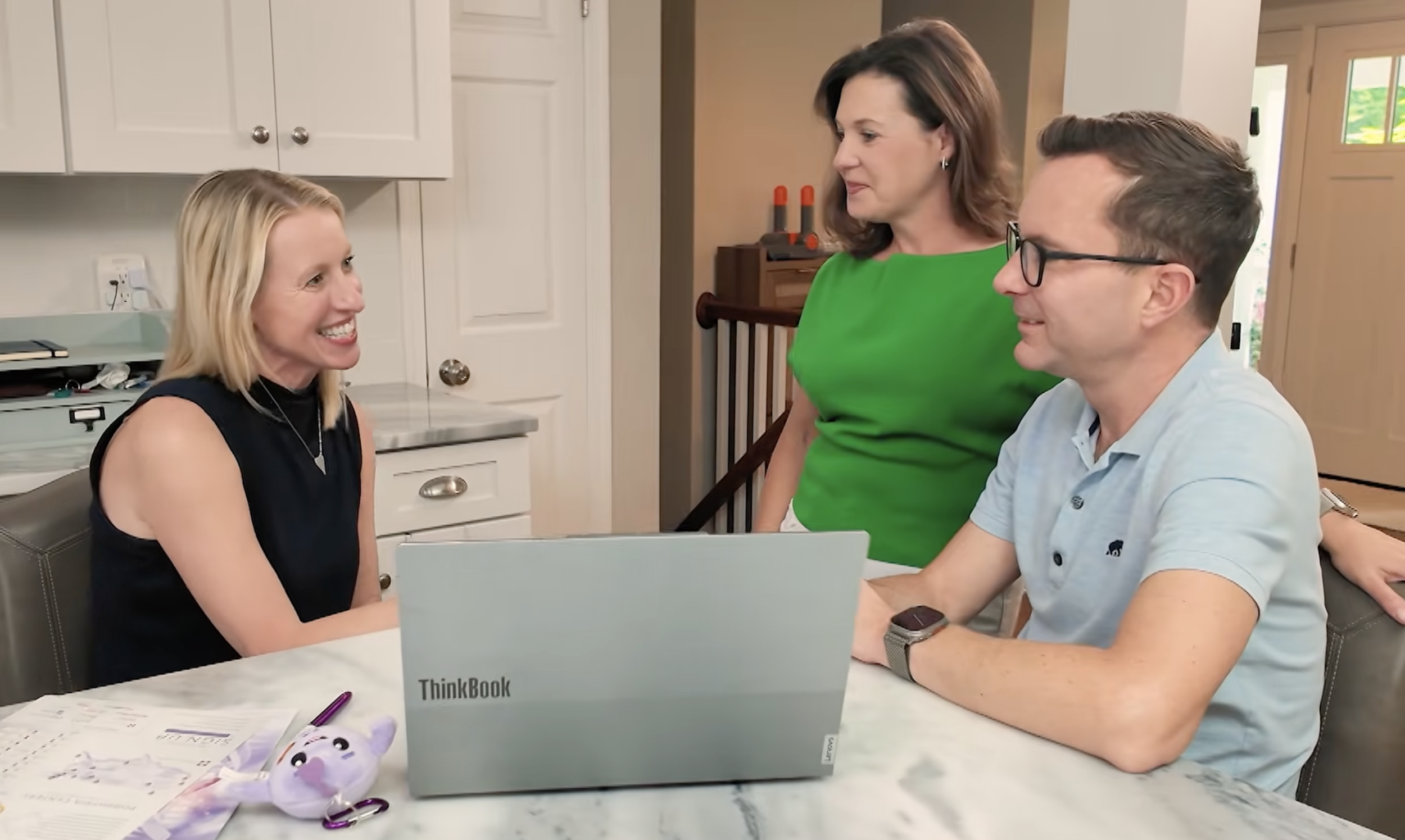
Ryan, his wife, and the United Porphyrias Association’s President, Kristen Wheeden.
I was 28 years old when I learned I had EPP.
There was relief in finally understanding what had been happening to me since childhood. But the feeling was also bittersweet. Having a name for my condition didn't make the symptoms disappear.
I still needed to cover up when I went outside. I still had to limit my exposure to sunlight. And I knew there wasn't much that could be done at the time to address the condition itself. Still, after so many years of unanswered questions, knowing what I had meant something.
One of the things I wish more people understood about EPP is that the pain doesn't necessarily stop when you get out of the sunlight. It's not as simple as stepping indoors and immediately feeling better. The burning sensation can continue for at least 24 hours, sometimes 48 hours or longer.
The pain is intense and, when it's happening, I'm just trying my best to survive it. It's difficult to explain what that feels like to someone who hasn't experienced it and because the pain often isn't visible, other people may not understand how much you're suffering.
For years, I learned to keep those feelings to myself. Even today, when I start experiencing symptoms, I still feel that instinct to hide them.
“For the first time, there was the possibility of talking to someone who actually understood what I was feeling. After spending so many years living with pain that other people couldn’t see, that possibility gave me hope.”
After finally receiving my diagnosis, I wanted to learn everything I could about EPP. The internet was becoming a place where people could find information and connect with others so I started researching. I wanted to know more about the condition, but I also had another question: Were there other people out there who had this?
I wanted to understand what was being done, what could be done, and what I could do about it. That's when I found the United Porphyrias Association (UPA). I remember telling Nichole that I'd discovered an organization dedicated to EPP.
For the first time, it was possible to talk to someone who actually understood what I was feeling. After spending so many years living with pain others couldn’t see, that possibility gave me hope.
For much of my life, I had felt like nobody around me experienced what I did. Finding out that there was a community of people living with porphyria meant I didn't have to feel quite so alone. And after more than 25 years of searching for answers, that meant a great deal to me.
Ryan’s inspiring story with EPP.
Want to share your story? Contact us at katri@porphyria.org
Meet others living with porphyria