“My hands and face were swollen, it felt like they were on fire, I could feel the tears rolling down my face like little balls of heat”
-Darlene, EPP patient.
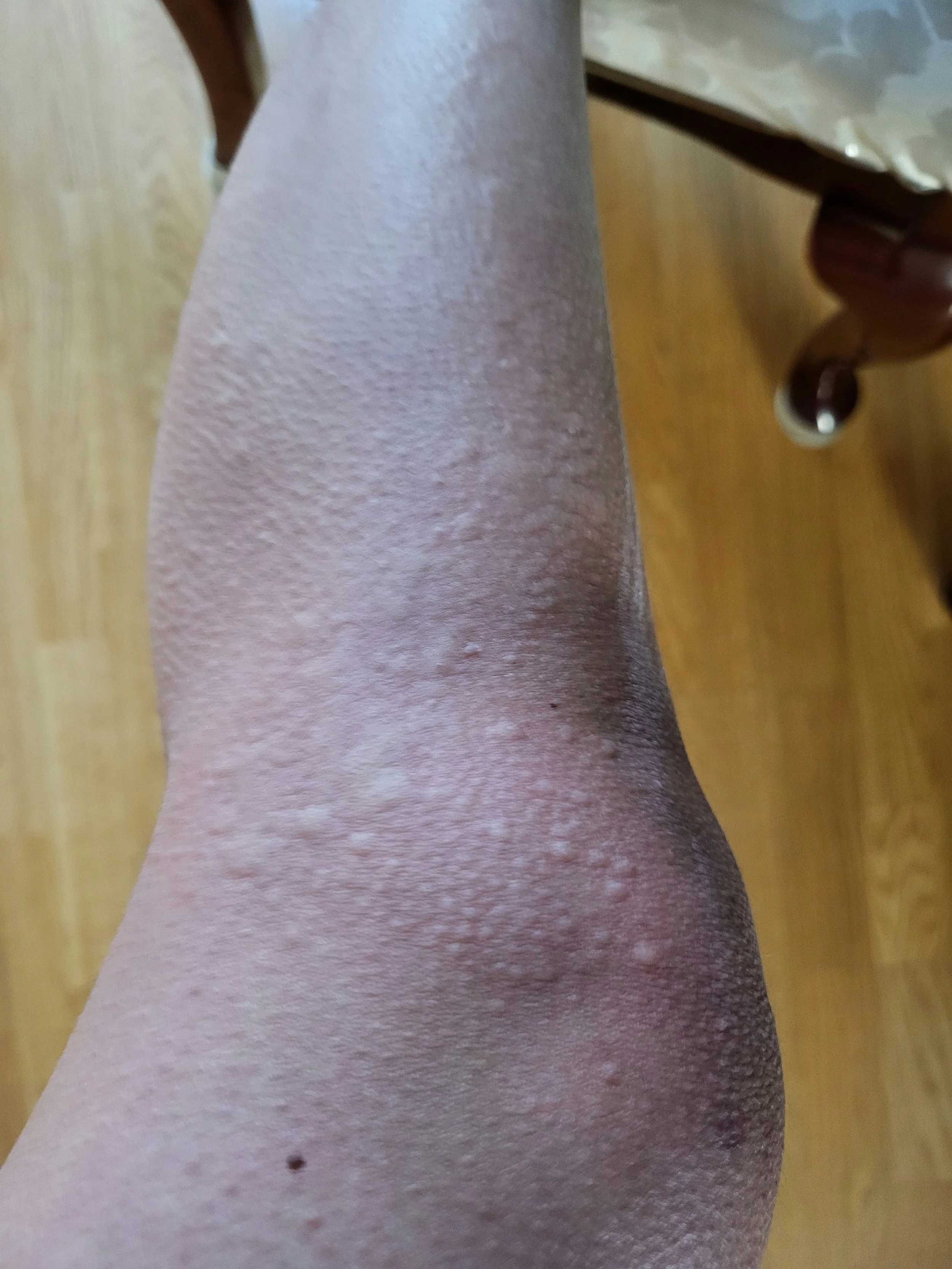
At just a few months old my parents noticed I was sensitive to the sun. I’d get red spots or blotches after only a few minutes of exposure. It wasn’t until I was eight years old, when I had my worst reaction, that my parents could no longer think it was a simple sun sensitivity. My hands and face were swollen and felt like they were on fire, I could feel the tears rolling down my face like little balls of heat, and over the next week or so, a lovely crust formed over my face that would have people asking if I had fallen off my bike months after it happened.
It took approximately three months of weekly bloodwork and other tests to determine I had “porphyria,” but I wasn't told which specific condition. Two decades later, I was re-diagnosed with Erythropoietic Protoporphyria (EPP).
“Knowing the diagnosis doesn’t help if the doctor sitting in front of you does not have knowledge of the condition or doesn’t listen.”
-Darlene, EPP patient.
Like many porphyria patients, finding a knowledgeable doctor is a challenge, and knowing the diagnosis doesn’t help if the doctor sitting in front of you does not have knowledge of the condition or doesn’t listen. Here are a few of my memorable encounters as an adult:
A couple of doctors commented along the lines of, “I remember hearing about porphyria in medical school” (neither one was a recent graduate).
One doctor retreated to his office and returned with a very large (the size of his torso) medical dictionary.
Upon a visit to the emergency room for stitches, I immediately informed the nurse, wrote on my admission paperwork, and told the doctor, “I have porphyria, please do not use surgical lamps.” Immediately, a surgical lamp was turned on to begin stitching, and prodromal symptoms began (the surrounding skin began to itch).
Another doctor was willing to do research on the condition, admitting she knew little about it, but before my next visit, I found a porphyria specialist, and the doctor billed me a few hundred dollars for the consultation visit.
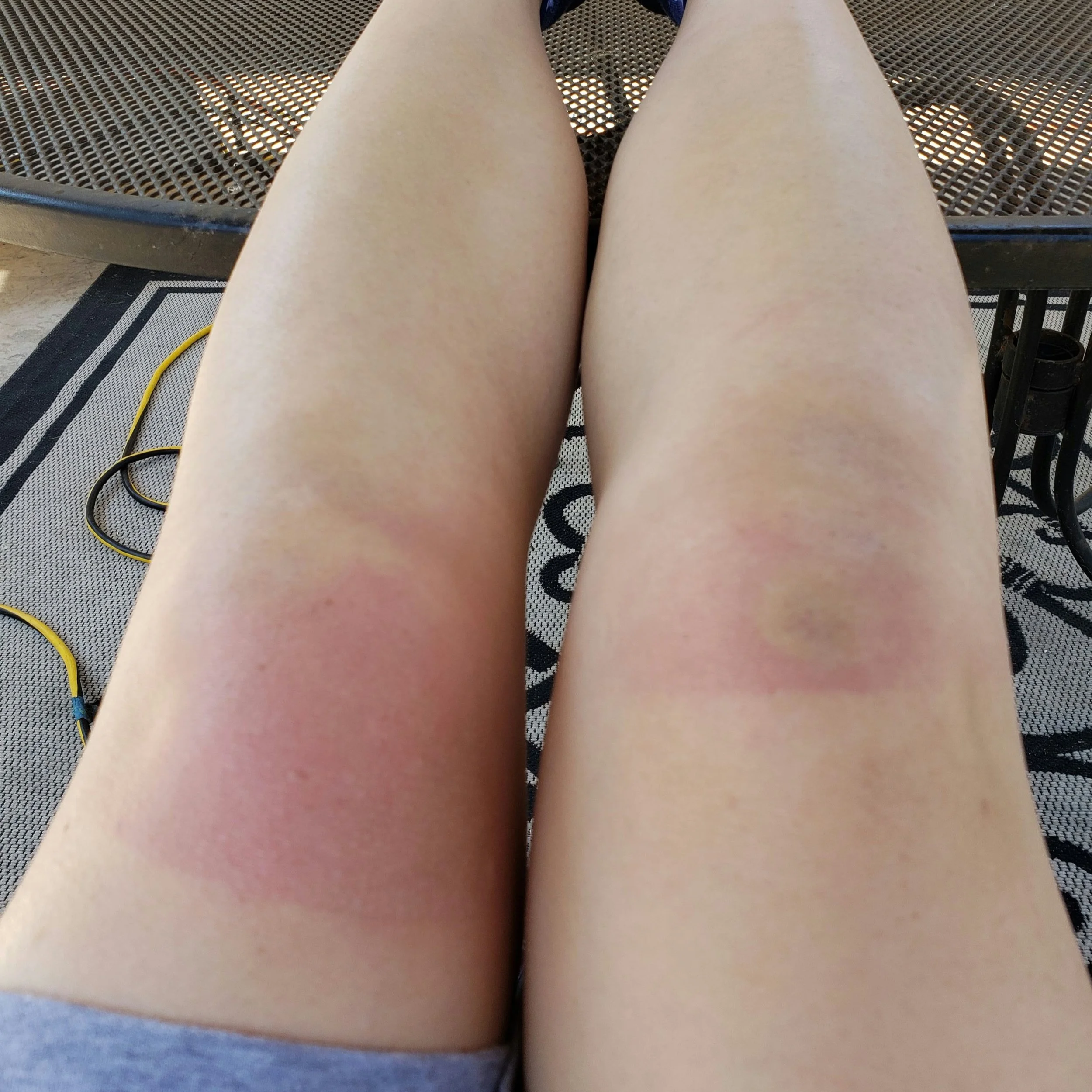
Darlene’s reaction to three minutes of sun exposure.
As any kid/teenager does, I tested my limits with how long I could be in the sun. None of the exposures were as severe as the one that led to a diagnosis, but I had my fair share of swollen faces, hands, and feet, with the pain of being on fire that lasted days and could only be comforted with nonstop ice packs.
I believe my parents got very little medical guidance from doctors and had no way to connect with a porphyria community, so I am very grateful to them for instilling two lessons regarding this condition: (1) what I have is rare, and it can be bad, but others have it worse, and (2) this condition is mine, mine alone—I would need to learn to protect myself because no one else will—I need to be my own advocate for my own health.
Into my twenties and thirties, I’ve appreciated the world becoming more aware of UV-protective clothing and sun-protective gear such as umbrellas and gloves because, without medical assistance, I can last about 30 seconds to 2 minutes in the sun without prodromal symptoms. Indirect sunlight (such as reflective light from windows or buildings) becomes problematic over time, as well.
As I entered my forties, the unimaginable happened: new medication and drug studies! I am currently participating in the dersimelagon Phase 3 trials, and it has changed my daily life. I no longer need to wear gloves every. single. time. I drive. I no longer have to put on shoes or socks to throw out the trash. I no longer have to walk quickly from one patch of shade to the next.
I can freely walk my dog an hour before sunset, I can drive for about 10 minutes during the summer without wearing long sleeves, gloves, and something to protect my face and neck, and on a daily basis, I can function as close to what I imagine normal is like.
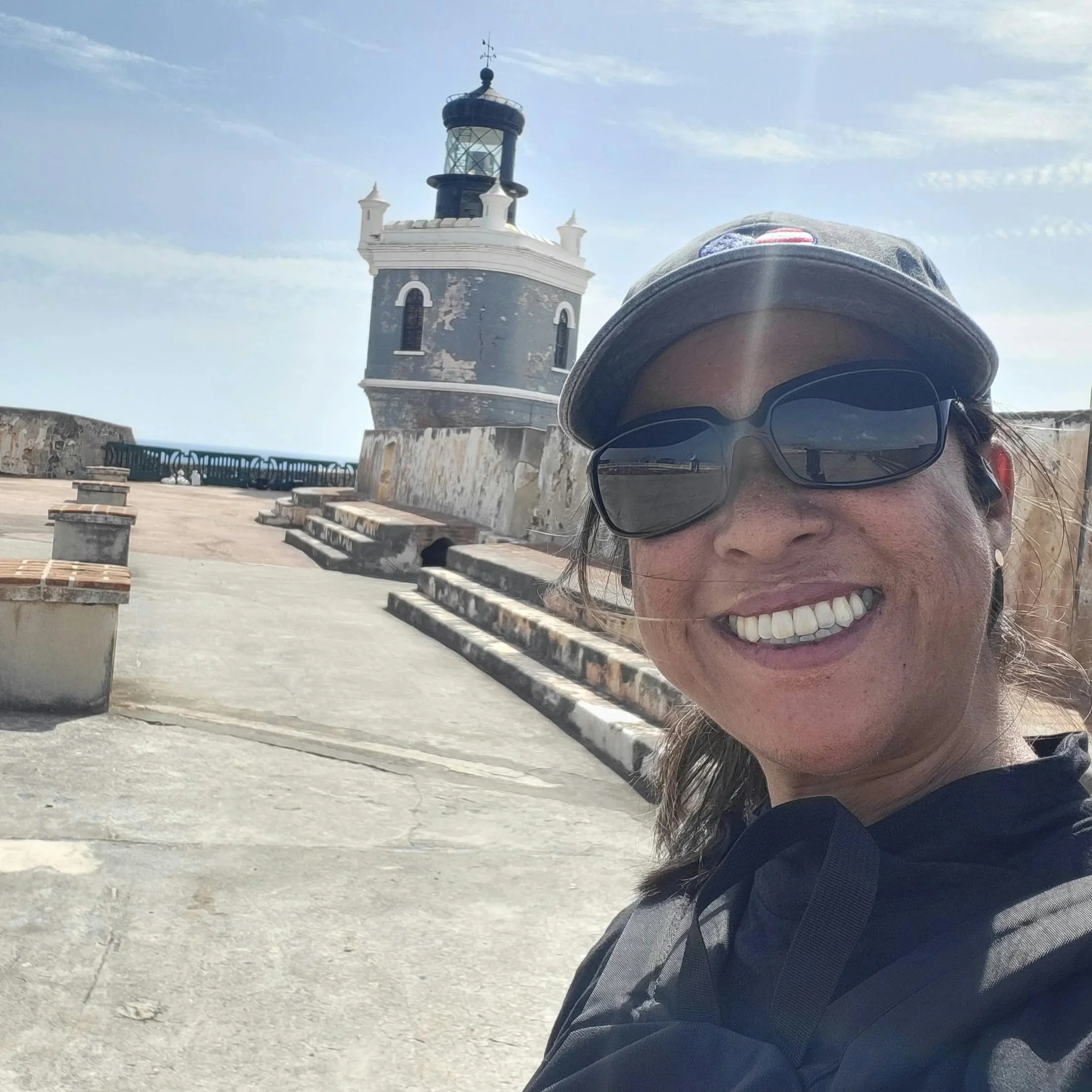
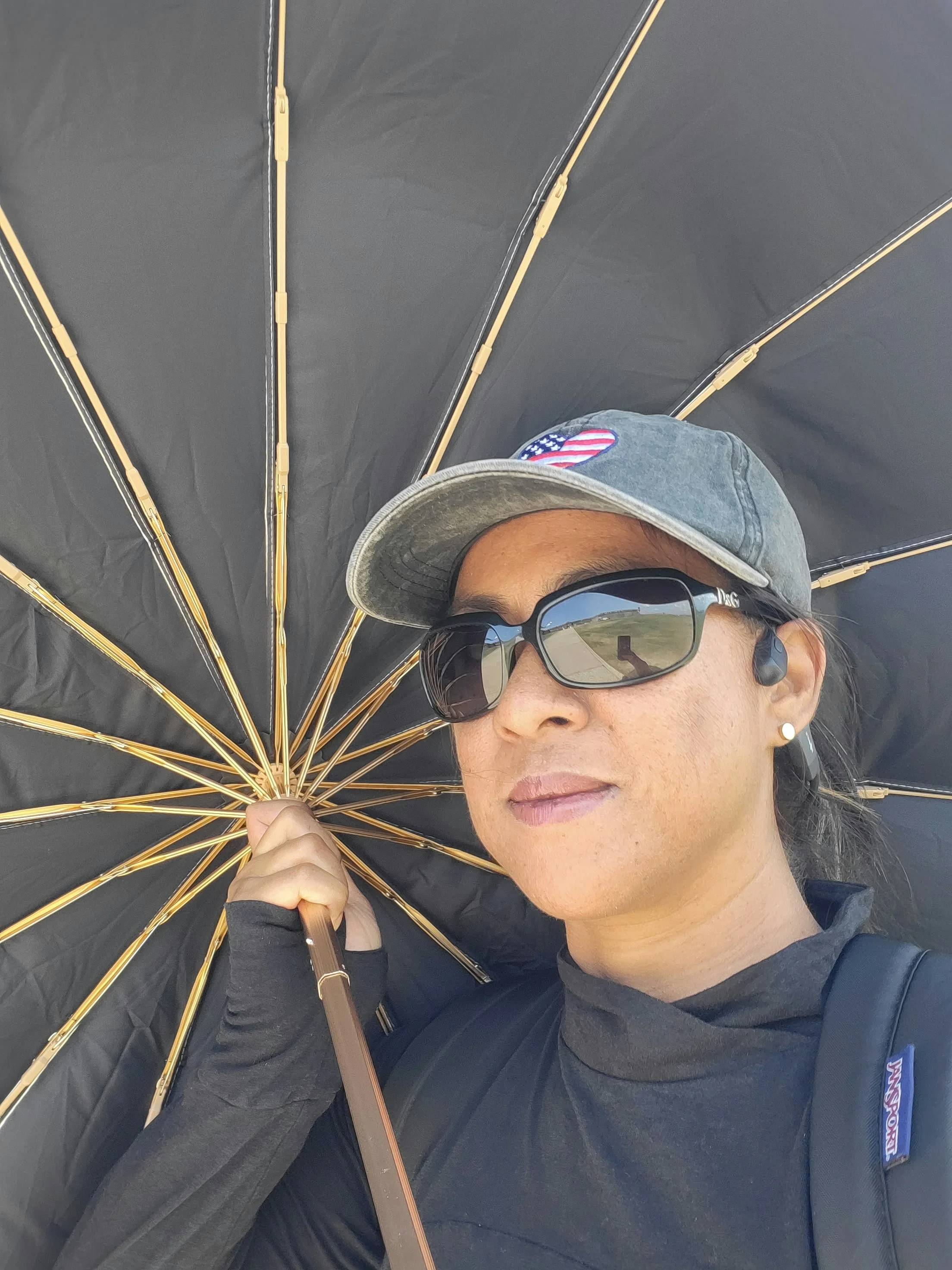
Darlene enjoying outdoors.
Regarding long-term sun exposure, such as a day in the park or going to Disneyland, I still wear sun-protective clothing from head to toe (gloves, a mask, a hat, long sleeves, pants, sneakers, and an umbrella). Without medication, my best hope would be to end the day with stinging on my face that would be sensitive to the touch. With medication, I can sense prodromal symptoms before they get to this point, and I can take the appropriate precautions to prevent the symptoms from worsening.
Is this a rare and challenging condition? Yes… and no. I’ve had this condition my entire life, so to me, it’s just my life. With new drugs available and others underway, I’m excited for what’s ahead.
Years ago, when I found a porphyria-knowledgeable doctor and learned the medication available in 2010 was what I was prescribed in the 1980s, I had no hope there would be any progress for this condition in my lifetime. But there has been progress, and it’s amazing!
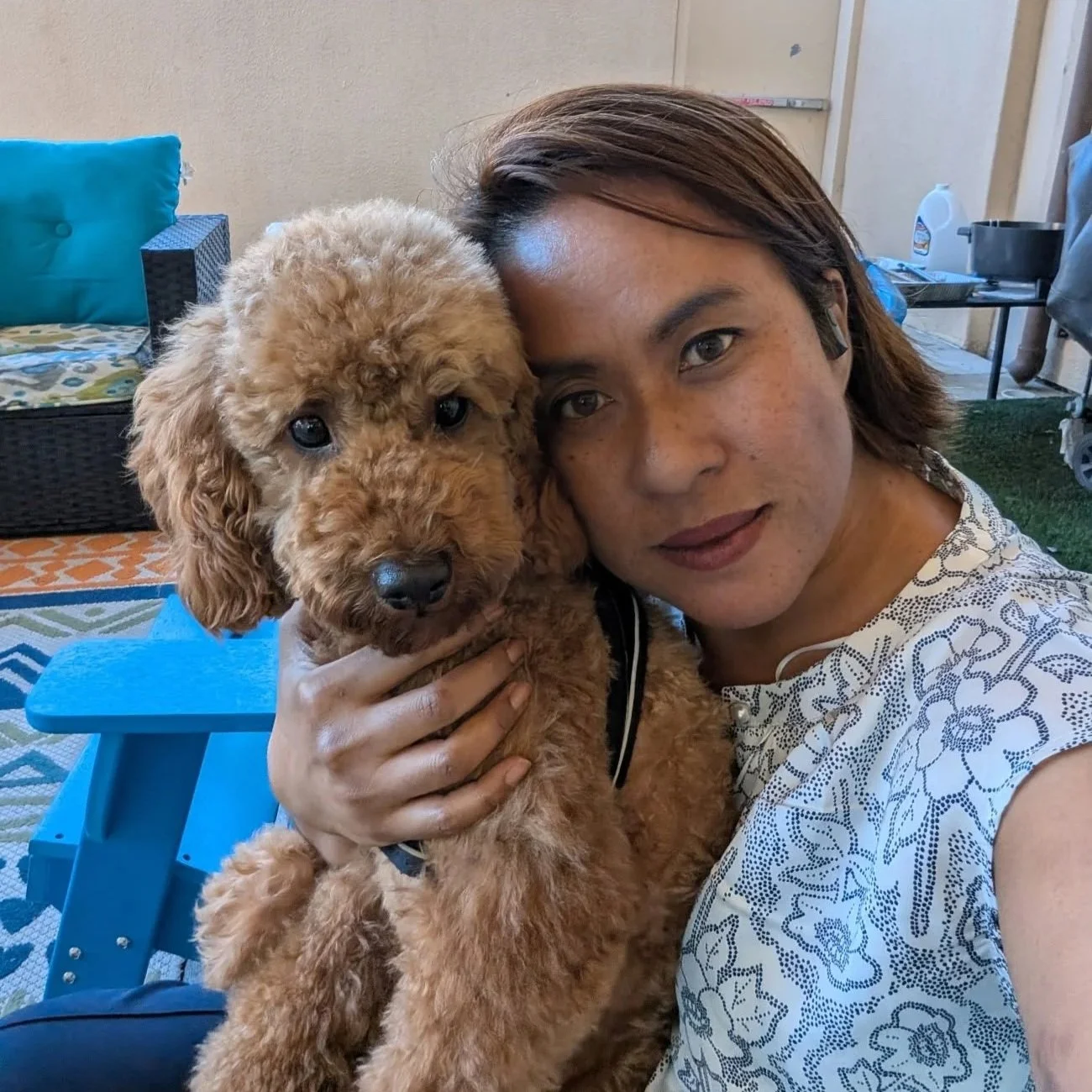
Darlene’s dog nephew, Mocha.
The other wonderful thing about this condition, as with any unique characteristic of someone’s life, is that it weeds out people I wouldn’t want in my life. If you judge me because I cannot go to the beach due to a medical condition, then I don’t want you in my life: goodbye and good riddance.
“Those who have accepted me as I am, vampire condition and all, I have a level of appreciation for them that I don’t know if I would have without having this condition.”
Kudos and thanks cannot be expressed enough to our caretakers, families, friends, and loved ones who try their best to understand this condition that is beyond a “bad sunburn” and have been more than supportive during the dersimelagon trial.
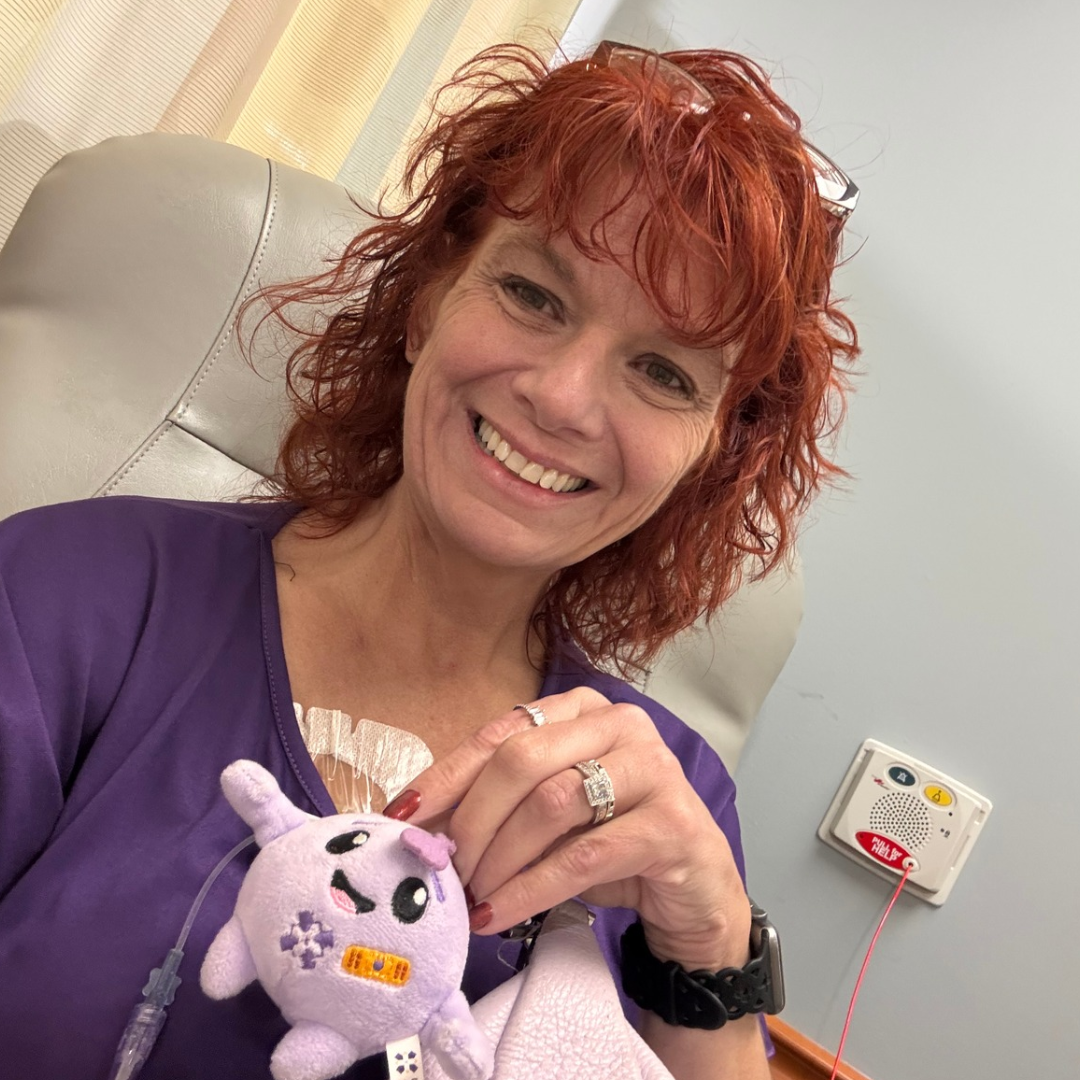
Darlene’s inspiring story with EPP.
Want to share your story? Contact us at katri@porphyria.org
Meet others living with porphyria