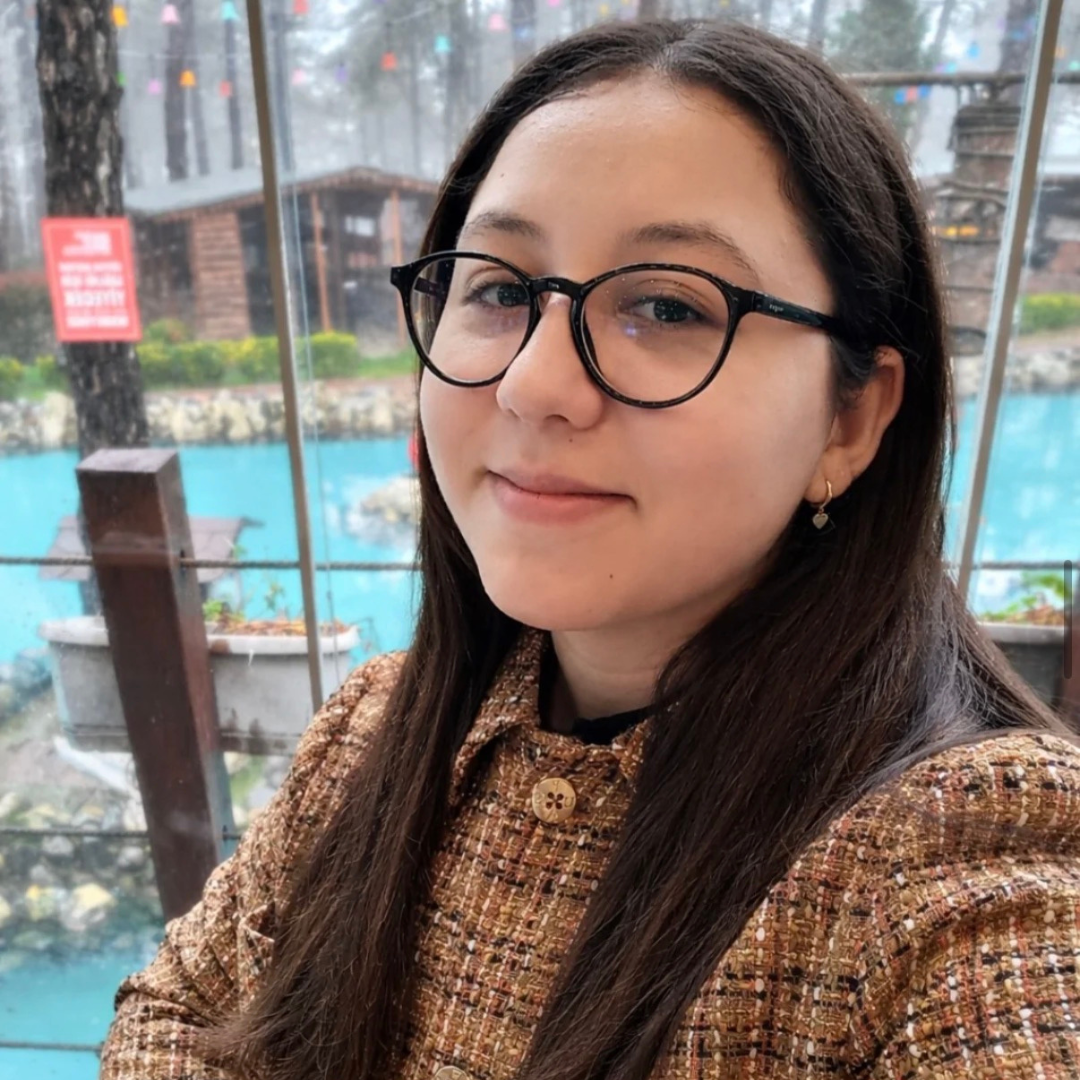
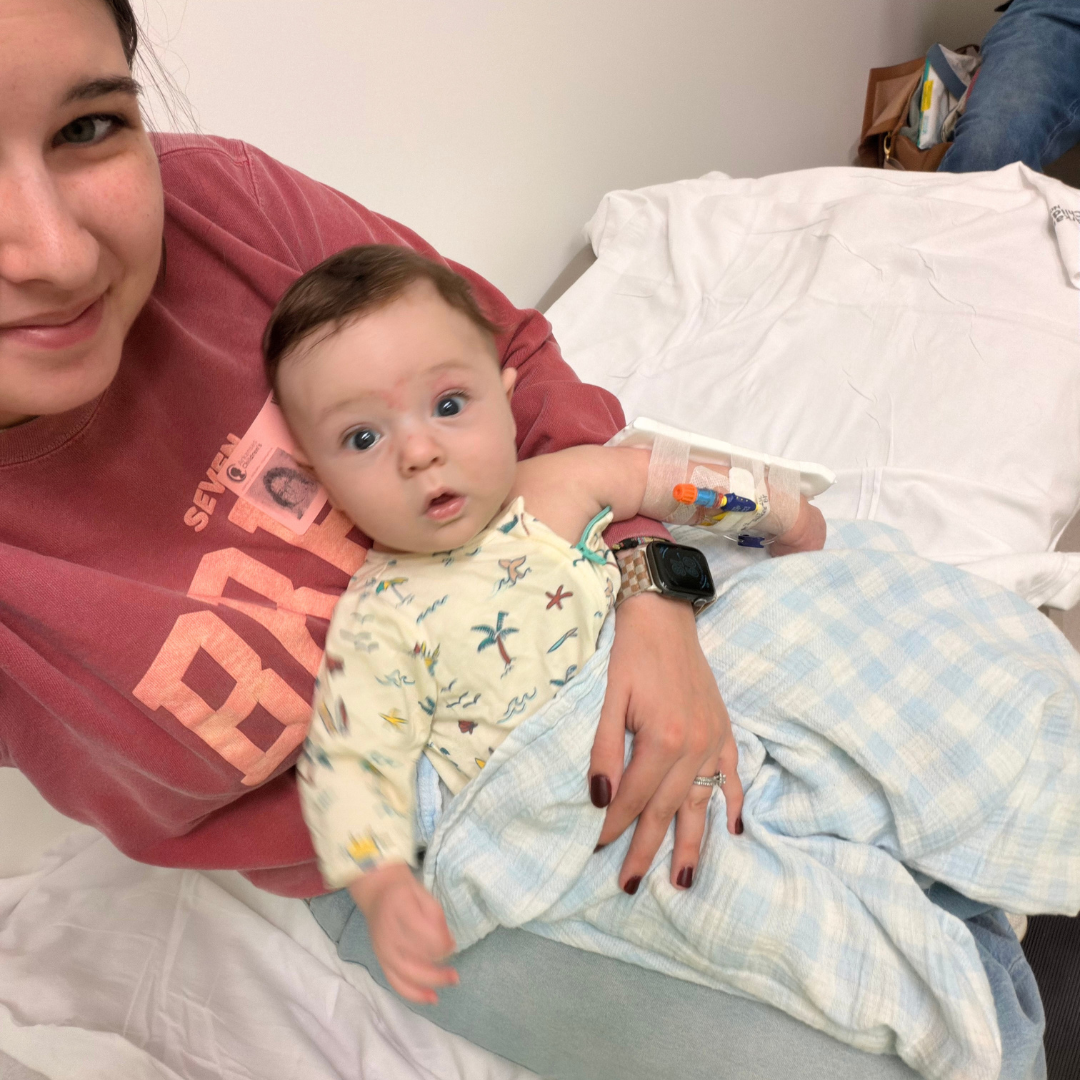
Meet Kasey, CEP Warrior
"By my freshman year of high school, I’d undergone 13 surgeries and sustained eight broken bones. "
-Kasey, CEP patient.
After being evaluated by numerous doctors and undergoing genetic testing, I was diagnosed with Congenital Erythropoietic Porphyria (CEP) at just three weeks old. From that moment through my freshman year of high school, I underwent 13 surgeries and suffered eight broken bones. Many of these surgeries, primarily skin grafts, were done every other year to help damaged skin keep up with my growing body.
My mental health was impacted the most during primary schooling and then again during college. I was expected to navigate the so-called best years of my life, while balancing a liver diagnosis. At one point, my supervisor suggested I wear one of the beach umbrella hats that have elastic to wear every day.
UV filters have or had to be installed over my home and classroom windows, as well as the fluorescent lights. I couldn’t participate in recess, field days, or any other outdoor activities.
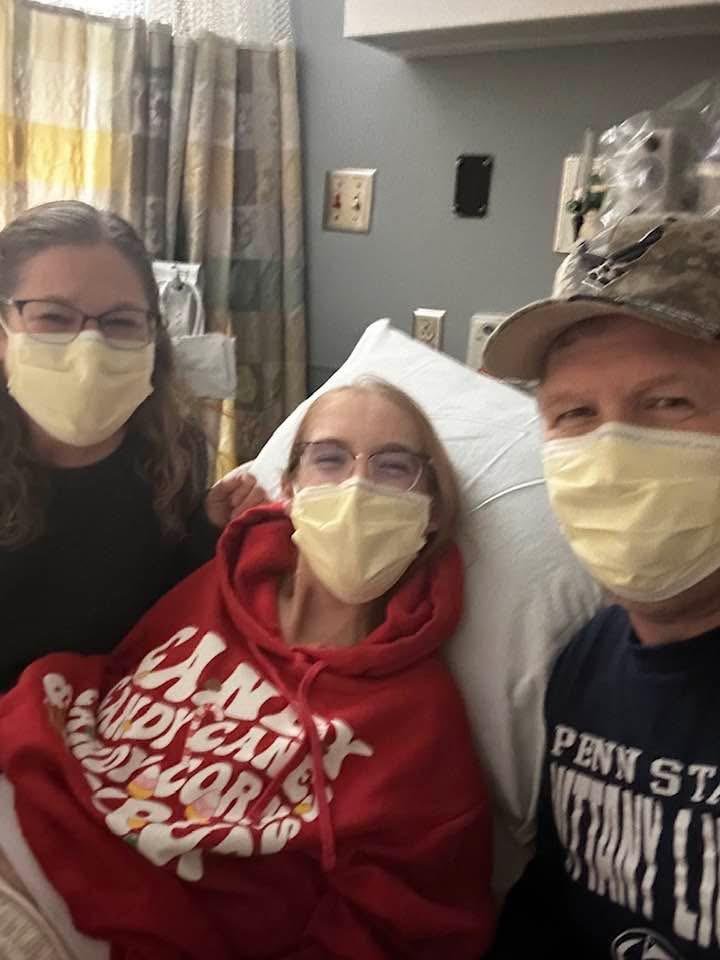
“UV filters have or had to be installed over my home and classroom windows, as well as the fluorescent lights”
-Kasey, CEP patient.
After that period, my condition was relatively stable until just before my 21st birthday, when I was diagnosed with liver failure. Following additional genetic testing, the National Institutes of Health concluded that the most evidence-based cause was CEP. I went on to visit multiple hospitals and underwent paracentesis every two weeks for several months.
Then came college. During my first semester, I developed a serious infection from a blister on my leg simply from walking to class. I couldn’t participate in sporting events with my friends, lectures that were held outside, any social gatherings that were outside, etc.
Shortly after graduating college, I faced even more procedures and began an extensive pre-evaluation process for a possible liver transplant. This included full-body imaging such as MRIs and CT scans, stress tests, pulmonary function tests, and many others.
In November 2023, I was fortunate enough to receive a liver transplant at the University of Pittsburgh Medical Center. I temporarily lived in Pittsburgh for about six weeks for close monitoring before returning home to central Pennsylvania just before Christmas.
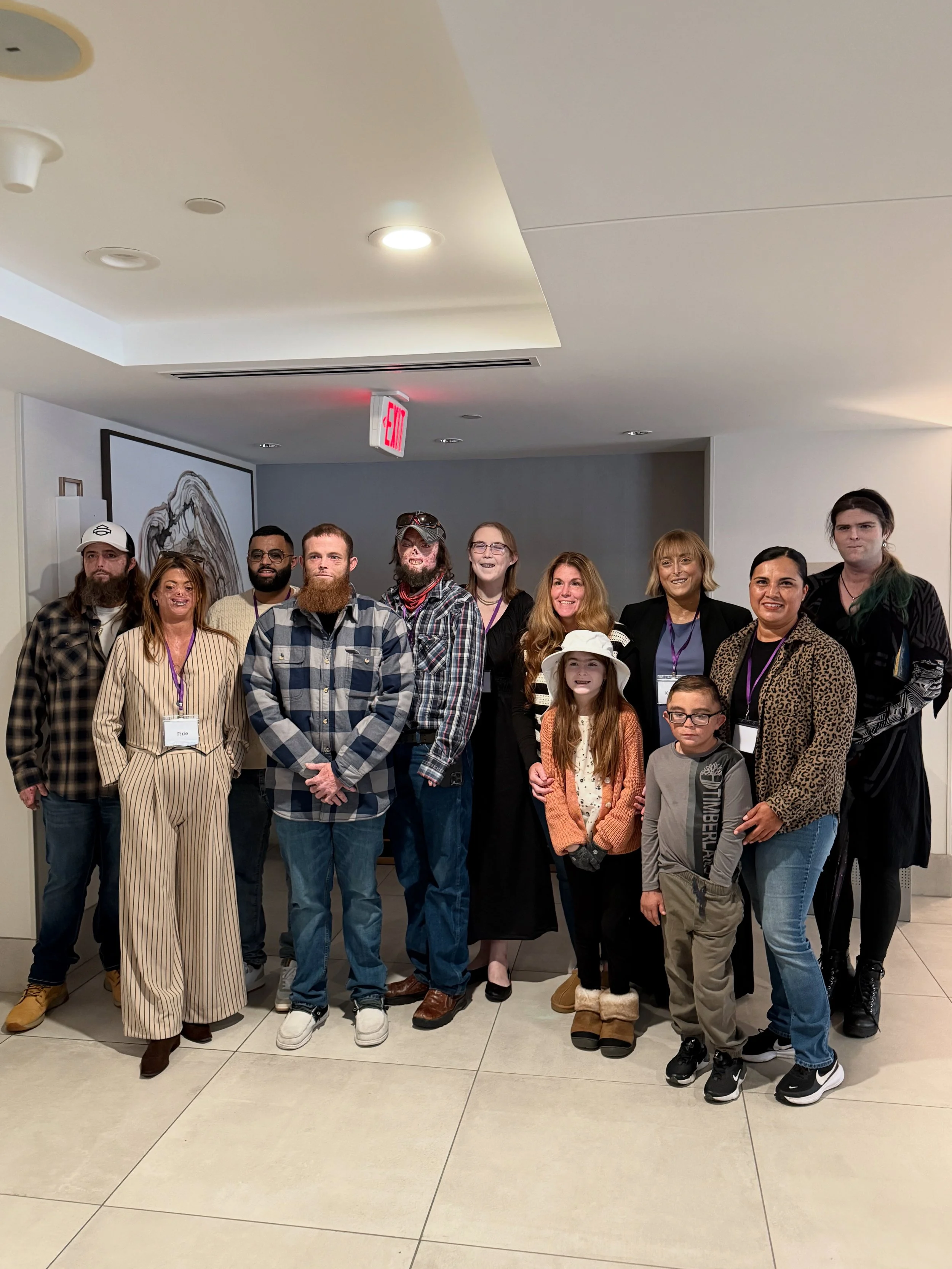
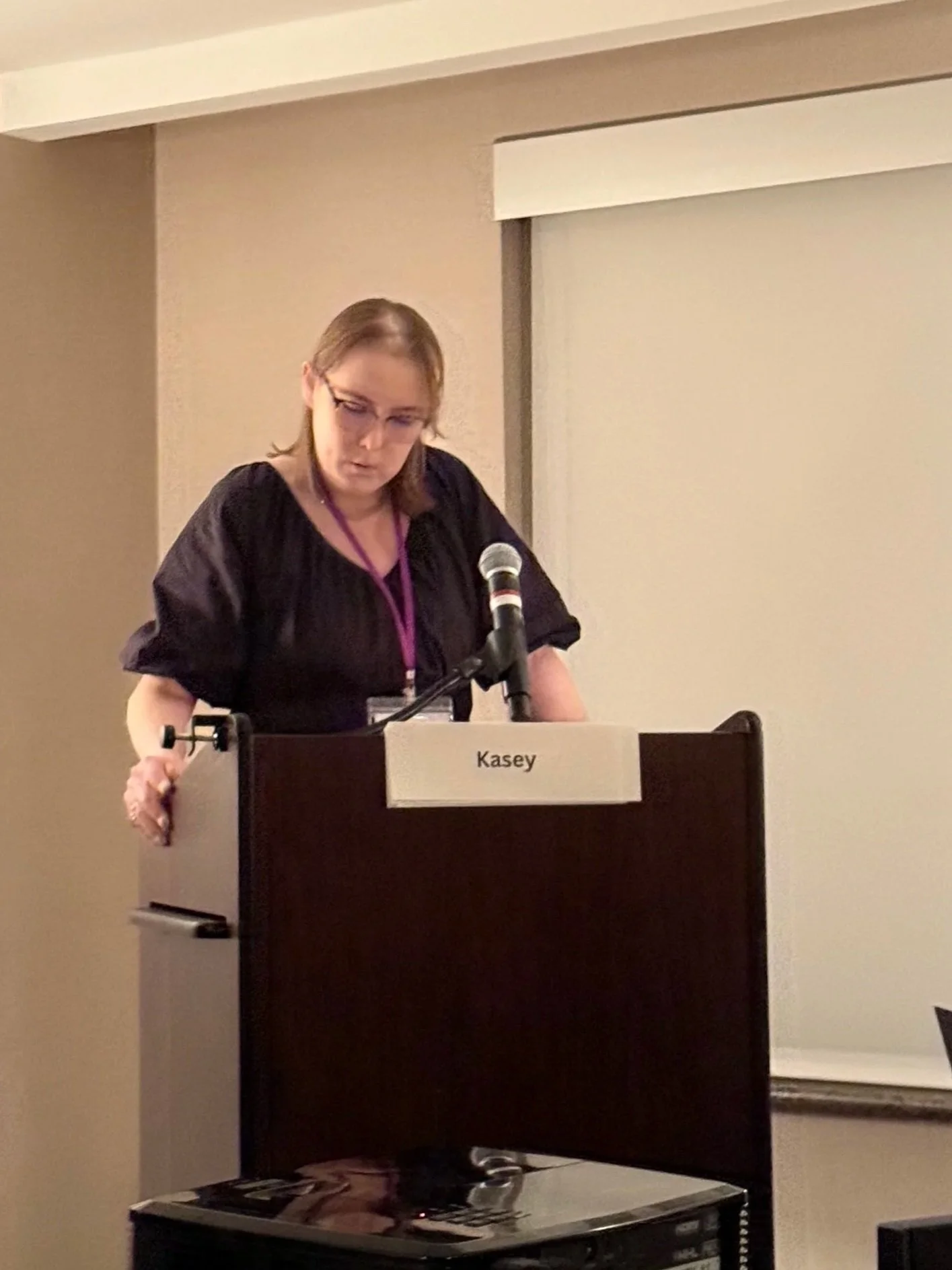
Kasey with fellow CEP patients during their first-ever gathering in Washington, brought together by the United Porphyrias Association.
I am scared to become blind from CEP. It also causes me to have extremely sensitive skin that tears when brushed against the wall the wrong way.
As a teacher, the windows and lights in my classroom have to be filtered, and I have to ensure an extra umbrella is placed in the emergency bag, in case I have to exit the school quickly and as well as have to Uber or drive from school since I’m not able to spend any time outside to walk.
When it is absolutely necessary to go outside, I have to wear protective gear, including a special pair of UV-blocking gloves, a jacket, umbrella, and pants. My hair and teeth are also impacted. And because of the rarity of CEP, there haven’t been any new treatments offered to me, with the only cure being the stem cell transplant which my doctors deem too risky. So yes, it is a lot, but that is the reality of living with CEP.
Now, a little over two years post-transplant, UPMC continues to monitor my health through monthly lab work and periodic clinic visits. I’m thankful to my donor, and the medical teams that have and continue to support and care for me, and I’m hopeful for increased solutions and treatments in the future.
“I’m hopeful for continued treatments and maybe, just maybe less umbrella hats recommendations in the future”
Kasey’s inspiring story.
Want to share your story? Contact us at katri@porphyria.org
Meet others living with porphyria