Meet Sneha, VP Warrior
Curated by Katrina Parra
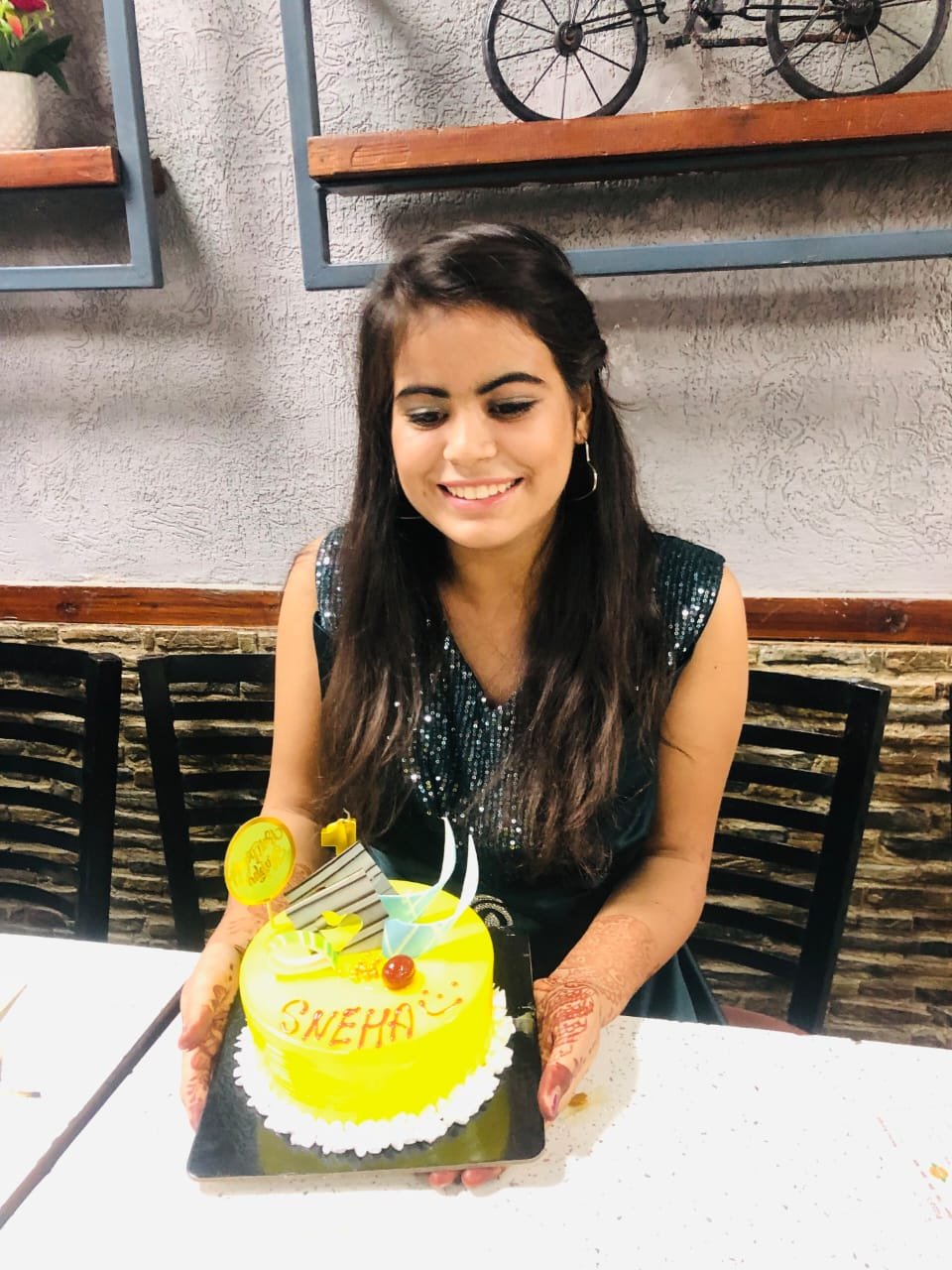
“It made my skin so sensitive the first layer of skin is removed very easily from just doing chores.”
Sneha, VP patient.
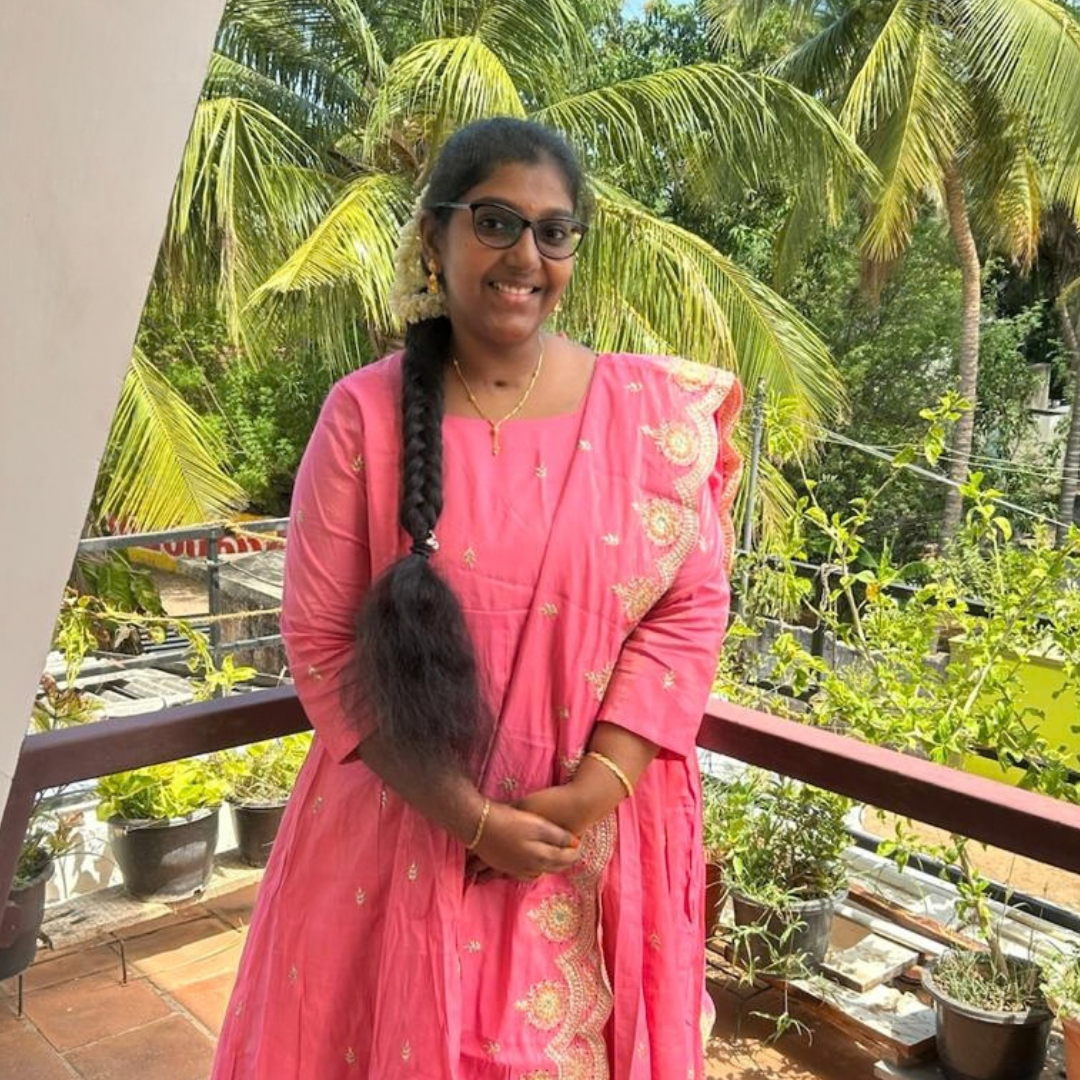
In the vibrant state of Punjab, India, where the sun is a constant companion, 18-year-old Sneha lives in the shadows. Her enemy is not visible to the naked eye; it is a rare genetic disorder that turns sunlight into a source of pain and her own body into a fragile vessel. This is her life with Variegate Porphyria (VP).
Sneha’s symptoms began at the age of 15, but the answers she desperately needed would not come for two more years. “I am suffering this from age of 15 but had diagnosis at age of 17. I am now 18 years old,” she shares. That period of unknown was dangerous. Unaware of her extreme photosensitivity, a hallmark of VP, she was unprotected. The sun’s rays caused severe damage. “Due to late diagnosis I did not know I had photo sensitivity. It made my skin so sensitive the first layer of skin is removed very easily from just doing chores. I am having blisters a lot.”
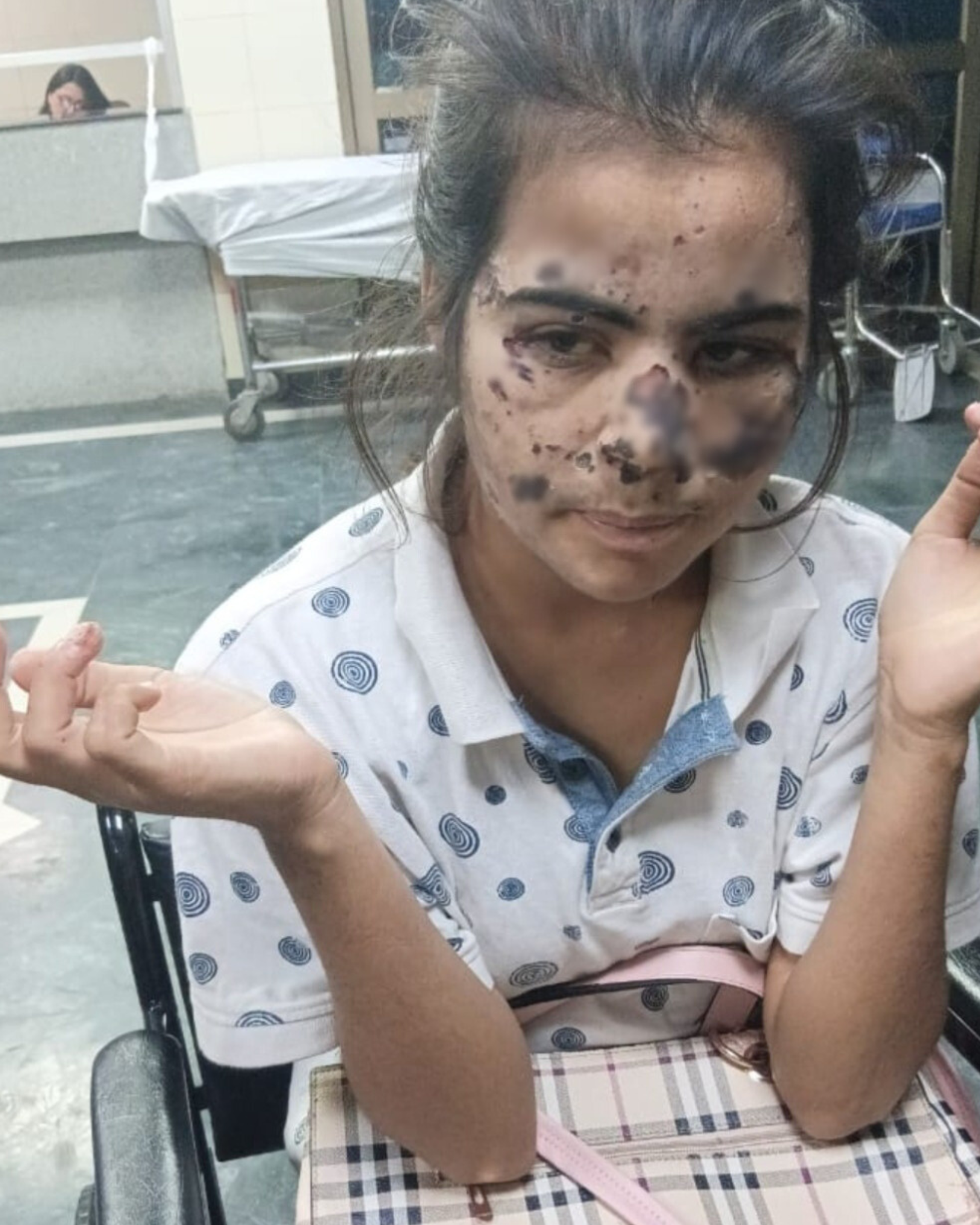
“Last September my blood pressure dropped to 30, which made my condition worse”
Sneha, VP patient.
Understanding Variegate Porphyria
Variegate Porphyria is one of the acute hepatic porphyrias. It results from a deficiency of the enzyme protoporphyrinogen oxidase. This deficiency leads to the accumulation of porphyrin precursors, which can cause two main types of problems:
Acute Neurovisceral Attacks: These are severe episodes that affect the nervous system. Symptoms can include severe abdominal pain, nausea, vomiting, rapid heart rate, hypertension, muscle weakness, and, in severe cases, seizures and respiratory paralysis. These attacks can be triggered by certain drugs, hormones, fasting, stress, or infections.
Cutaneous (Skin) Symptoms: VP uniquely causes skin fragility and blistering on sun-exposed areas (like the hands and face). This is because accumulated porphyrins in the skin react to sunlight, causing damage.
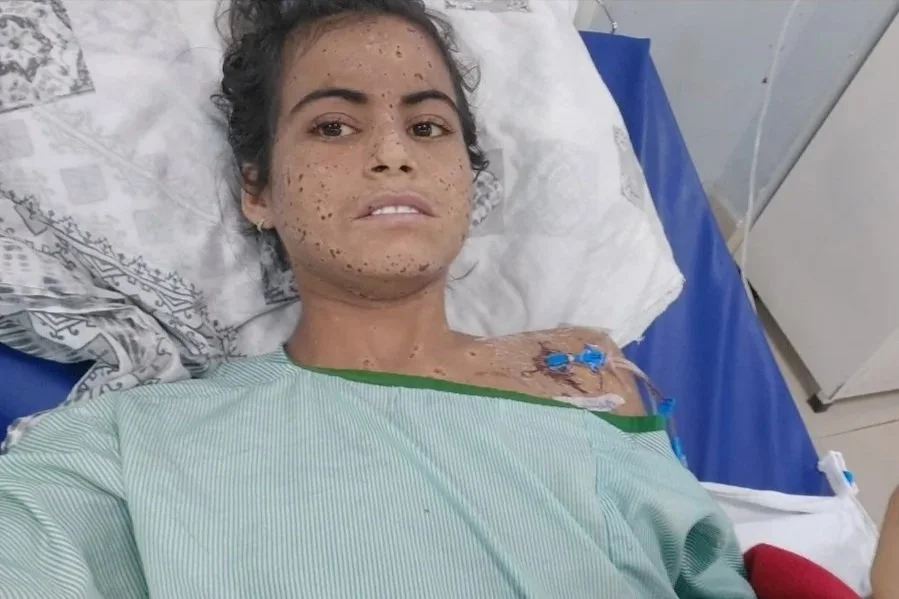
Sneha at the hospital.
For Sneha, VP has been a multi-system assault. The acute attacks have brought her to the brink. “Last September my blood pressure dropped to 30, which made my condition worse,” she states, a terrifying scenario indicating a severe autonomic nervous system crisis. Her body has faced multiple onslaughts: a blockage of the small intestine, increased liver enzymes (ALT/AST), and kidney stones, all complications that can be associated with the metabolic turmoil of porphyria.
Perhaps one of her biggest challenges is the lack of awareness in her medical community. “In India, doctors don’t know much about this,” Sneha says simply, echoing the experience of countless rare disease patients worldwide. This knowledge gap leads to delayed diagnosis, inappropriate treatments, and profound isolation for patients.
Sneha’s story is not just one of suffering; it is one of immense courage. At 18, she carries a wisdom about her body and resilience that belies her years. She continues her fight every day. She navigates a world not designed for her sensitivity, advocates for herself in medical settings, and manages pain and fragility that most cannot see. Her story is a powerful reminder of the thousands battling invisible, rare conditions. By listening, learning, and spreading awareness, we can help bring their struggles into the light. The kind of light that heals, not harms.
Want to share your story? Contact us at katri@porphyria.org
Meet others living with porphyria