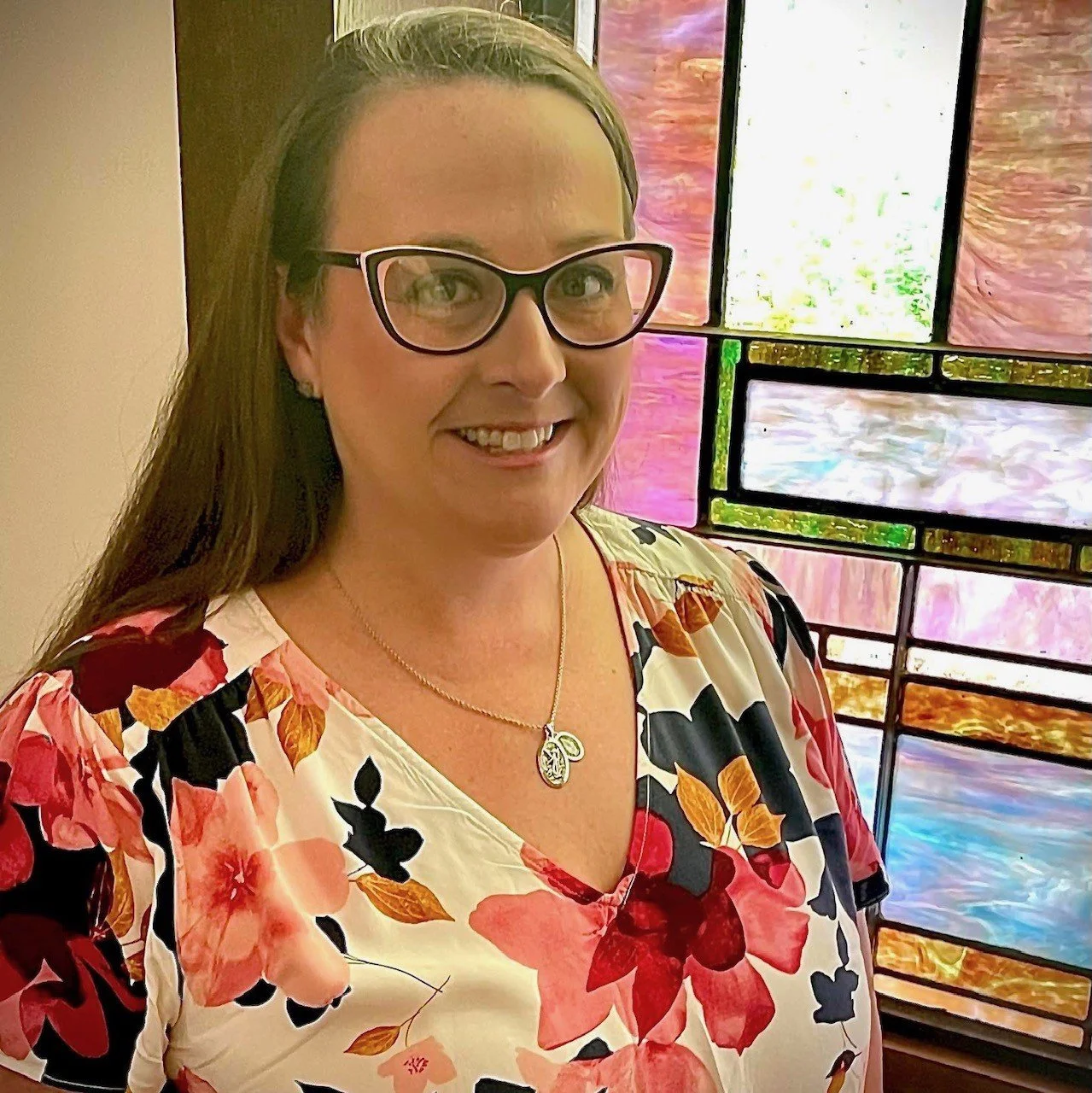
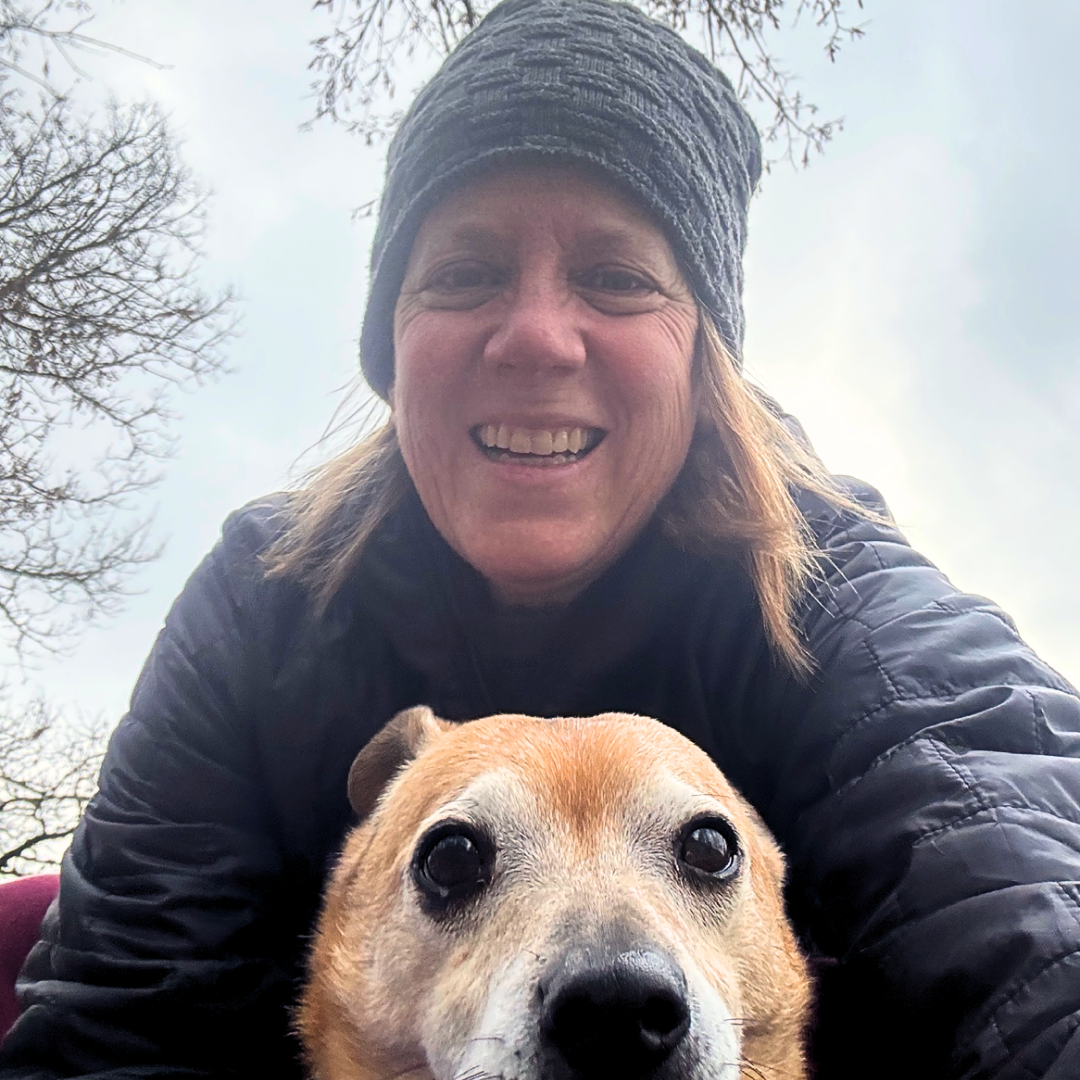
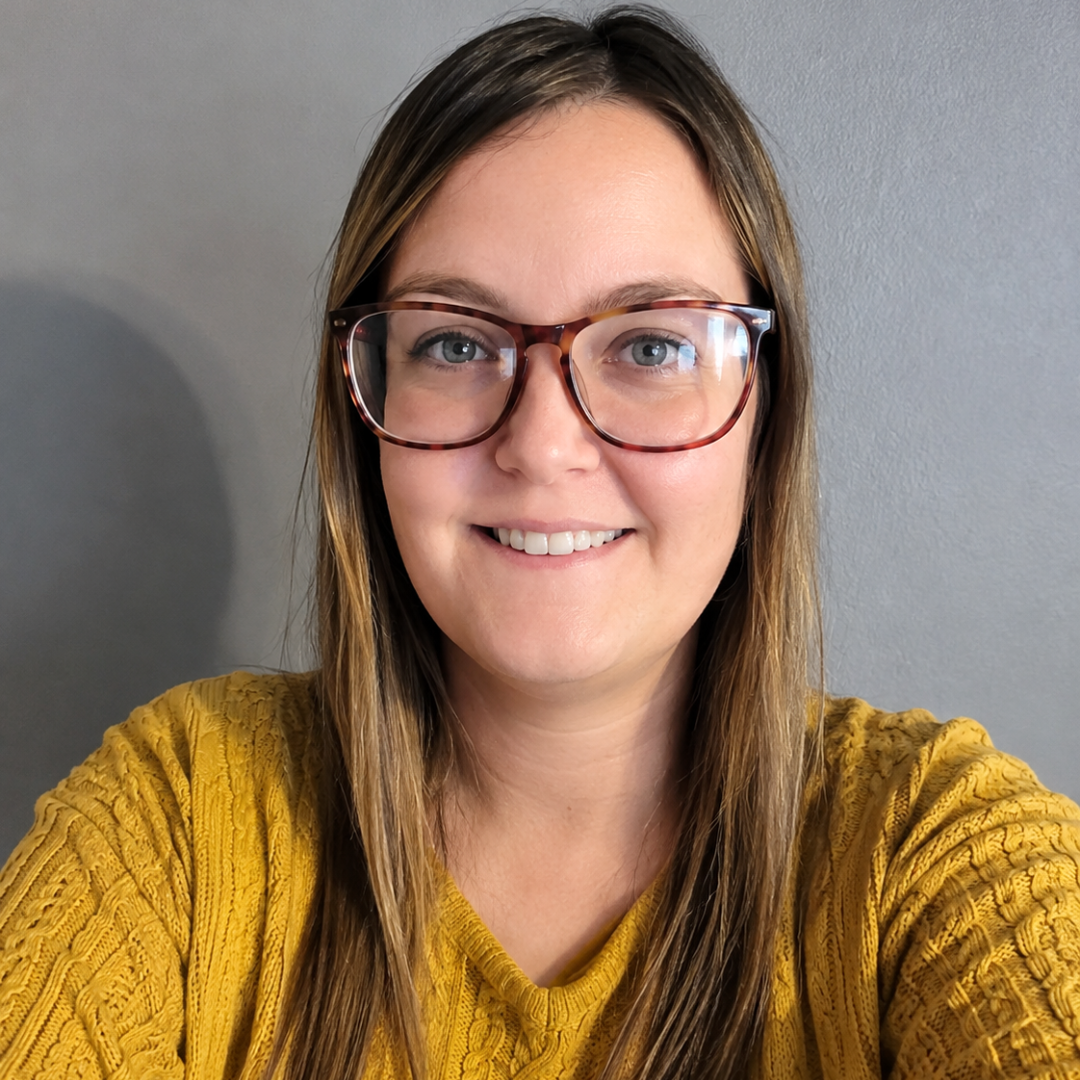
Meet Jennifer, Porphyria Warrior
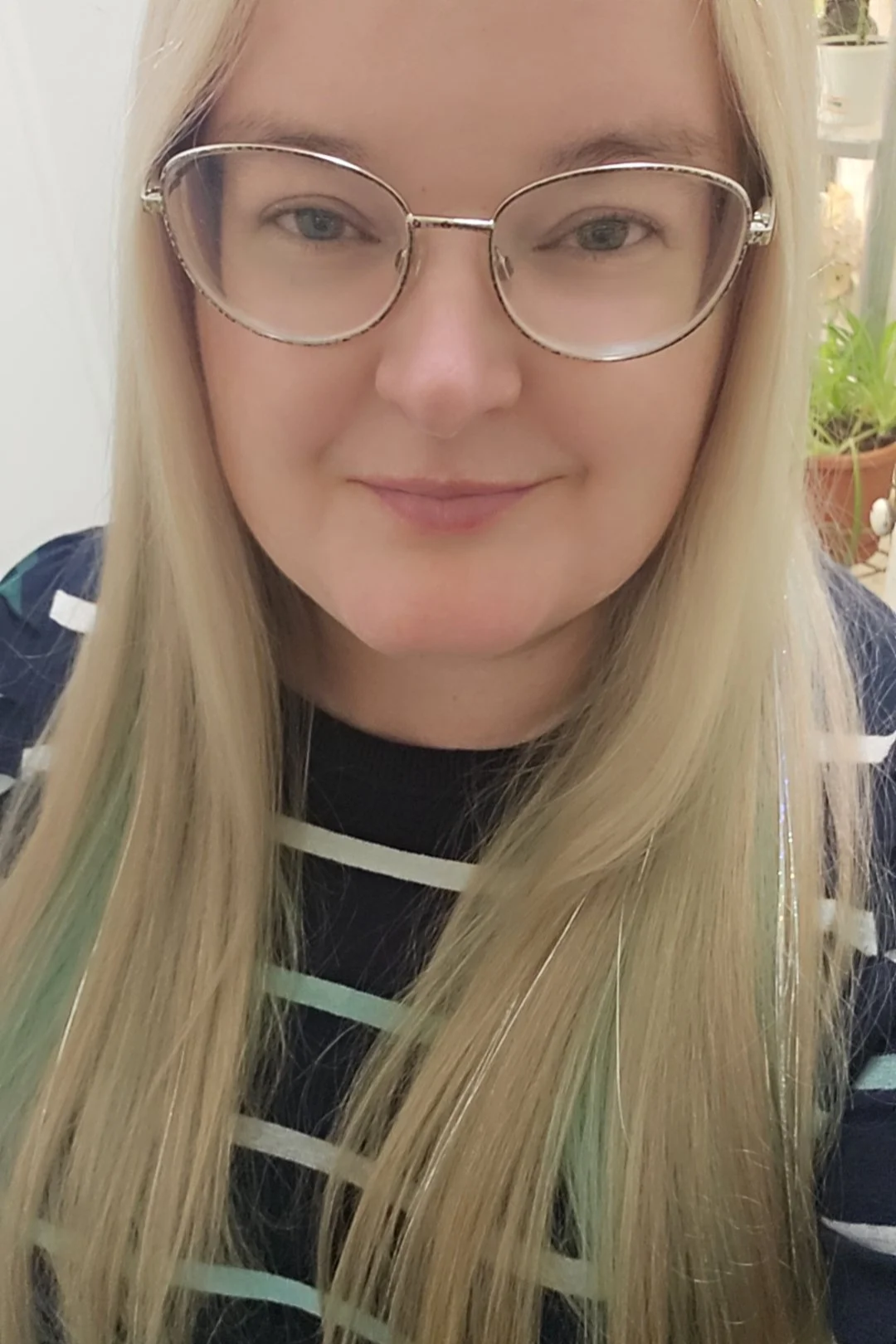
"Porphyria doesn’t just affect health—it reshapes daily life in ways most people never have to think about."
-Jennifer.
My name is Jennifer, and I live with porphyria—a rare disease that affects how my body processes light. Alongside other chronic health conditions, it has shaped how I experience the world in deeply personal ways, especially visually.
People often ask me, “How do you do it?”
And the honest answer is: I do it the same way many people living with chronic illness do it—with support, adaptation, learning my body, and choosing what I can control.
For a long time, I tried very hard to be what society considers normal. I pushed through discomfort and pain because that’s what we’re taught to do—to minimize, to adapt quietly, and to keep up, even when our bodies are struggling.
Early on, I was told I had lupus-related photosensitivity. Later came additional diagnoses. I won’t focus on labels here, because what matters most is the lived experience: when light hurts, it affects everything.
How you enjoy movies and television.
How you tolerate screens and headlights.
How you work, cook, edit photos, scroll on your phone, or exist under artificial lighting.
Porphyria doesn’t just affect health—it reshapes daily life in ways most people never have to think about.
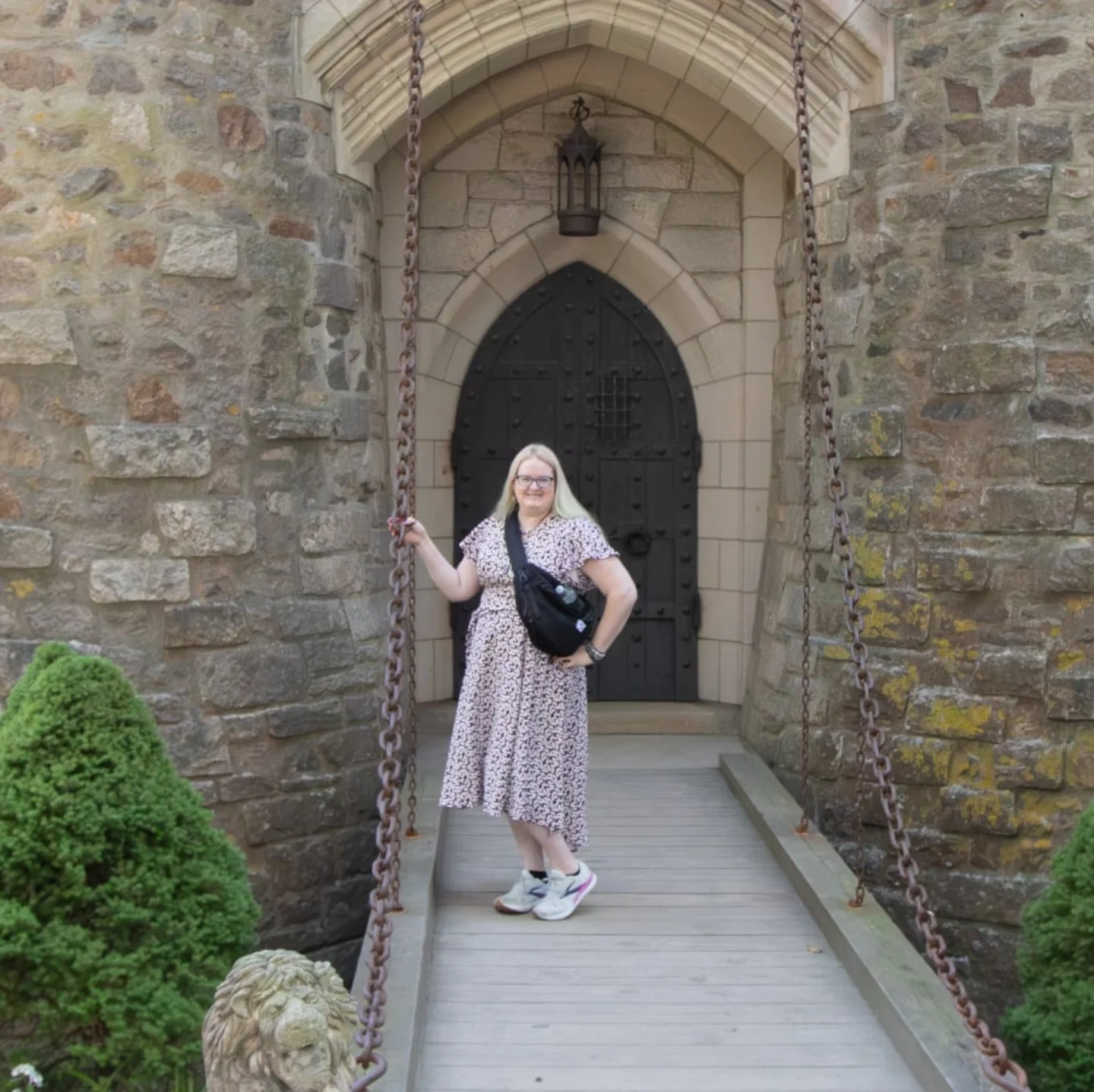
“When you’re very sick for a long time, parts of who you were don’t survive it. They fall away. And something new takes their place.”
-Jennifer.
When I was at my sickest with my conditions, I was deeply afraid that I was going to die. I worried about having a stroke. I worried about a heart attack, especially with heart disease running in my family. I lived with that fear constantly in the background.
Then came all the diagnoses.
First, an autoimmune condition—something treatable, something with options. There was relief in that.
And then the rare disease—no cure, lifelong medication, and long-term uncertainty.
That was the moment when everything shifted.
Over the years, I’ve watched many versions of myself disappear and be reborn. When you’re very sick for a long time, parts of who you were don’t survive it. They fall away. And something new takes their place. Living with that reality teaches you how fragile and unpredictable life really is. Things can change in twenty-four hours. Nothing is guaranteed.
That understanding is why I try not to hold back. I try to live my life fully and intentionally. I show up when I can. I create when I’m able. I say yes when it makes sense—because I know firsthand how quickly everything can change.
Photography became both my creative outlet and my mental health. When I’m behind the camera, my mind quiets. I listen. I focus. I’m present. In a world that can feel overwhelming—especially under bright lights—photography gives me a place where I feel grounded and capable.
In 2019, I was honored to be selected as a RareArtist. The photograph that was chosen, “Starry Burst,” was taken on a day when I captured fireworks on my phone—something I could no longer safely experience in person the way I once had. Light had become unpredictable and painful, but through a lens, I found a way to reclaim it.
Some people call that moment luck.
Maybe it was.
But maybe it was also adaptation, resilience, and learning how to see differently.
What mattered most wasn’t the recognition—it was the connection. People living with rare disease reached out to tell me they felt seen. That the image gave them access to something they thought they had lost. It reminded me that even when our world becomes smaller, connection is still possible.
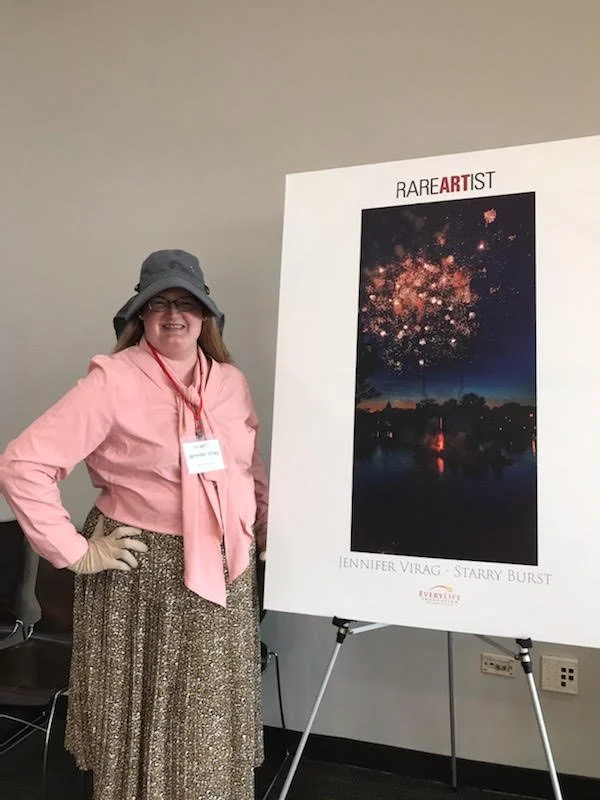
Jennifer selected as a RareArtist in 2019. “Starry Burst” photograph.
I have been incredibly fortunate. I have a supportive family and children who showed empathy and kindness during my hardest periods. I have doctors—both conventional and homeopathic—who listen, who watch out for me, and who treat me as a whole person. I have a small but meaningful circle of friends who are like family. Supportive children and family who make a profound difference,
One of those friends who owns a salon and is part of the rare community also, Ashley, does my hair. During reactions—when my skin was reacting painfully—she didn’t look away. She said, “Okay, let’s figure this out.” We adjusted lighting. We found products that kept my body calm. We worked with what my body could tolerate. She helped me feel comfortable in my own skin again.
That’s what real support looks like.
Professionally, I’ve learned how to advocate for accommodations. I’m fortunate to be in a job now where my workplace and supervisors are supportive and understanding—but it wasn’t always that way. There were times when I was expected to keep up in a world that wasn’t built for bodies like mine, and that was incredibly hard.
Today, I manage my condition intentionally. I wear hats. I cover up. I choose clothing carefully. I limit exposure where I can. I listen to my body. If I feel a reaction coming, I ask myself: What can I control right now?
Reactions can still happen—but preparation gives me safety, agency, and peace of mind.
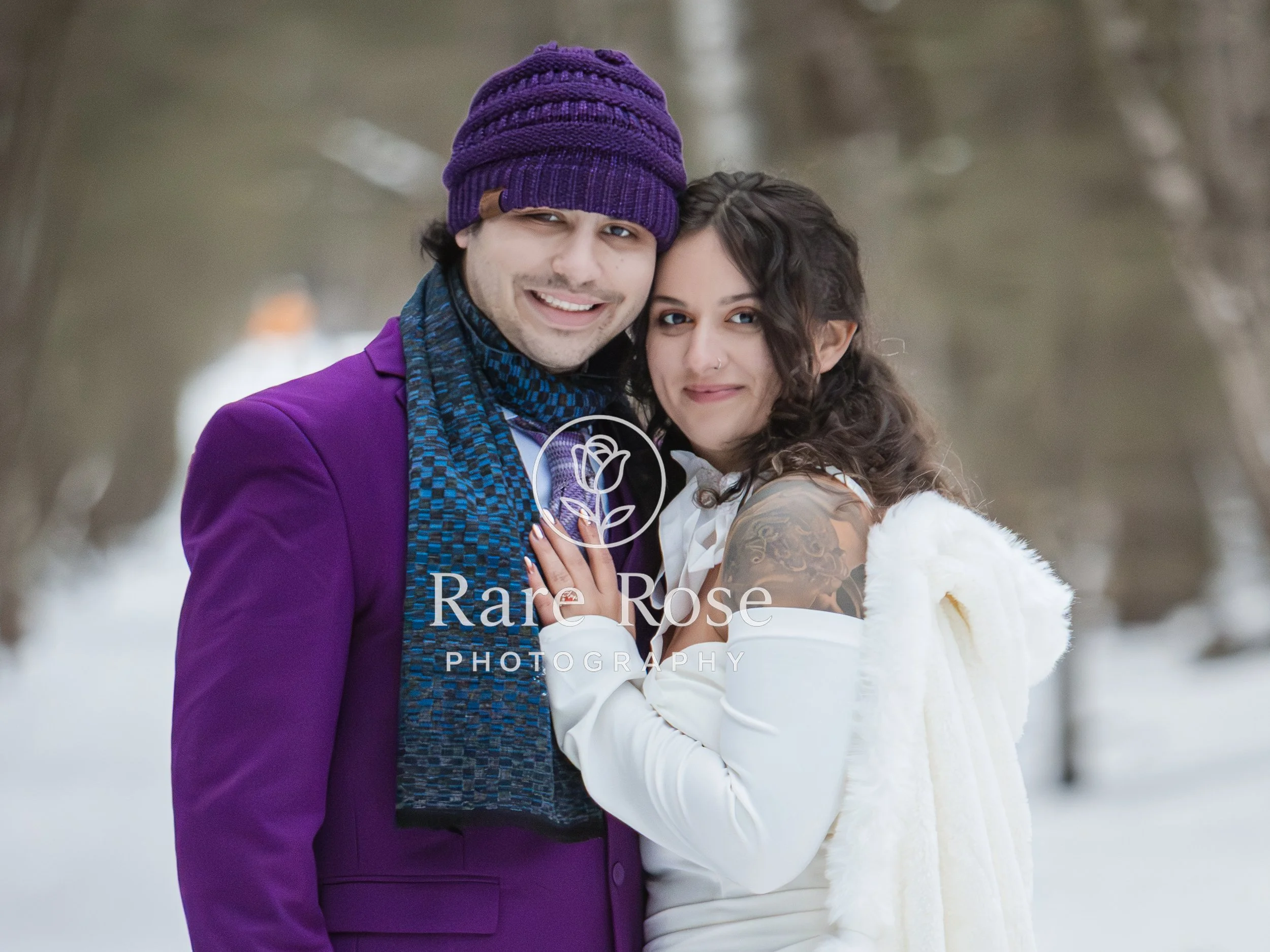
One of Jennifer’s photographs.
During COVID, when the world shut down and people were isolated in their homes, something unexpected happened. I was already used to masking and adapting. I photographed nature. I helped families who needed yearbook photos. I shared my art online—quietly and consistently.
Strangers reached out to me.
They told me my photos helped them feel like they were seeing the world again.
That my work brought beauty into a moment of isolation.
That experience reinforced something I’ve always felt deeply: I have a strong desire to share what I see with others. To bring people with me—through art—to places and moments they might not otherwise experience.
I’m also a member of a professional photographers’ community, and I eventually turned my photography into an LLC. That step was both humbling and empowering. Photography has allowed me to meet incredible people, work with amazing clients, and experience things I never imagined I would. I truly love my clients, and knowing that my work becomes part of their lives and memories is something I never take lightly.
Photography has given me opportunities I never believed I could have. It has brought me back to life in many ways. And in a very real sense, it’s a generational gift—my grandfather was a professional photographer too. Picking up a camera felt like finding my way back to something that had always been part of me.
Looking ahead, my hope is to continue photography part-time alongside my regular work—to travel, to see new places, to keep creating, and to keep giving back in the best way I know how: through photography. I want to keep sharing a piece of what has brought me healing, connection, and purpose.
Living with porphyria has taught me this:
Struggling does not mean weakness.
Living differently does not mean being broken.
And no one should have to navigate rare disease alone.
“I share my story not to glamorize illness, but to tell the truth—light, shadow, and all. If my experience helps even one person feel understood, less isolated, or more hopeful about what’s still possible, then it matters. ”
And that’s why I keep telling it.
Jennifer’s inspiring story.
Want to share your story? Contact us at katri@porphyria.org
Meet others living with porphyria