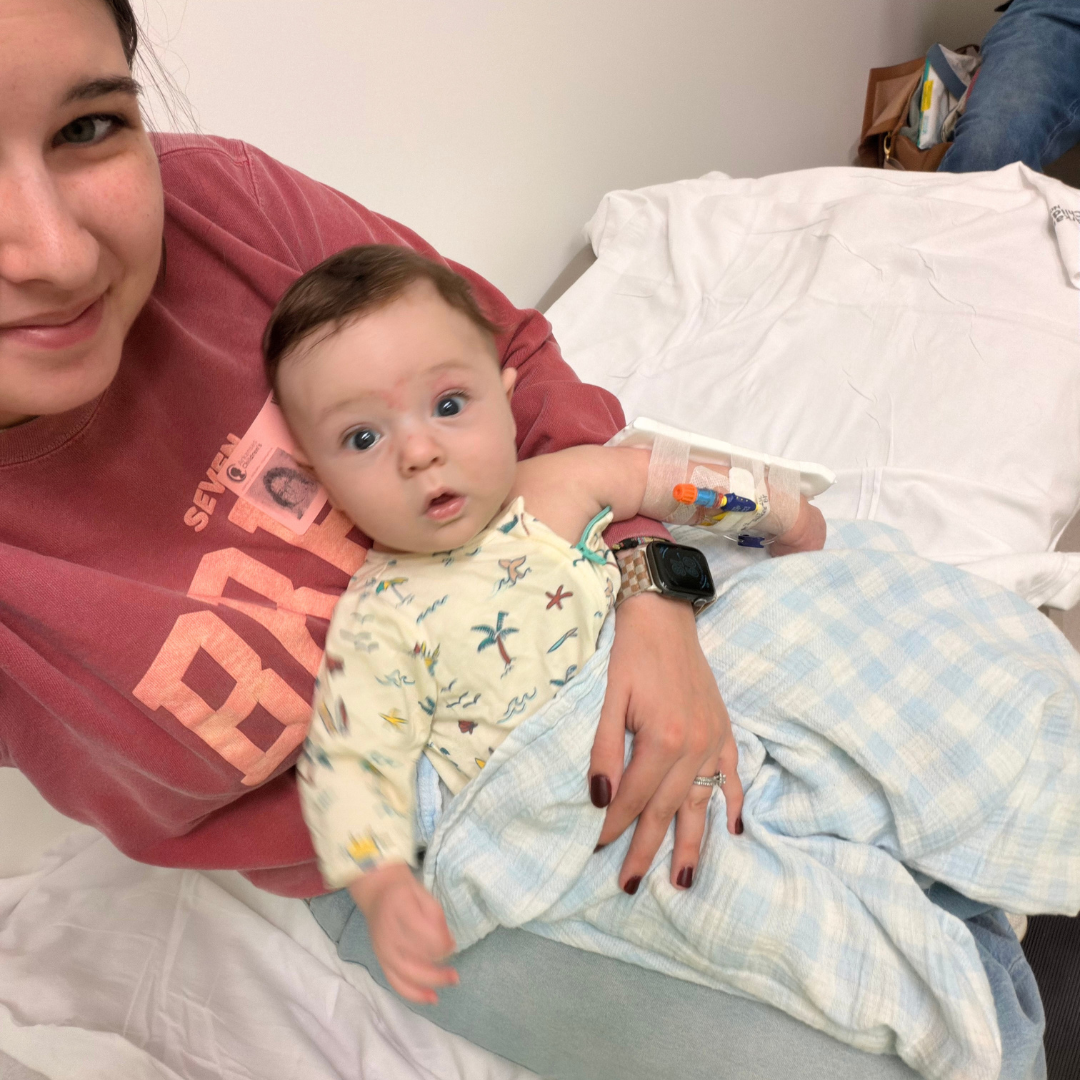
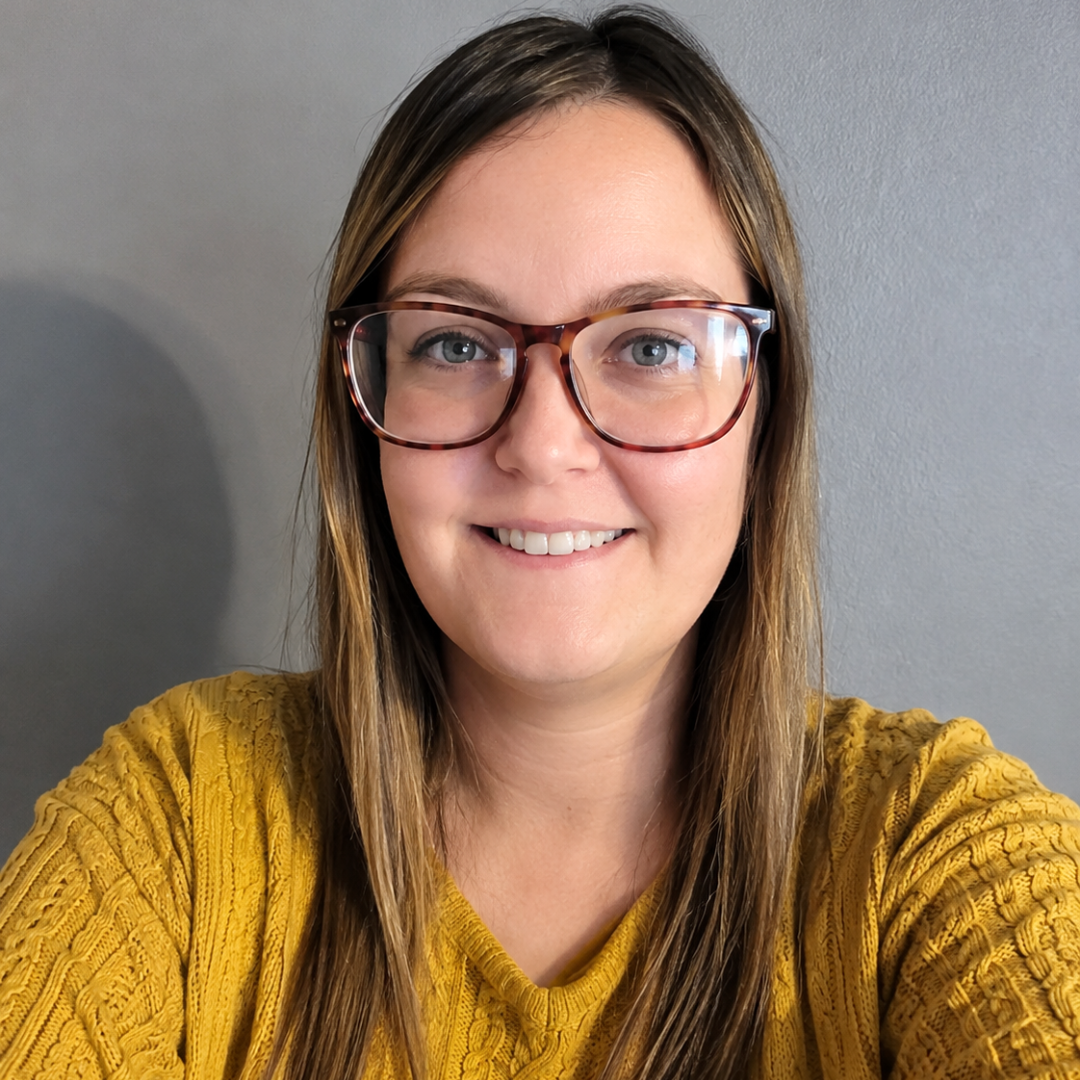
Meet Sabina, AIP warrior
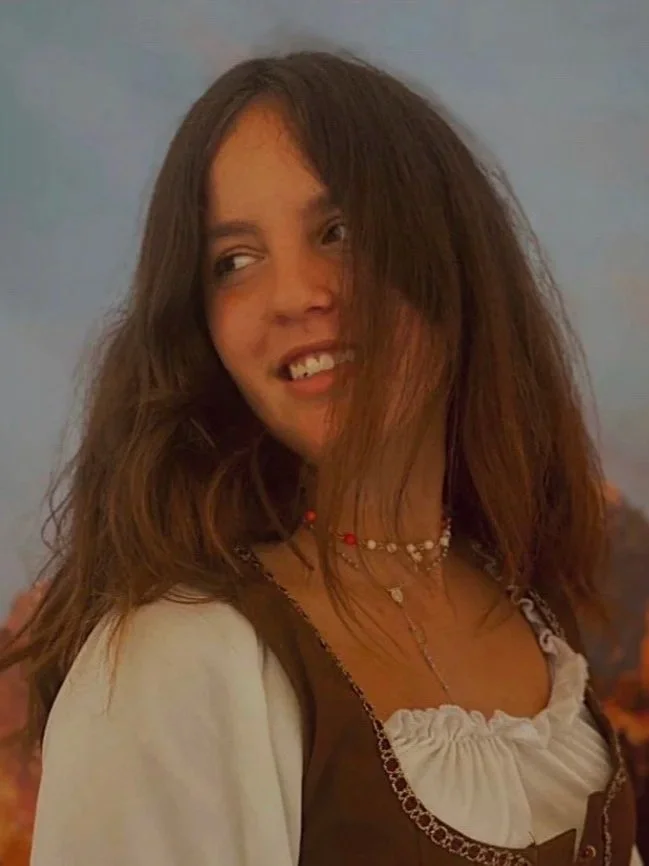
"Before my diagnosis, my entire life revolved around the fear of getting sick every month."
-Sabina, AIP patient.
My name is Sabina Da Vià, I’m 22 years old, and I’m from a small village in the Dolomites called Domegge di Cadore, in the north of Italy. I lived near Venice during my school years and later moved to Rome for university. I am currently completing my studies in Athens, Greece, while also working as a filmmaker and advertising freelancer.
In my free time, I love making videos, filming vlogs and small documentaries, writing, drawing illustrations, and sometimes singing and playing guitar. I also enjoy staying active through walking, running, tennis, cooking, and traveling.

“The pain was intense. It felt like a continuous burning sensation spreading throughout my abdomen, from my liver area to both the lower and upper parts of my stomach.”
-Sabina, AIP patient.
My symptoms began in March 2024 while I was studying abroad in Cork, Ireland during a semester exchange arranged by my university in Rome. My first attack happened toward the end of March after a night out with friends. The next morning, I started feeling extremely nauseous and experienced severe stomach pain. Since I hadn’t done anything unusual, I initially thought it was food intoxication because I had never experienced that kind of pain before.
At the time, I had missed my period for about three months, but I didn’t think much of it because my cycle had always been irregular. As soon as the first attack happened, my period returned.
The pain was intense. It felt like a continuous burning sensation spreading throughout my abdomen, from my liver area to both the lower and upper parts of my stomach. Sometimes the pain was so severe that I would writhe just to catch my breath. I also experienced sudden nausea that made it impossible to keep food down. I constantly felt weak, with aching bones, strong cramps in my legs and lower back, insomnia, anxiety, agitation, and even disturbing dreams whenever I managed to sleep. My urine also turned red or orange despite trying to stay hydrated.
These attacks would last around four or five days during the luteal phase of my menstrual cycle and would gradually disappear once my period began. This pattern continued every month from March 2024 until I finally received my diagnosis and treatment at the end of August 2025.
Getting diagnosed was the hardest part of the journey. In Ireland, after two days of worsening symptoms that didn’t improve with medication, I went to the emergency room. After several exams and long waiting hours, I was told it was probably food intoxication or constipation and was advised to change my diet. Even though I knew something was wrong, nothing appeared abnormal in my tests.
While I was still in Ireland, I returned to the emergency room two more times. A nurse eventually noticed the connection between my symptoms and my menstrual cycle and suggested I see a gynecologist.
Back in Italy, I continued having monthly attacks. Throughout the summer, I kept working while trying to manage my symptoms, often making up for missed workdays. I visited multiple emergency rooms in Jesolo and San Donà di Piave, underwent CT scans and additional testing, but doctors continued blaming stress, diet, menstrual pain, or anxiety.
The repeated dismissals were incredibly frustrating. I had never experienced anything like this before and I knew deep down that something was seriously wrong.
Finally, in spring 2025, my gynecologist noticed abnormal hormone levels and referred me to an endocrinologist. After additional testing, Acute Intermittent Porphyria (AIP) was suggested for the first time.
I was then referred to specialists at the Ospedale Universitario di Padova, where Dr. Annamaria Nicolli and Dr. Carlo Poci guided me through the correct tests. By July 2025, both biological and genetic testing confirmed the diagnosis: Acute Intermittent Porphyria.
I began hemin intravenous therapy in August 2025.
My last major crisis happened in December 2025 after a severe flu triggered another attack. I was hospitalized for a week and began treatment. Since I am currently studying in Athens, I now travel back to Italy every month for treatment, though I hope it will soon become available in Greece as well.
Before my diagnosis, my entire life revolved around the fear of getting sick every month. Even during the weeks when I felt well, I had to constantly monitor stress, food, sleep, and energy levels. I often had to skip events, miss work or school, and decline opportunities because I never knew when another attack would come.
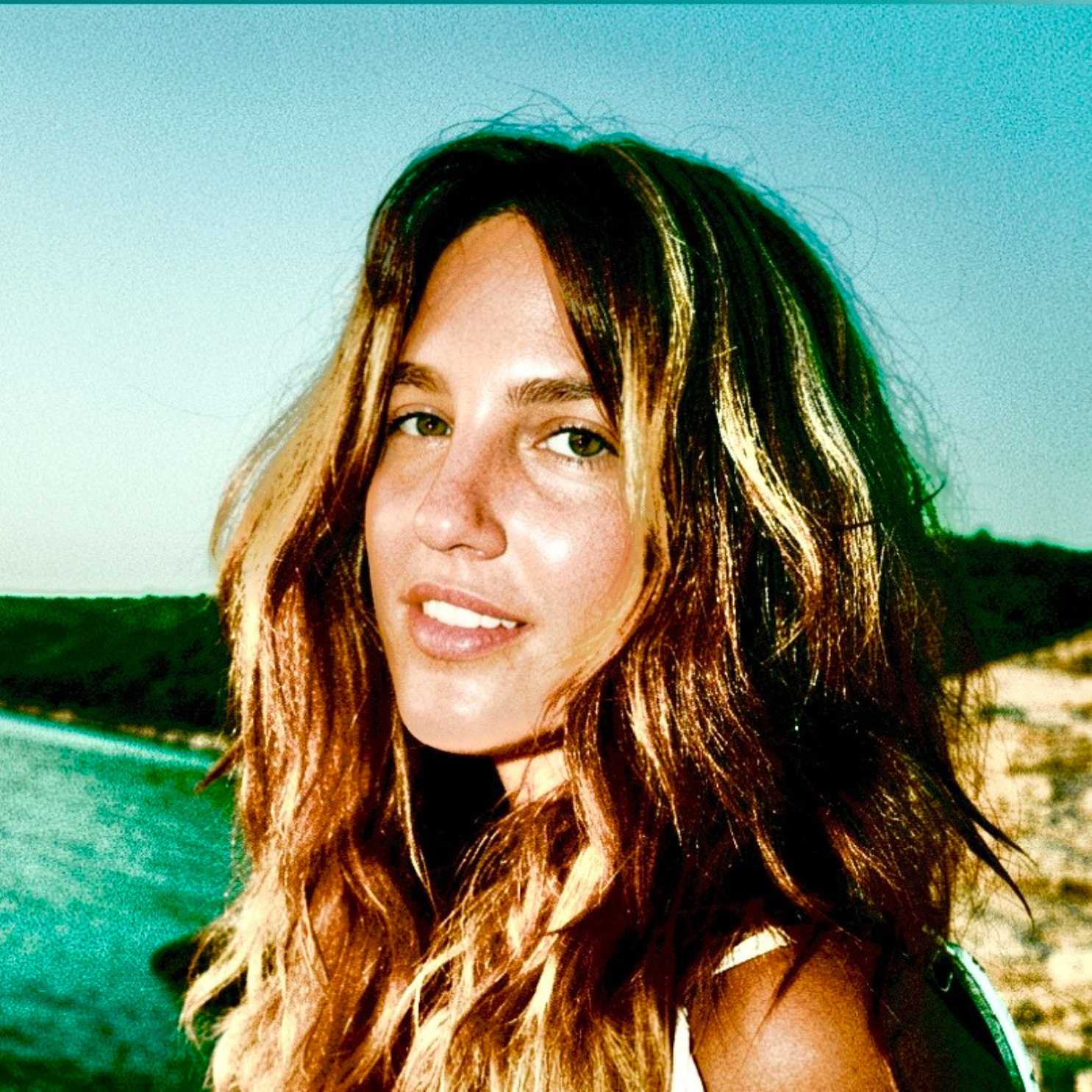
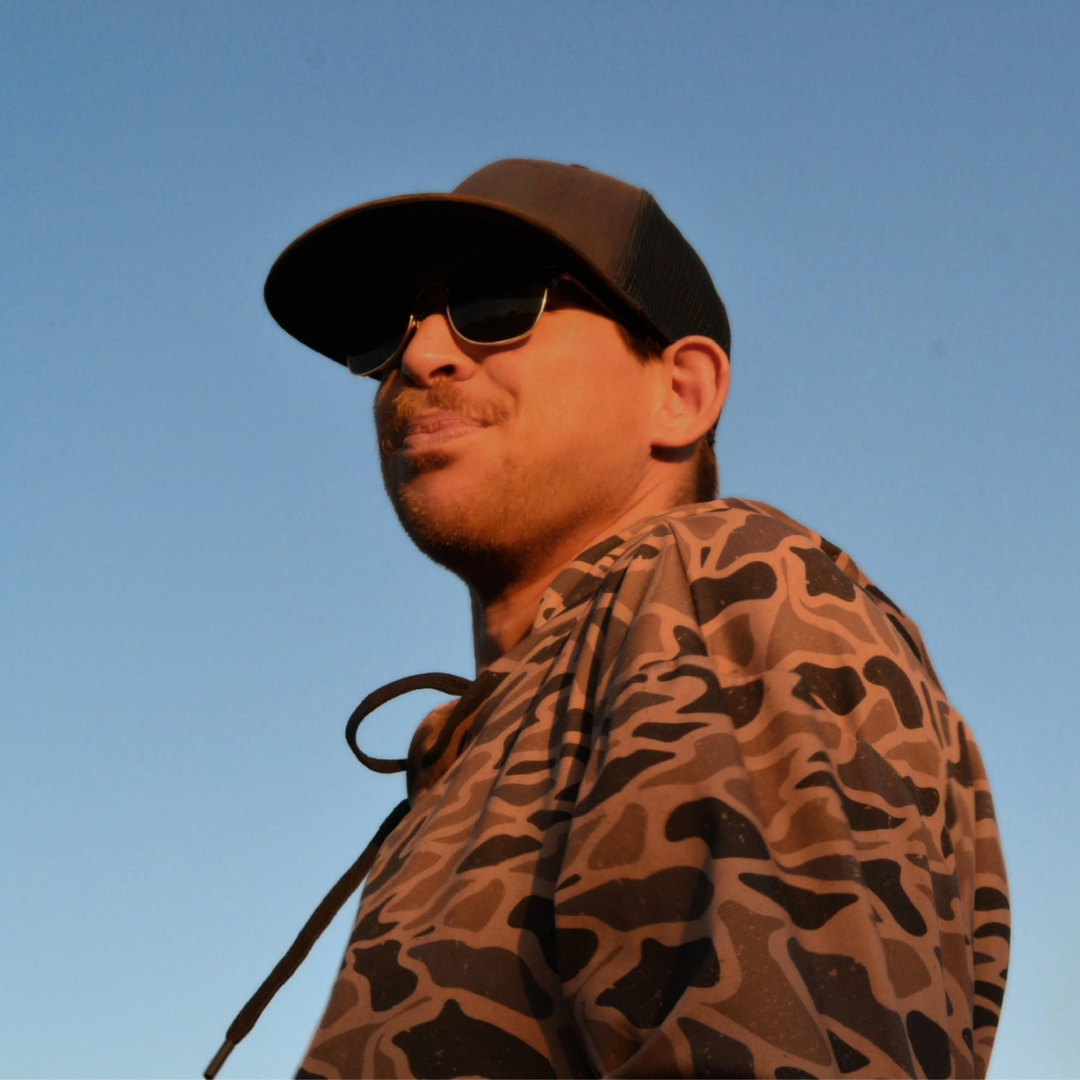
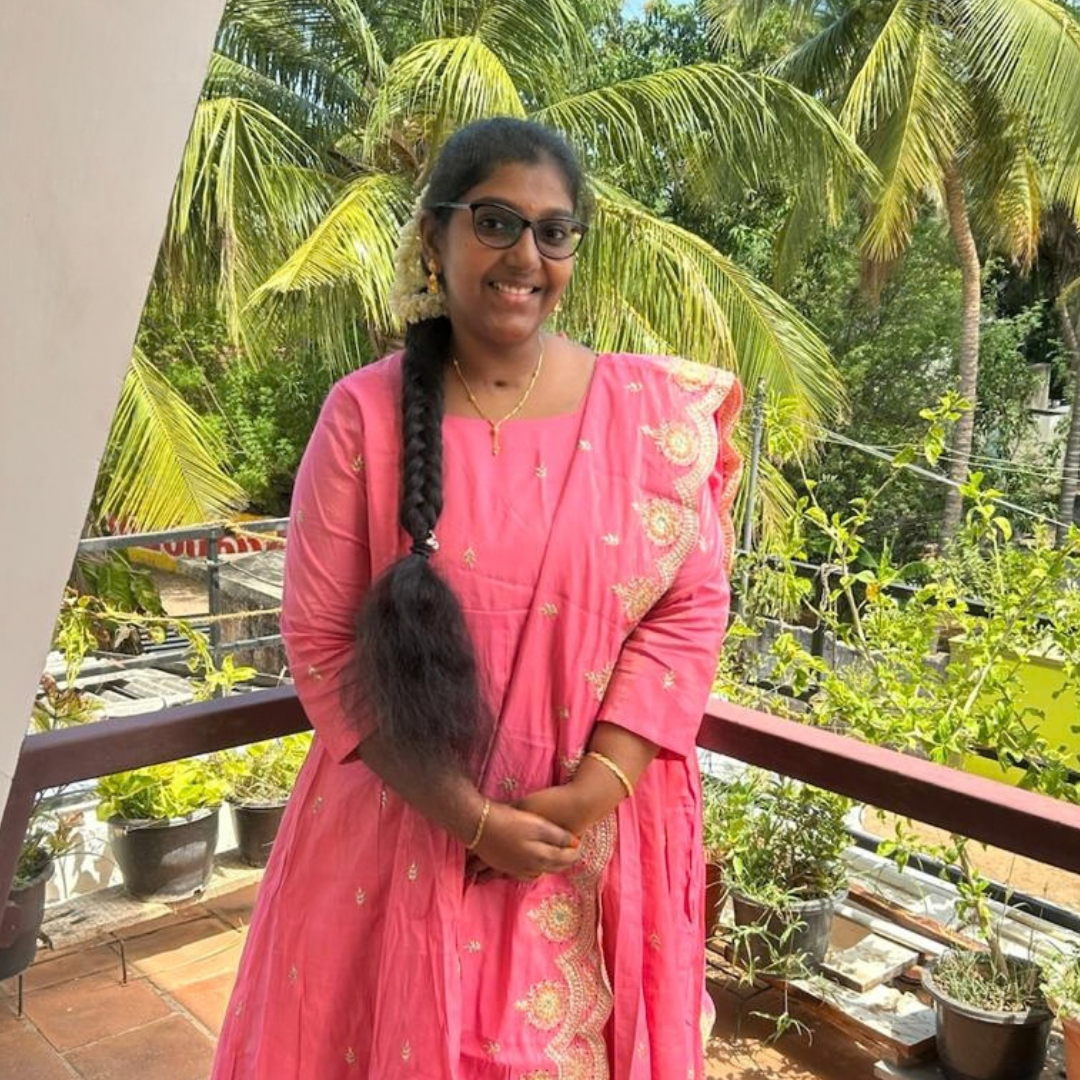
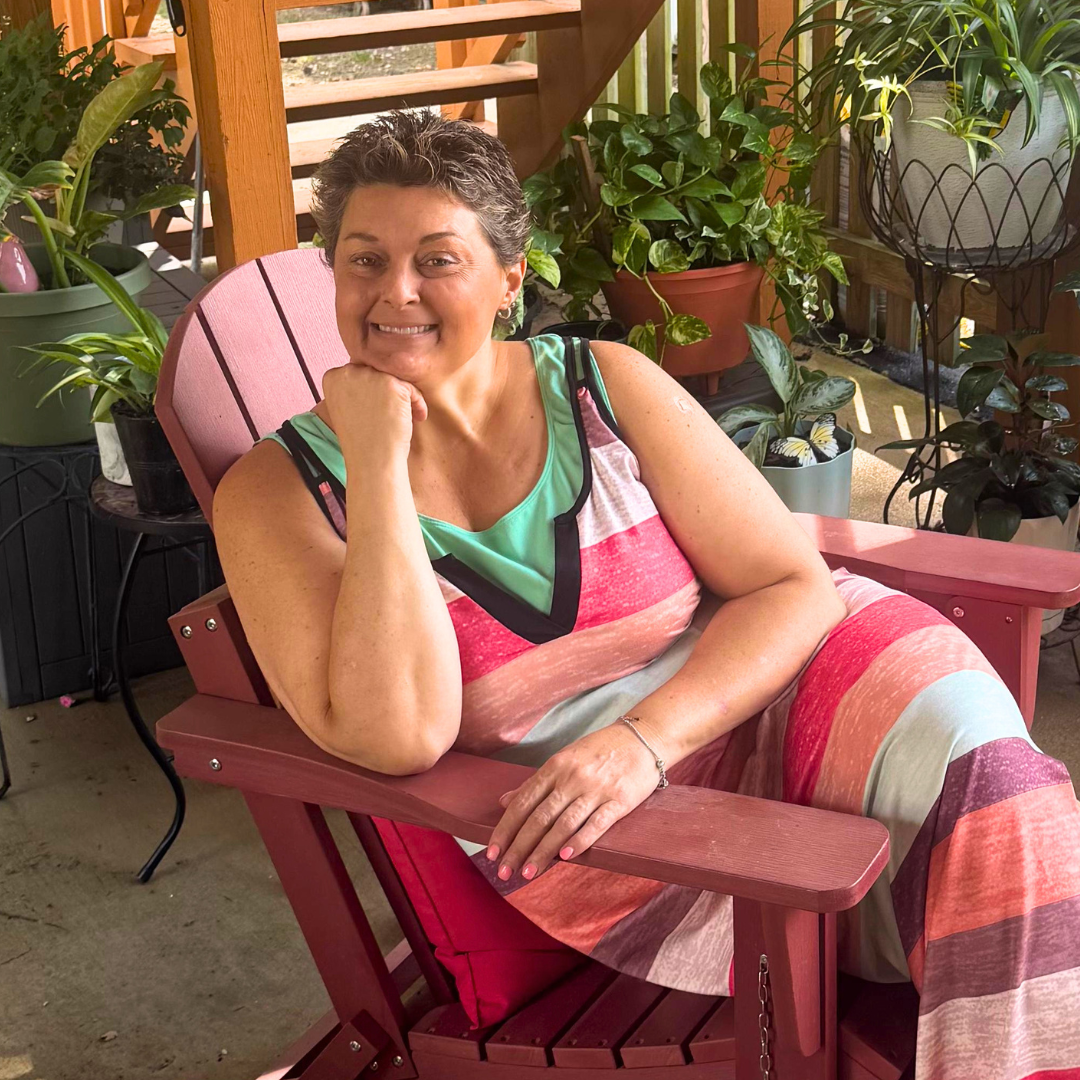
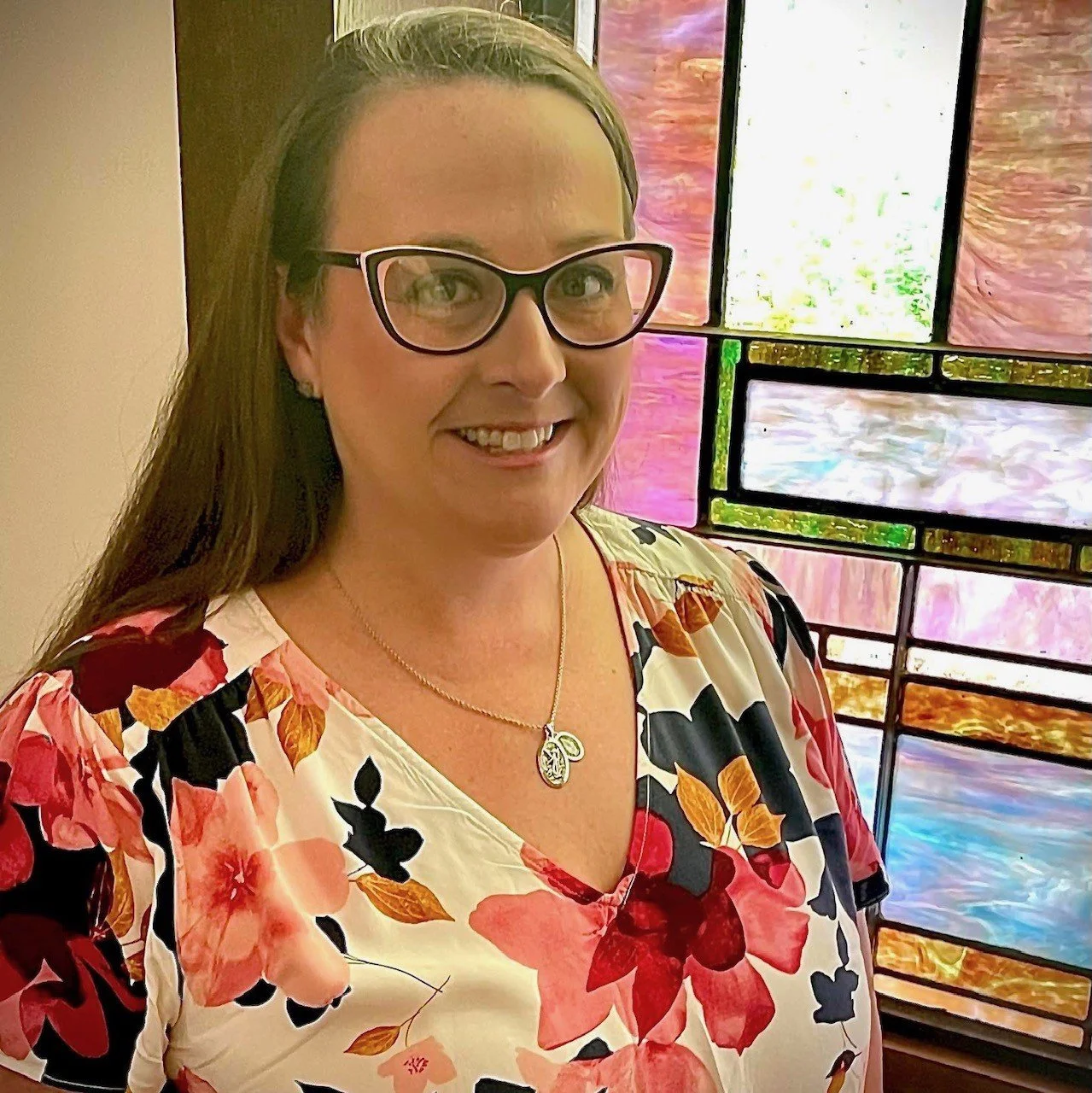
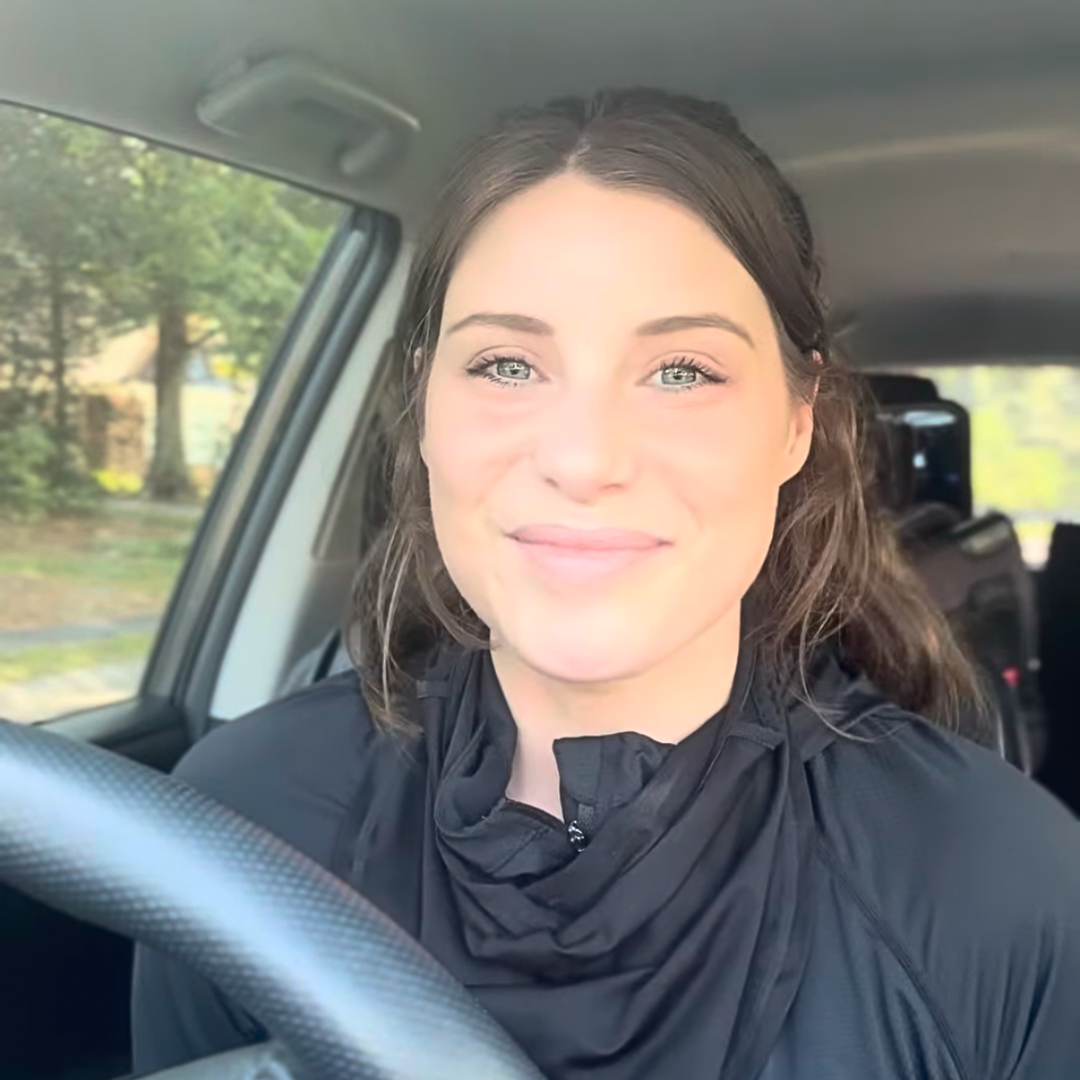
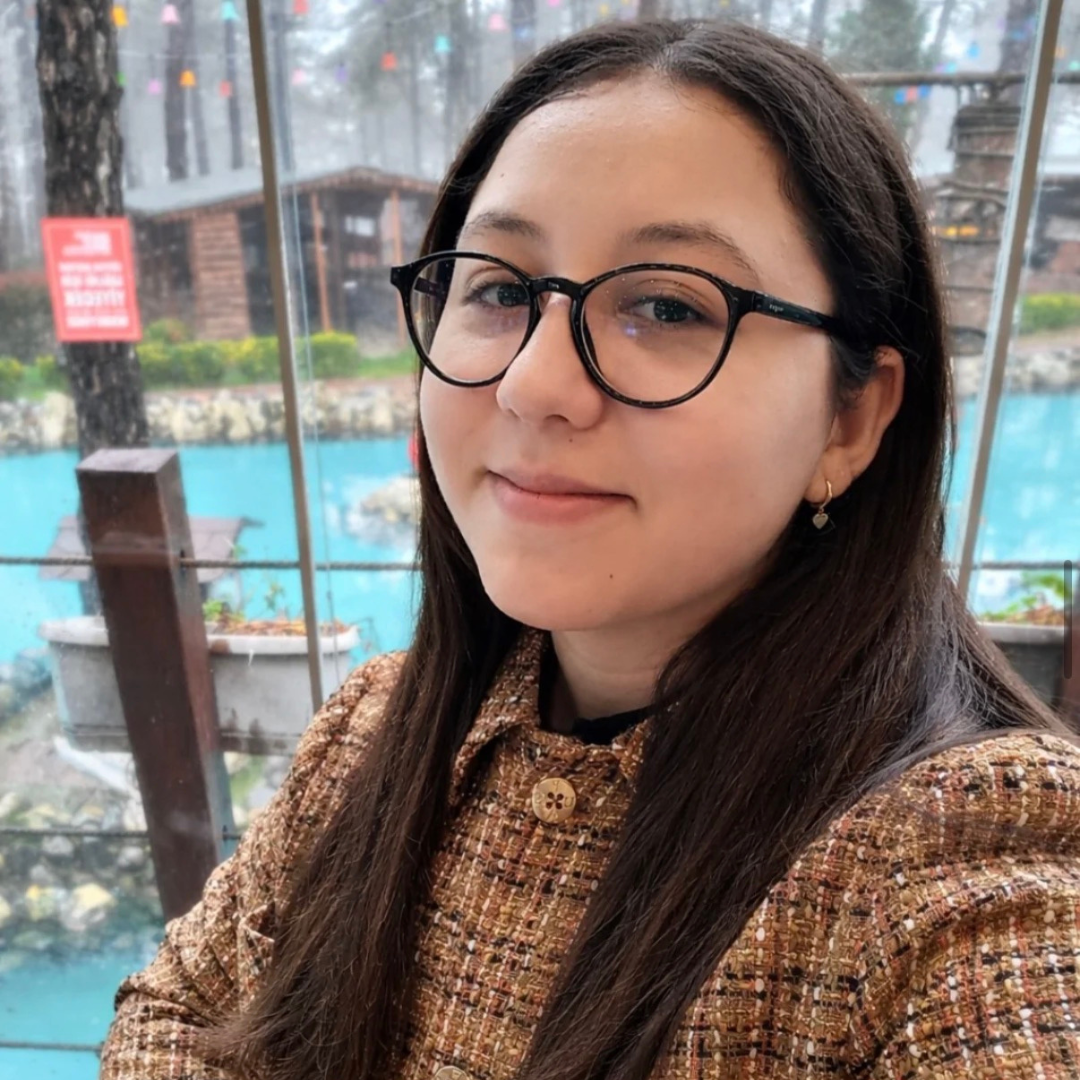
Sabina enjoying life.
Today, having a diagnosis has made things easier to explain, even if many people still don’t understand what porphyria is. I’ve adapted my lifestyle by prioritizing regular meals, rest, exercise, and carefully checking medications. I’ve also significantly reduced alcohol consumption and learned how important consistency and self-care are.
The hardest part of this journey was being told over and over again that I was fine when I knew something was wrong. It made me doubt myself and feel like I was going insane. Receiving a diagnosis was both relieving and frightening at the same time. It confirmed that I wasn’t imagining things, but it also meant confronting a lifelong condition.
What gives me strength is knowing that my family, my boyfriend, my friends, and my doctors are there for me. Their support has made an enormous difference, especially during the hardest moments.
This experience has taught me that even strong people sometimes need help, and that’s okay. Most importantly, I’ve learned that this condition does not define me. I can still pursue my dreams, continue growing in my career, travel, and build the life I want, even if I need to adapt along the way.
“I hope awareness of AIP continues to grow so that people, especially women whose symptoms are often dismissed as stress or menstrual pain, can receive faster diagnoses and better care.”
And to anyone newly diagnosed: you are not alone. A full life is still possible.
Sabina’s inspiring story.
Want to share your story? Contact us at katri@porphyria.org
Meet others living with porphyria