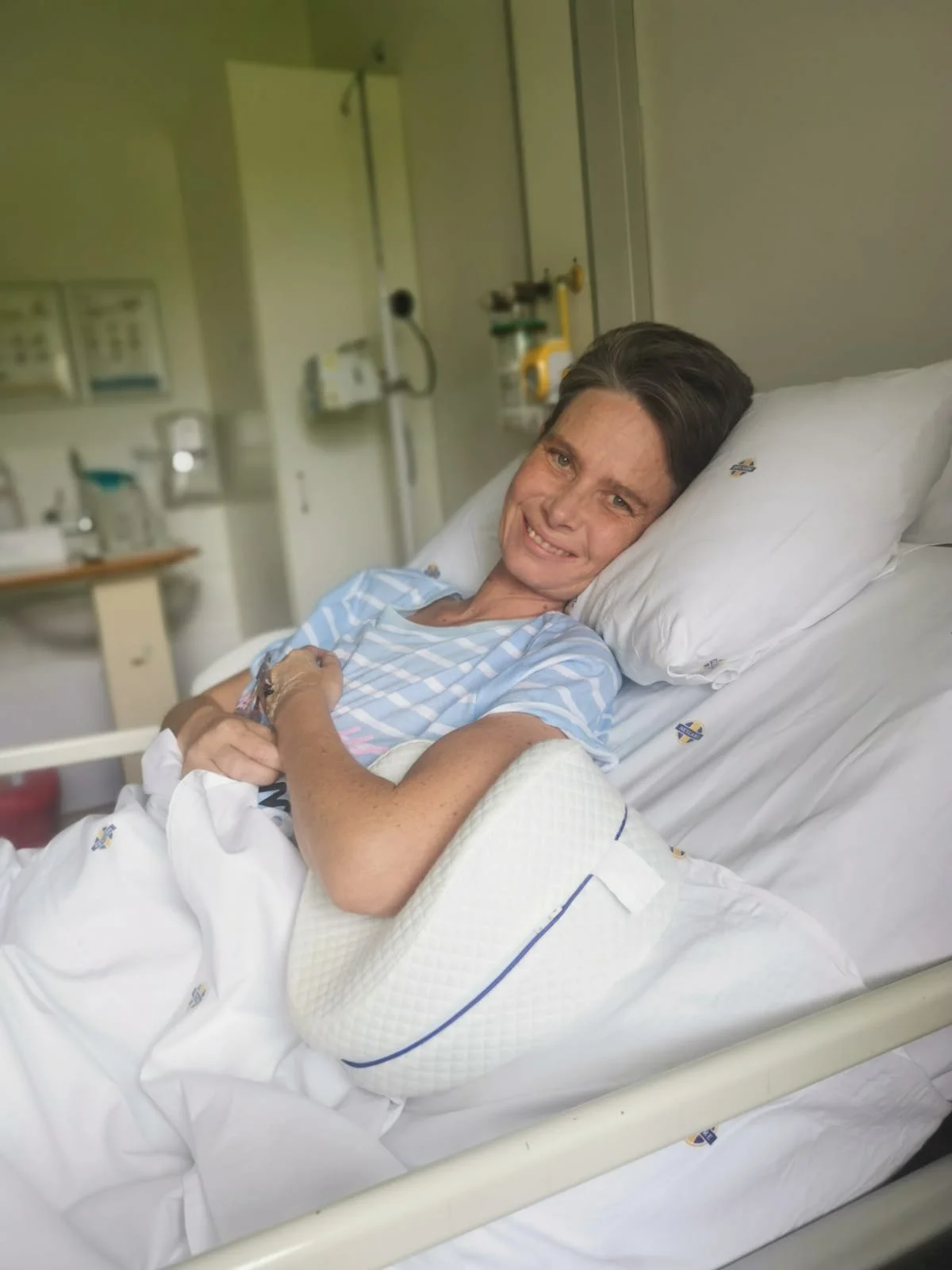
“It started suddenly when I had a seizure at work. I went to my GP and was diagnosed with epilepsy.”
Keshia, VP patient.
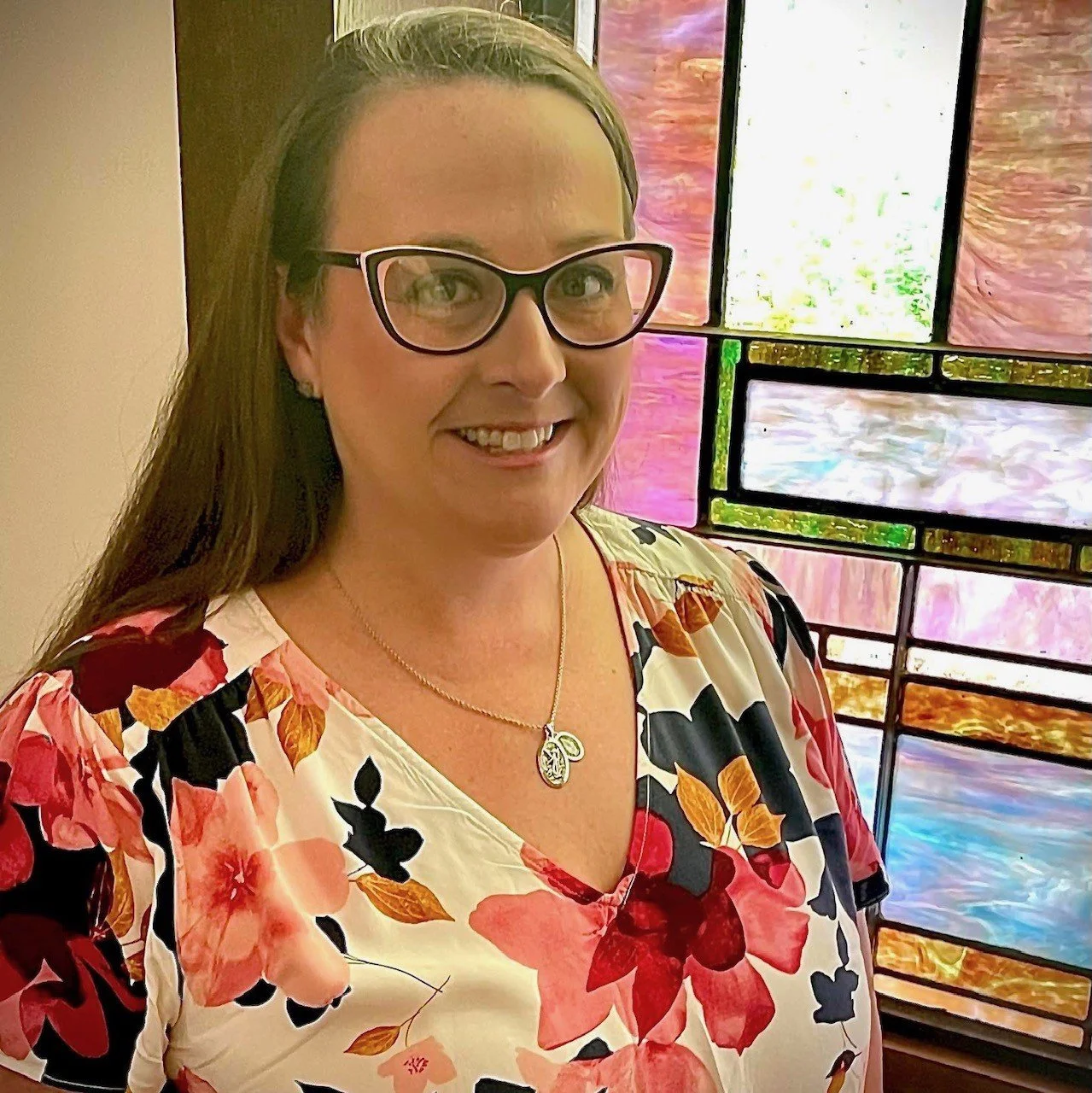
My name is Keshia Le Roux. I am 39 years old and I live in Gauteng, South Africa.
In my free time, I enjoy spending quality time with my family and relaxing with a good movie or series. Looking back, I believe the signs were there for a few years, but I never experienced a severe episode—until November 2025.
It started suddenly when I had a seizure at work. I went to my GP and was diagnosed with epilepsy. I was started on epilepsy medication immediately, but from the moment I took it, I felt extremely unwell. I was constantly exhausted and could barely stay awake.
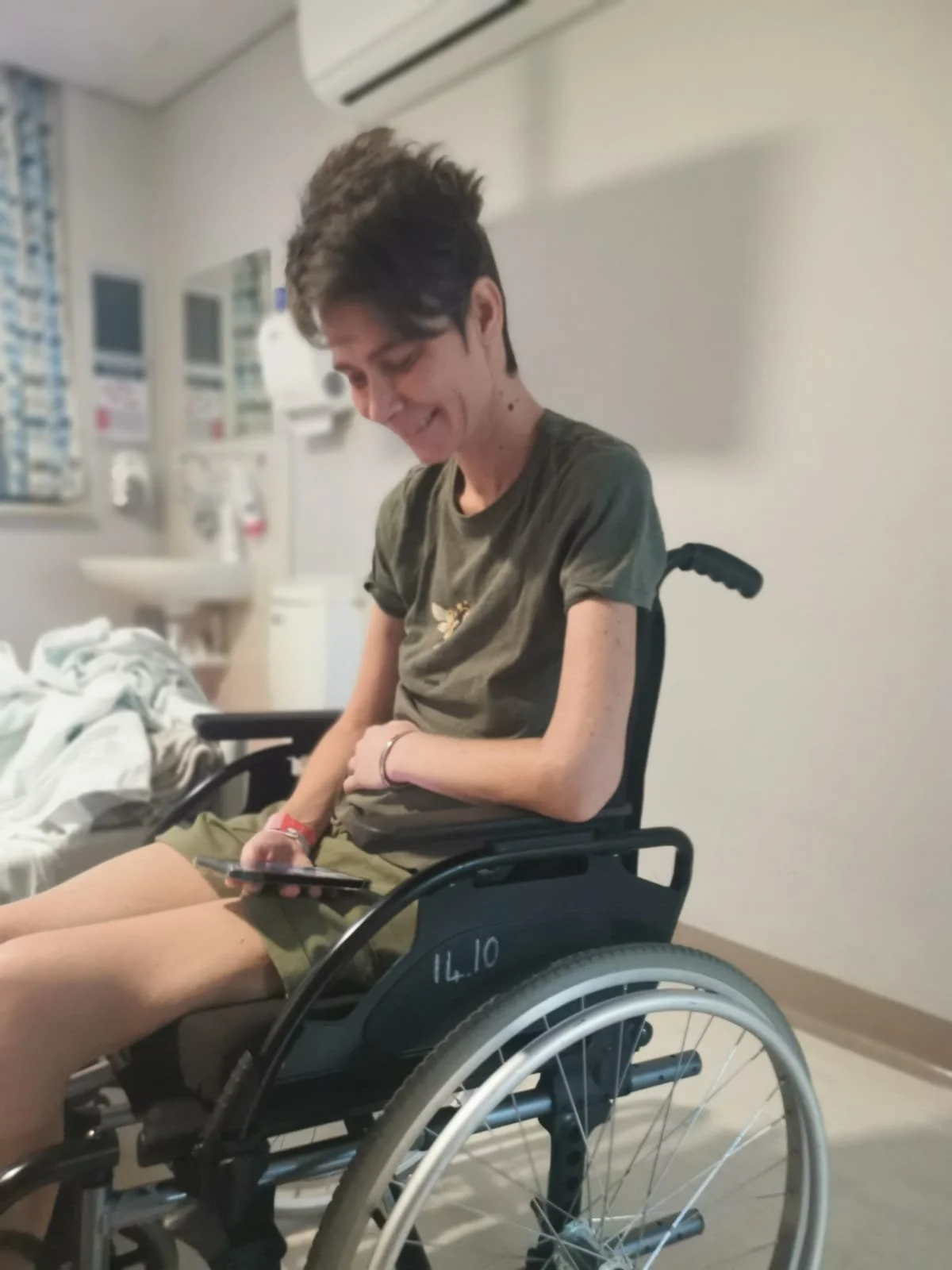
“Doctors suspected an emergency and removed my appendix—but it turned out to be unnecessary.”
Keshia, VP patient.
About a week later, I developed severe stomach pain. Doctors suspected an emergency and removed my appendix—but it turned out to be unnecessary. Shortly after, I had another major seizure and was admitted again for epilepsy treatment. Despite everything, I continued to feel worse.
I eventually sought a second opinion, and this time doctors discovered that my potassium levels were dangerously low. I was admitted to hospital again. During this time, I started struggling to walk. I was told it was due to the low potassium and that my strength would return as my levels improved.
On the day I was discharged, I developed a rash on my feet and knees. Again, I was reassured it was nothing serious. But once I got home, my condition rapidly declined. I felt like my body was slowly becoming paralyzed. My urine turned red to purple, my blood pressure spiked, and my heart rate went above 150 beats per minute. I was rushed back to the emergency room. This time, I insisted that the epilepsy medication was making me worse.
By then, I could barely move. The doctors finally listened and immediately stopped the medication. By that stage, I was paralyzed from the neck down. Then came the hallucinations. I experienced things that felt completely real—I believed I had lost a baby, that I got married, and I saw my father and grandparents who had already passed away. It was terrifying, not just for me, but for my family too.
At one point, my family was even told that there was nothing medically wrong with me. Eventually, I was given plasma, and slowly, the hallucinations stopped. I began to feel like myself again.
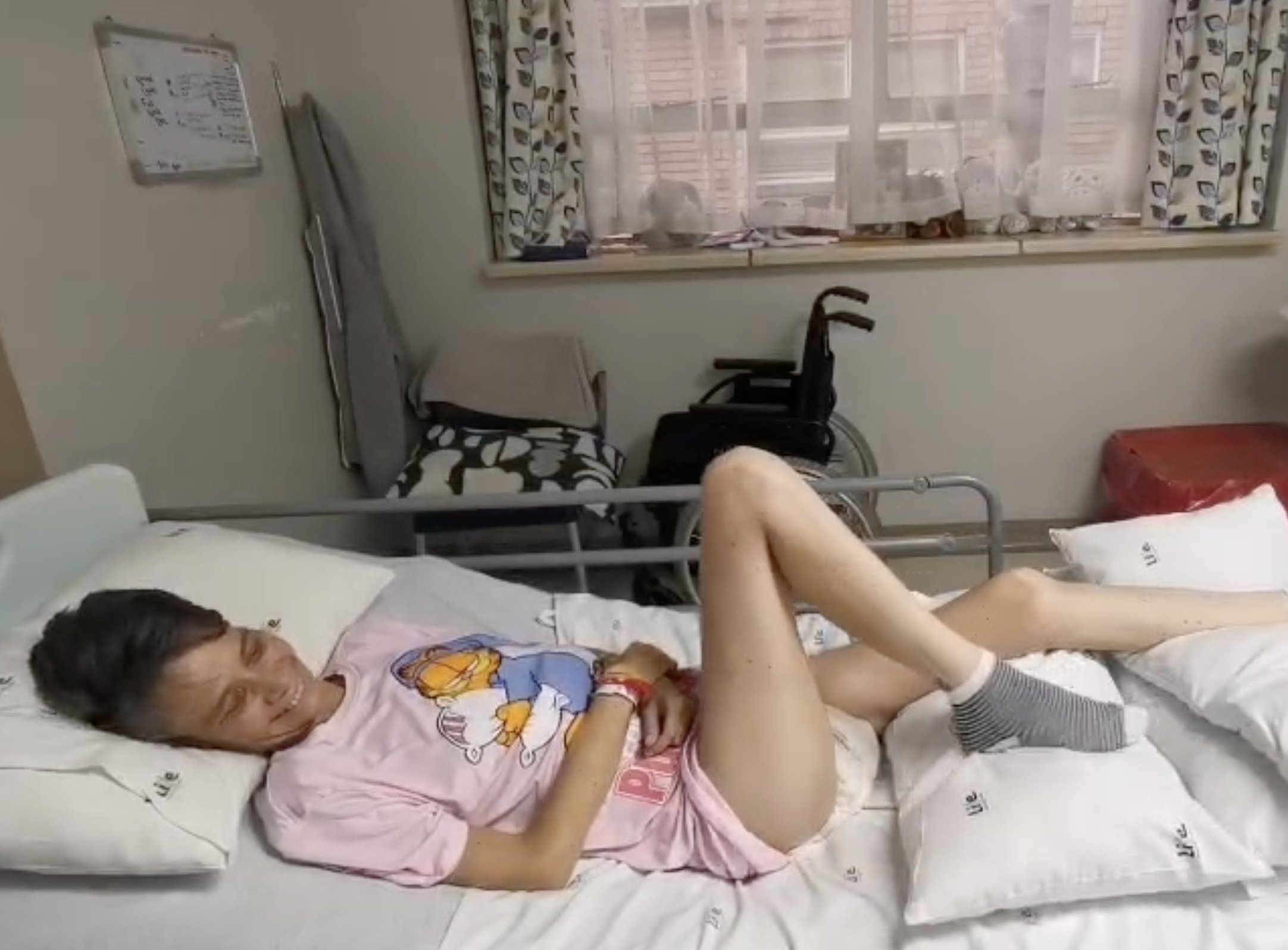
Keshia paralyzed.
I started physiotherapy in hospital and was later discharged to a rehabilitation facility with a diagnosis of Guillain-Barré Syndrome (GBS). But two weeks into rehab, everything changed. My GP wanted confirmation of my diagnosis and called in a neurologist. Almost immediately, he said it was not GBS—it was variegate porphyria.
After multiple tests—urine, blood, stool, and a lumbar puncture—the results came back highly positive for porphyria. A week later, I finally received my heme infusions. That’s when things started to turn around. I began regaining my strength and made rapid progress in rehab. By the first week of March, I was discharged home.
My recovery journey continues every day. After losing a significant amount of weight, I am now slowly gaining it back—between 0.5 kg to 1 kg per week. I’m moving more easily, and each day I become more independent.
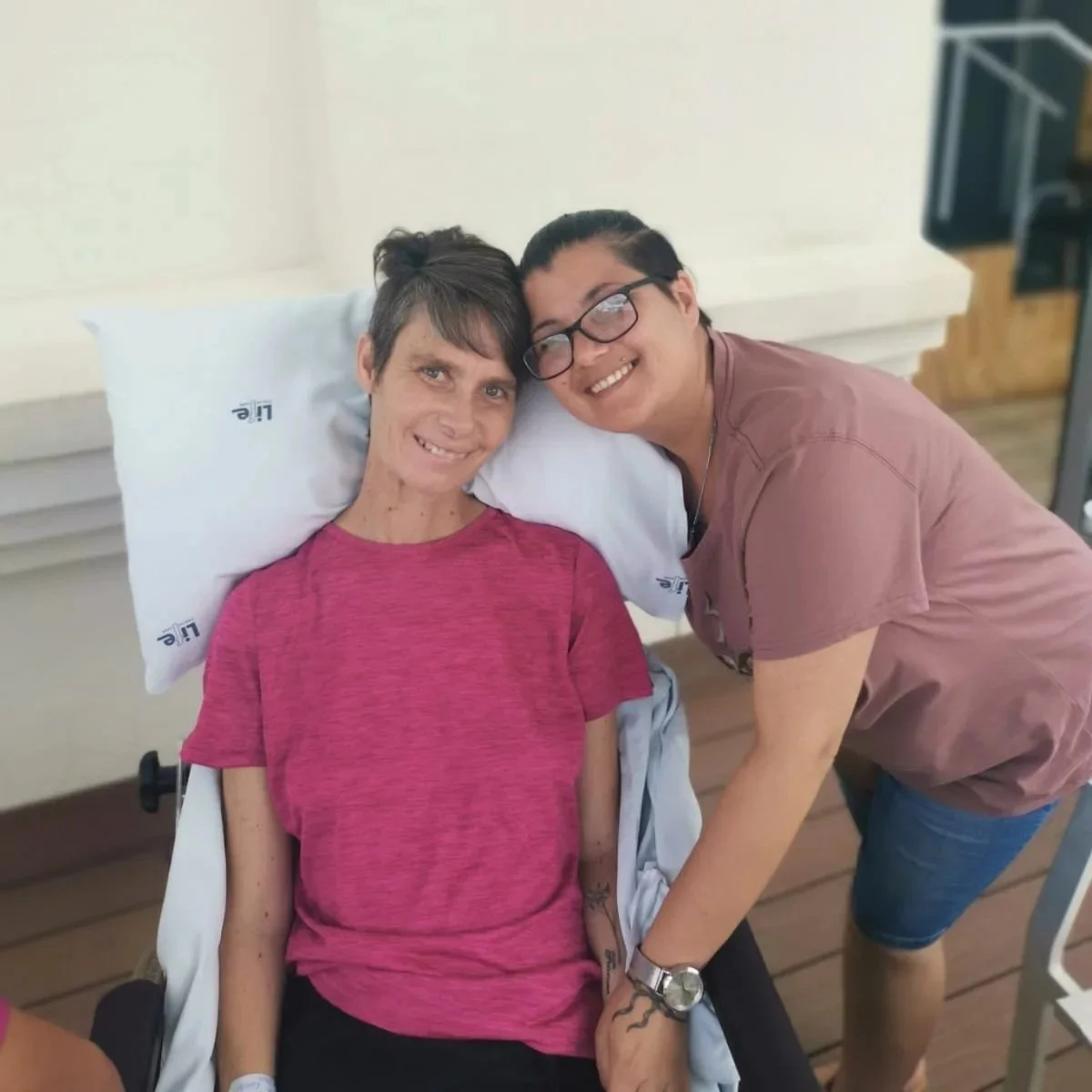
Keshia and her family.
Living with porphyria has completely changed my life. I now avoid all possible triggers. Life has become more cautious, more planned. There are emotional days where I feel frustrated and grieve the things I used to do so easily.
Some of the biggest challenges are: knowing what is safe and what isn’t, finding doctors who understand porphyria, getting the right treatment approved by medical aid, and managing the high cost of medication.
“We can still live happy and meaningful lives. There is support out there, and you are not alone in this journey.”
My strength comes from God, my family, and my friends. Their love and support gave me something to fight for. Without them, this journey would have been much harder.
If you have just been diagnosed with porphyria—please don’t give up. We can still live happy and meaningful lives. There is support out there, and you are not alone in this journey.
What gives me hope is seeing others recover. I hold on to the belief that soon I won’t need a caregiver… Soon I will drive again… Soon I will regain my independence.
And I will keep fighting until I get there.
Keshia’s story with VP.
Want to share your story? Contact us at katri@porphyria.org
Meet others living with porphyria